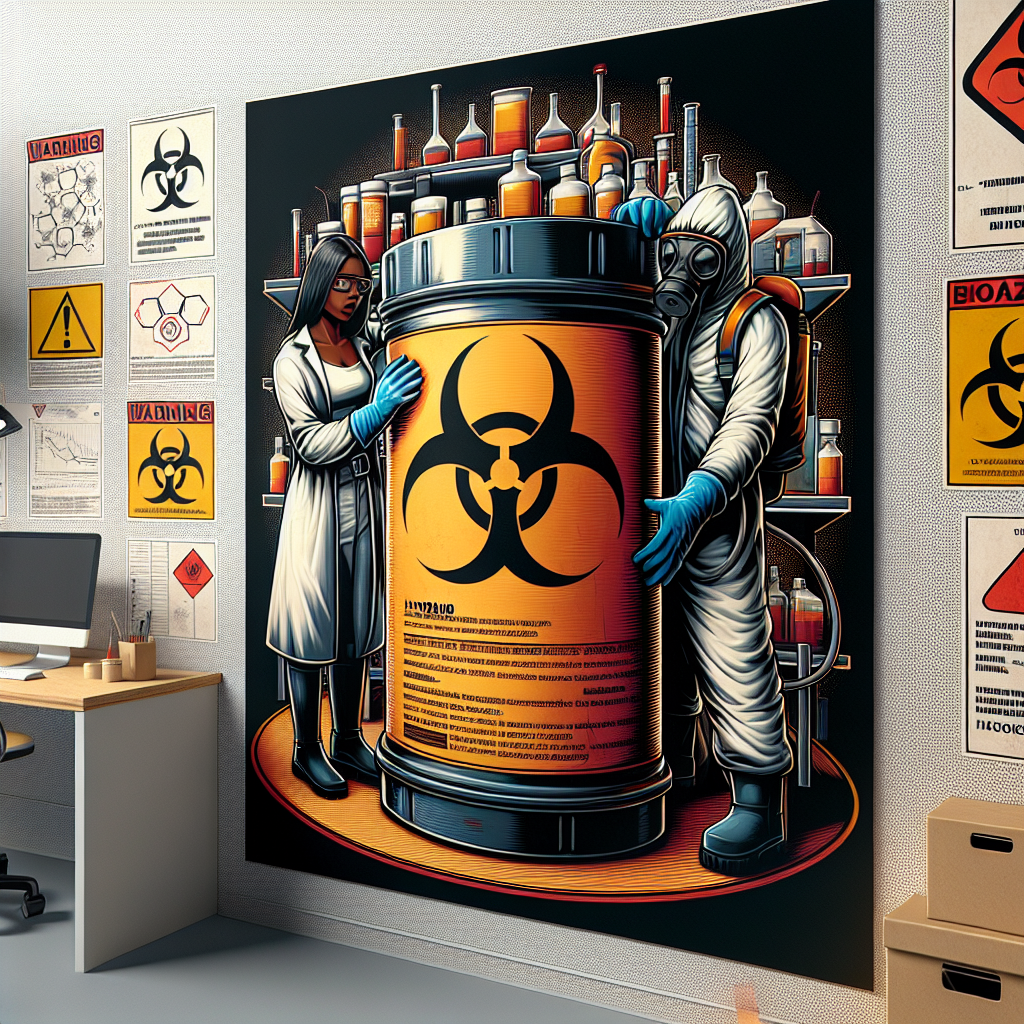
Hydrazine Dangers: Must-Know Toxicity Risks Revealed
Hydrazine dangers are a critical concern that cannot be overstated. This colorless, flammable liquid with a pungent ammonia-like odor poses serious hazards, particularly in industrial environments. Understanding the potential risks associated with hydrazine is crucial for ensuring safety and preventing accidents.
What is Hydrazine?
To fully grasp the scope of hydrazine dangers, it’s essential to first understand what hydrazine is. Hydrazine is a chemical compound primarily used as a rocket propellant and in various industrial applications, including water treatment, pharmaceuticals, and agricultural chemicals. Despite its widespread use, its reactive nature entails significant risks.
The Toxicity of Hydrazine
Chemical Properties Leading to Toxicity
Hydrazine is known for its volatility and high reactivity. When exposed to air, it can decompose and form nitrogen gas and ammonia. This degradation is part of what makes hydrazine highly toxic. Contact with hydrazine can lead to severe health issues, making its handling and storage crucially important.
Health Risks Associated with Hydrazine
Exposure to hydrazine can occur through inhalation, skin contact, or ingestion. Its toxicity can affect the human body in various ways:
1. Respiratory System: Inhalation of hydrazine fumes can irritate the respiratory tract, leading to coughing, shortness of breath, and in severe cases, pulmonary edema.
2. Skin and Eyes: Direct contact with hydrazine can cause skin burns, redness, and irritation. It can also severely irritate the eyes and may cause permanent damage without immediate care.
3. Neurological Effects: Prolonged exposure to hydrazine has been linked to neurological symptoms such as headaches, dizziness, and seizures.
4. Carcinogenic Potential: The International Agency for Research on Cancer (IARC) classifies hydrazine as a potential human carcinogen, highlighting the long-term risks of exposure.
Hydrazine Dangers in the Workplace
Industrial Uses and Exposure Risks
Hydrazine is utilized in industries like aerospace, pharmaceuticals, and agriculture, each presenting unique exposure risks. In these settings, without proper safety protocols, employees may be exposed to dangerous levels of hydrazine vapors, which can have serious health implications.
Safety Measures and Regulations
To mitigate hydrazine dangers, several safety measures and regulations are in place. Employers must adhere to Occupational Safety and Health Administration (OSHA) guidelines, which stipulate exposure limits and require the use of personal protective equipment (PPE). Moreover, regular air quality monitoring and employee training on handling chemicals safely are critical for workplace safety.
Environmental Impact of Hydrazine
Accidental Releases and Their Consequences
Hydrazine spills and accidental releases can have dire environmental effects. It contaminates water bodies, posing a threat to aquatic life. Moreover, it breaks down into toxic byproducts that can further stress ecosystems.
Long-Term Environmental Risks
The persistence of hydrazine in the environment contributes to its long-term ecological impact. It can leach into groundwater, affecting both human and animal populations. Mitigating these risks requires strict regulatory oversight and emergency response planning.
Handling Hydrazine Safely
Personal Protective Equipment
Wearing appropriate PPE is one of the most effective ways to minimize exposure. This includes gloves, goggles, and respiratory protection, especially in areas where hydrazine vapor levels may exceed safe limits.
Proper Storage and Labeling
Hydrazine should be stored in secure, labeled containers. Proper labeling is crucial for preventing accidental exposure, while fire-resistant storage solutions can help mitigate the risk due to its flammable nature.
Emergency Response Procedures
Having a clear emergency response plan is essential in environments where hydrazine is present. This includes procedures for spills, evacuation routes, and first aid measures to ensure safety until professional medical care can be provided.
Advances in Hydrazine Alternatives
Sustainable and Safer Options
The ongoing search for safer alternatives to hydrazine is driven by both safety concerns and environmental considerations. Researchers are developing compounds that offer similar functionality without the associated risks. Innovations in this arena not only improve safety but also enhance sustainability practices in industries reliant on hydrazine.
The Role of Innovation in Mitigating Hydrazine Dangers
Continued research and innovation play a pivotal role in reducing dependency on hydrazine. By focusing on the development of green chemistry and sustainable processes, industries can transition to safer practices, ultimately reducing the exposure risks for workers and the environment.
Conclusion: Protecting Health and Safety
Understanding hydrazine dangers and their associated toxicity is critical for safeguarding human health and preserving the environment. Implementing stringent safety measures, adhering to regulations, and exploring safer alternatives are vital steps in mitigating these risks.
If you have concerns related to ALS and the Real Water case, reach out via the contact page at “/contact”. For more informative articles, visit our blog page at “/blog”. For immediate assistance, please call us at “702-385-6000”.