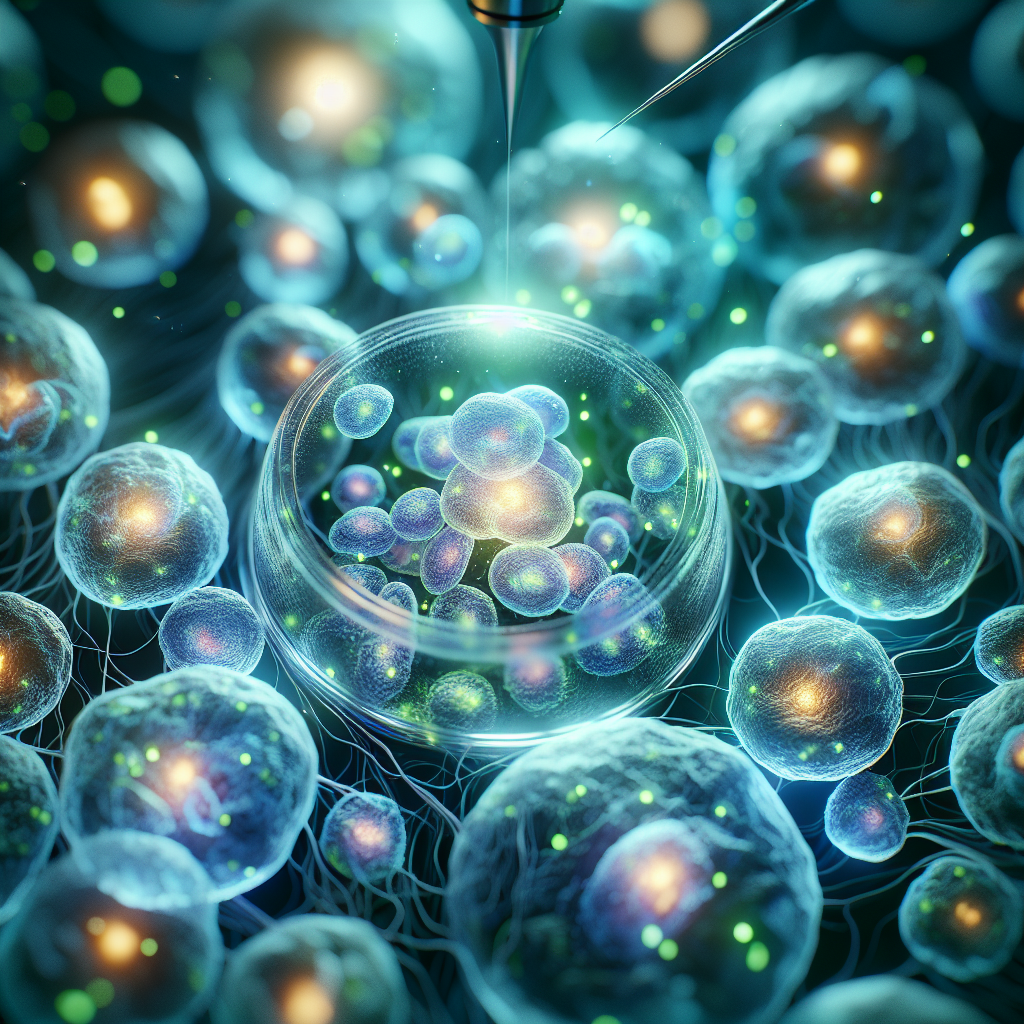
The Remarkable Role of iPSC Stem Cells in Regenerative Medicine
iPSC stem cells, or induced pluripotent stem cells, have emerged as a groundbreaking element in regenerative medicine, offering unprecedented possibilities in disease treatment and tissue regeneration. Their ability to transform and rejuvenate medical practices is changing the landscape of modern healthcare. Let’s explore these stunning advances and their implications for the future.
Understanding iPSC Stem Cells
iPSCs are generated by reprogramming adult cells, typically skin or blood cells, into an embryonic stem cell–like state. This state allows them to develop into any cell type found in the body. Shinya Yamanaka and Kazutoshi Takahashi first introduced this innovative process in 2006, which holds significant promise for numerous therapeutic applications.
The Intersection of iPSCs and Regenerative Medicine
Regenerative medicine focuses on repairing or replacing damaged tissues and organs, often using stem cells. iPSCs play a crucial role by providing an unlimited source of patient-specific cells for personalized treatment plans. This technology bypasses ethical concerns associated with embryonic stem cells.
Benefits of iPSCs
– Unlimited Supply: iPSCs can be generated in large quantities, ensuring a consistent supply for medical research and treatment.
– Patient-Specific: Cells derived from the patient’s own tissues minimize the risk of immune rejection.
– Versatility: Capable of differentiating into any cell type, iPSCs offer diverse applications in the medical field.
iPSC Applications in Disease Treatment
The advancements in iPSC stem cells are leading to transformative treatments across various diseases and conditions. Here are some notable applications:
Neurological Disorders
Research is pushing boundaries in neurological conditions such as Parkinson’s, Alzheimer’s, and spinal cord injuries. iPSCs can be differentiated into neurons, offering potential solutions for these challenging disorders. Early trials show promise in replacing damaged neurons and restoring lost functions.
Cardiovascular Diseases
Heart disease remains a leading cause of death globally. iPSCs can develop into heart muscle cells to repair and regenerate heart tissue, opening new avenues for personalized treatments and improved outcomes for patients with cardiovascular illnesses.
Diabetes
iPSCs hold promise for diabetes management by creating insulinproducing beta cells. This innovation could revolutionize treatment, providing a functional cure by restoring the body’s ability to produce insulin.
Challenges in iPSC Research and Application
Despite their potential, several challenges must be addressed before iPSCs can become mainstream in clinical settings:
– Safety Concerns: Potential risks include tumor formation and genetic abnormalities. Rigorous testing is required to ensure longterm safety.
– Efficiency of Reprogramming: Enhancements in the reprogramming process are needed to improve efficiency and reliability.
– Cost: Producing iPSCs can be expensive, requiring further research to make treatments financially viable for widespread use.
Breakthroughs in iPSC Technology
Significant breakthroughs in iPSC technology are accelerating progress in regenerative medicine. Researchers are exploring methods to enhance the efficiency and safety of iPSC generation and differentiation. Innovations such as CRISPR gene editing offer promising avenues to refine iPSC applications.
The Future of iPSCs in Regenerative Medicine
The future of iPSCs in regenerative medicine looks promising, with a continuous stream of research and innovation. These stem cells are poised to revolutionize personalized medicine by addressing the root causes of diseases and offering tailored treatment options.
Upcoming Innovations
– Organ Regeneration: Studies are underway to use iPSCs in the creation of bioengineered organs, potentially solving the organ transplant scarcity crisis.
– Gene Therapy Integration: Combining iPSCs with gene therapy could facilitate targeted correction of genetic defects at the cellular level.
Conclusion
The advances in iPSC stem cells signify a major leap forward in regenerative medicine, offering hope and transformation throughout the medical field. As research continues, iPSCs may soon provide solutions to many previously untreatable conditions. For those impacted by these innovations, it is a time of remarkable progress.
For more information on this topic, explore more related content on the alsrealwaterexposure.com website’s /blog page. If you have any concerns or questions, we invite you to reach out about your ALS and Real Water case. For immediate assistance, feel free to call 702-385-6000.
References
– Nature: Yamanaka and iPSCs
– National Institutes of Health: Stem Cell Basics
– ScienceDaily: iPSC Therapies