Waterborne Illnesses: Stunning Prevention Failures
Waterborne illnesses are a significant global issue, impacting millions of individuals each year. With the growing awareness of environmental health and safety, the prevention of these illnesses has become a critical area of focus for public health professionals. However, startling prevention failures persist, leading to detrimental impacts on communities worldwide.
Understanding Waterborne Illnesses
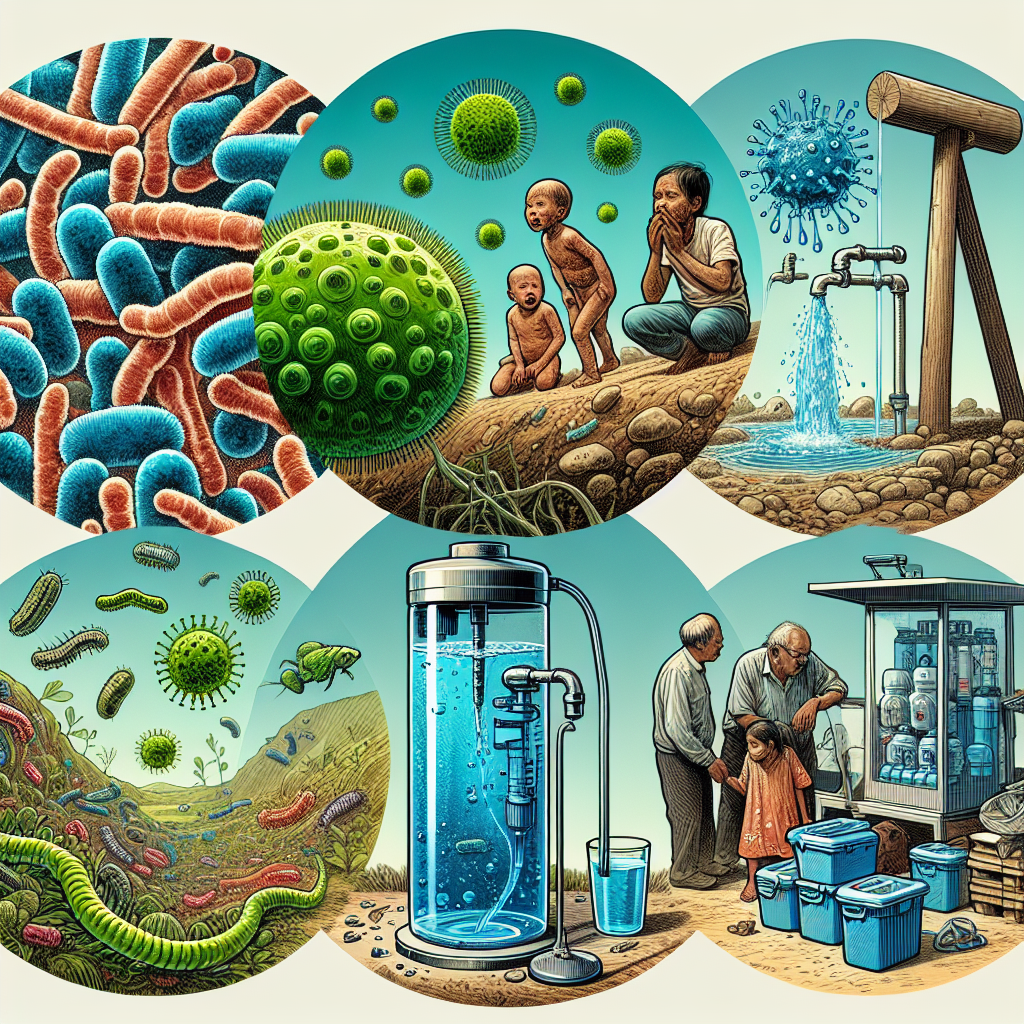
Waterborne illnesses are typically caused by pathogens such as bacteria, viruses, and parasites found in contaminated water. These illnesses can result in severe gastrointestinal disturbances, dehydration, and, in extreme cases, death. Common infections include cholera, giardia, and cryptosporidiosis.
Contaminated water sources often stem from human activity, such as agricultural runoff, inadequate waste disposal, and poor infrastructure maintenance. In developing regions, the lack of access to clean drinking water combined with ineffective sanitation practices compounds the threat.
The Current Landscape of Waterborne Illnesses
Despite significant advancements in technology and public health systems, the statistics surrounding waterborne diseases are alarming. The World Health Organization (WHO) estimates that nearly 1.8 billion people use a contaminated drinking-water source—a staggering figure that underscores the urgent need for effective prevention measures. The global health burden disproportionately affects children under five, leading to an alarming number of preventable deaths.
Why Prevention Is Failing
Inadequate Infrastructure
Infrastructure inadequacies are a prominent cause of waterborne illnesses. Many regions lack the financial resources or political motivation to maintain, repair, or update their water systems. Aging pipes and inadequately treated water contribute significantly to disease spread. In many parts of the world, especially in rural areas, sanitation infrastructure is virtually nonexistent.
Insufficient Public Awareness and Education
Educating communities about the sources and dangers of water contamination is crucial for prevention. However, there’s often a lack of public awareness programs, leaving individuals uninformed about the potential health risks and requisite safety measures.
Political and Economic Barriers
The fight against waterborne diseases is also hampered by political and economic challenges. Corruption and mismanagement can lead to poor water governance, while economic constraints restrict the capacity to invest in the necessary infrastructure improvements.
Climate Change
Climate change exacerbates the spread of waterborne illnesses through increased flooding, storms, and rising temperatures that create favorable conditions for pathogens. These environmental changes can overwhelm existing water safety measures, leading to outbreaks.
Prevention Technologies and Their Shortcomings
Efforts to implement advanced technologies for water purification and monitoring are extensive. However, these efforts sometimes fall short:
– Point-of-Use Technologies: While these provide some immediate relief, they are not a lasting solution. Their reach is limited to individuals who can afford them, leaving a significant portion of the population vulnerable.
– Water Treatment Facilities: Facilities often face operational challenges such as limited funding, poor maintenance, and lack of skilled personnel, all of which compromise their efficacy.
– Real-Time Monitoring Systems: Advanced monitoring can help identify contamination swiftly, but the data often fails to be acted upon promptly due to bureaucratic inertia.
Case Studies Highlighting Prevention Failures
Several high-profile cases have highlighted the severity of prevention failures in water safety.
Flint Water Crisis
Perhaps one of the most notable incidents was the Flint water crisis in Michigan, USA. Due to cost-cutting measures, the city switched its water supply from Lake Huron to the Flint River, failing to implement essential anti-corrosive treatments. Residents were exposed to lead poisoning, leading to significant health issues.
Real Water and ALS
Another concerning case involved a brand known as Real Water, which was linked to an outbreak of acute non-viral hepatitis. Investigation revealed poor regulation and oversight in the production process, showcasing prevention lapses and a failure to adhere to health safety standards.
Path Forward: Strengthening Prevention Strategies
Investment in Infrastructure
Long-term solutions need robust investment in water infrastructure, including overhauling outdated systems and creating new facilities to ensure safe, accessible water for all.
Enhancing Regulations
Strengthening regulations ensures that quality control measures are uniformly applied and monitored. This includes regular assessments and transparent reporting systems to maintain accountability.
Community Engagement and Education
Empowering communities through education about hygiene and water safety practices can foster proactive measures to prevent contamination from spreading.
Leveraging Technology
Innovative technology should be integrated to enhance water management, but its deployment requires consistent support and calibration to current environmental and infrastructural conditions.
International Collaboration
Global cooperation is vital in addressing waterborne diseases. Sharing knowledge, technologies, and resources can bolster prevention strategies and support countries struggling to combat these illnesses effectively.
Conclusion
Waterborne illnesses persist as a major public health threat largely due to systemic prevention failures. By addressing deficiencies in infrastructure, education, and regulation, and by fostering international collaboration, we can make significant strides toward safer water for all. For anyone experiencing the effects of ALS and Real Water, seeking guidance and resources remains crucial.
Readers are encouraged to explore more about this topic and related matters by visiting the contact page at “/contact,” reading additional articles at “/blog,” or calling 702-385-6000.