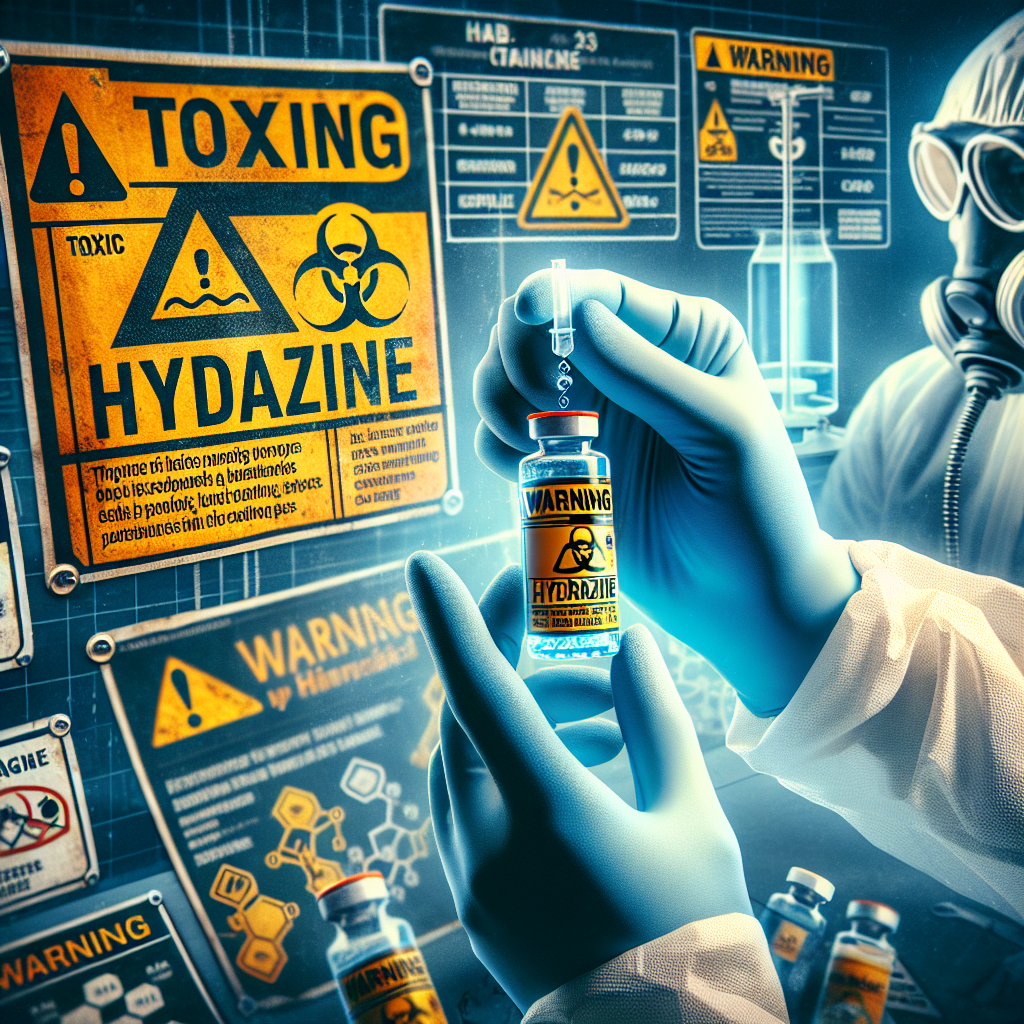
Hydrazine Dangers: Unveiling Its Toxicity Risks
Hydrazine dangers are a critical topic for anyone involved in industries such as aerospace, pharmaceuticals, or agriculture. This highly reactive chemical compound is invaluable in many applications, yet its risks cannot be overstated. Understanding the perils associated with hydrazine is essential to ensure safe handling and prevent exposure to its toxic effects.
Understanding Hydrazine
Hydrazine (N2H4) is a colorless, flammable liquid with a pungent smell, used across various sectors predominantly for its role as a rocket propellant and a precursor to several pharmaceuticals and pesticides. Its applications, however, come with considerable safety concerns, chiefly due to its highly toxic and potentially corrosive properties.
The Multiple Uses of Hydrazine
Despite its hazards, hydrazine remains widely used due to its effectiveness and versatility. Its applications include:
– Rocket Propellant: Hydrazine’s capability to act as a hypergolic propellant in rockets underscores its pivotal role in aerospace engineering.
– Chemical Manufacturing: It serves as an important reducing agent in the synthesis of agricultural chemicals and medicines.
– Water Treatment: In boiler water treatments, it helps in controlling dissolved oxygen levels, preventing corrosion.
– Fuel Cells: Hydrazine is a promising candidate for use in fuel cells as an affordable and efficient energy carrier.
Health Hazards and Toxicity
Hydrazine Dangers in Occupational Settings
Exposure to hydrazine can primarily occur in workplaces where it is manufactured or utilized. Workers in such environments face several health risks:
– Inhalation and Contact Risks: Breathing in hydrazine vapors can lead to significant respiratory distress. The substance is easily absorbed through the skin, causing skin irritation or burns.
– Carcinogenic Potential: Classified as a potential human carcinogen, long-term exposure may lead to an increased risk of developing cancer.
– Symptoms of Exposure: Immediate symptoms upon exposure can include dizziness, nausea, and headaches, while more severe exposure might result in seizures, liver damage, or even death.
Environmental Impact of Hydrazine Toxicity
Beyond human health, hydrazine’s toxicity extends to the environment:
– Aquatic Toxicity: When released into water bodies, hydrazine can be lethal to aquatic life, disrupting ecosystems.
– Soil Contamination: Soil exposure can lead to detrimental effects on plant life, affecting growth and nutrient uptake.
– Air Pollution: As a volatile compound, hydrazine can contribute to air pollution, challenging both environmental and public health.
Managing and Mitigating Risks
Safety Protocols for Handling
To minimize hydrazine dangers, stringent safety protocols should be implemented in any facility using this compound:
– Proper Storage: Hydrazine must be stored in airtight, corrosion-resistant containers, away from incompatible substances.
– Personal Protective Equipment (PPE): Workers should wear appropriate PPE including gloves, goggles, and respirators.
– Ventilation Systems: Facilities must be equipped with adequate ventilation to disperse harmful vapors and maintain air quality.
Emergency Response and First Aid
Preparedness can significantly mitigate the outcomes of accidental exposure:
– Spill Response: In the event of a spill, immediate evacuation of the area is necessary while trained personnel containing the spill use approved equipment.
– First Aid Measures: Promptly washing exposed skin with soap and water is crucial. Evacuating affected individuals to fresh air and seeking medical attention is essential for inhalation incidents.
The Role of Regulations
Government and international bodies have implemented regulations to control hydrazine hazards:
– Workplace Limits: Occupational exposure limits have been established to minimize potential health risks.
– Environmental Standards: Discharge and emission regulations aim to protect water and air quality from industrial leaks or spills.
Alternatives to Hydrazine
Researchers and industries have continuously sought alternatives to reduce reliance on hydrazine:
– Green Propellants: The development of eco-friendlier propellants offers a promising reduction in environmental and health risks.
– Alternative Chemicals: In some sectors, using alternative chemicals can diminish dependency on hydrazine, thereby lowering exposure risks.
Conclusion
Understanding hydrazine dangers and its toxicity is vital for those working in affected industries and for policymakers ensuring public and environmental safety. While its uses are significant, the health implications underscore the need for stringent handling protocols and preventative measures. Awareness and education about hydrazine toxicity are crucial steps toward ensuring a safer workplace and environment.
For those affected by hydrazine exposure or involved in related fields, it is advised to stay informed. Reach out regarding your ALS and Real Water case by visiting the links to the contact page located in “/contact”. For further reading, explore more articles through the blog page located in “/blog”. For immediate assistance, please call using the link to “702-385-6000”.