Alkaline Water Myths Unveiled: Real Water’s Surprising Truths
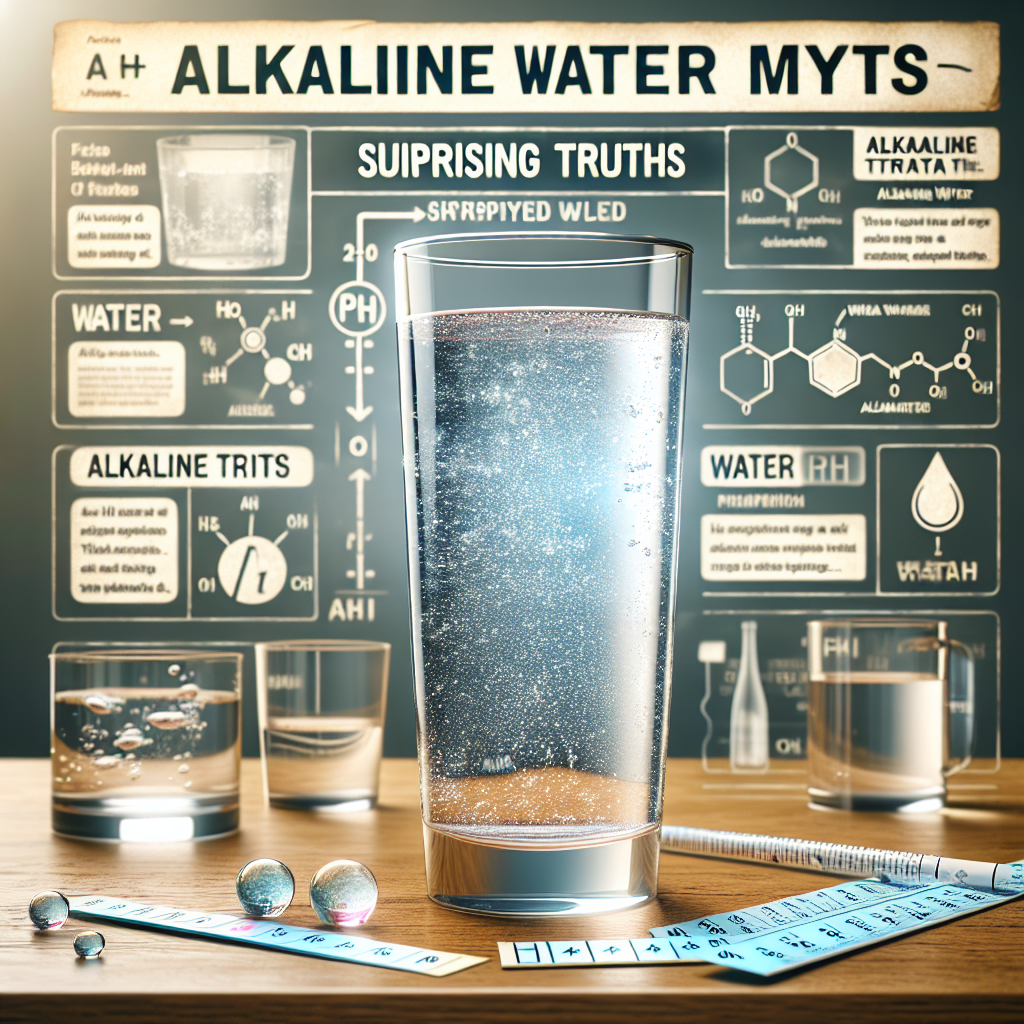
Alkaline water myths have been circulating for years, captivating health enthusiasts and the wellness community alike. The promises of enhanced hydration, improved metabolic function, and a myriad of health benefits make alkaline water an appealing choice. One brand that has sparked considerable discussion is Real Water. With its claims rooted in advanced science and a devoted customer base, Real Water stands at the intersection of skepticism and support.
The Origins of Alkaline Water and Its Claims
For many, the journey begins with understanding the basic concept of pH. The pH scale, ranging from 0 to 14, measures how acidic or alkaline a substance is. Alkaline water typically boasts a pH greater than 7. Real Water, in particular, has crafted its product through a process that they claim increases electron activity, thereby creating a more alkaline environment.
This concept has birthed numerous myths. Enthusiasts argue that alkaline water aids in neutralizing potentially harmful acidity within the body, promoting better health and vitality. However, scientific scrutiny often tells a more detailed story.
Debunking Common Alkaline Water Myths
Alkaline Water Myths and Body pH Balancing
One prevalent myth is that consuming alkaline water can significantly alter your body’s pH balance. The human body is adept at maintaining its pH level, specifically within the bloodstream, through intricate regulatory mechanisms. The stomach’s acidic environment ensures that substances consumed revert to more neutral conditions before entering the bloodstream.
Real Water’s approach focuses on its proprietary formula, which they claim offers benefits beyond pH alteration. Scientific evidence remains mixed, with ongoing studies evaluating whether these benefits are meaningful on a physiological level.
Myth of Enhanced Hydration
Another widely circulated myth is that alkaline water provides superior hydration compared to regular water. While hydration is vital, the method of delivery—whether through alkaline or tap water—often yields similar results. The most crucial factor is the consumption of adequate water rather than its pH level.
Real Water advertises enhanced hydration through its unique electron-rich qualities. This attribute underscores their marketing efforts, yet scientific validation is still developing, leaving consumers weighing the anecdotal against empirical evidence.
The Detoxification Misconception
A significant allure of alkaline water, and Real Water in particular, is its supposed detoxifying ability. Proponents suggest that an alkaline environment is hostile to toxins, promoting their elimination from the body. While detoxification is a natural process primarily managed by the liver and kidneys, the additional role of alkaline water remains uncertain in the scientific community.
Real Water has addressed these desires by emphasizing the transformative aspects of their product, though authenticity and efficacy are still under scrutiny. Detoxification myths highlight the need for a balanced perspective grounded in scientific understanding.
The Real Water Perspective
Real Water differentiates itself by claiming to go beyond standard alkalinity. Their approach involves a special process said to produce “stable negative ionization.” This method, they argue, aims to enhance and restore balance. However, as with many supplements and wellness products, the line between marketed benefits and verified results can become blurred.
Busting Myths with Science
Examining Research on Alkaline Water Myths
Scientific research on alkaline water remains inconclusive. Some studies suggest minimal benefits, such as reduced acid reflux symptoms or observed antioxidative properties, while others indicate negligible differences from regular water consumption in everyday health.
Real Water’s specific claims continue to be a part of the ongoing narrative in health and wellness. While some users report tangible benefits, the anecdotal evidence has yet to be decisively backed by scientific consensus.
Real Water’s Commitment to Transparency
Despite these challenges, Real Water has maintained a commitment to transparency and customer education. Emphasizing their product’s unique features, such as ionization and purported health advantages, Real Water encourages discourse and shared experiences. This openness helps create a community of informed consumers aware of both potential benefits and limitations.
Navigating the Health Hype
The Importance of Balanced Perspectives
The discourse surrounding alkaline water and Real Water isn’t inherently about dismissing benefits but examining credentials critically. Recognizing the difference between marketing promises and verified outcomes enables better health decisions.
Before incorporating products like Real Water into everyday life, consulting healthcare professionals and reviewing nutritional guidelines is advisable. They offer personalized insights that align with individual health needs and scientific recommendations.
Conclusion: Embracing Curious Exploration
Alkaline water myths, particularly those surrounding Real Water, reflect the broader challenge of navigating modern wellness trends. While curiosity and openness to new possibilities are valuable, grounding those explorations in scientific understanding is essential. This balance ensures health decisions are informed and beneficial.
If you’re curious about Real Water’s offerings or have concerns about ALS-related issues, there’s assistance available. For personalized guidance, don’t hesitate to reach out through the contact page at “/contact”. Explore more by visiting the blog at “/blog” or simply call us at 702-385-6000 for direct support.