Global Water Issues: Understanding ALS Disparities
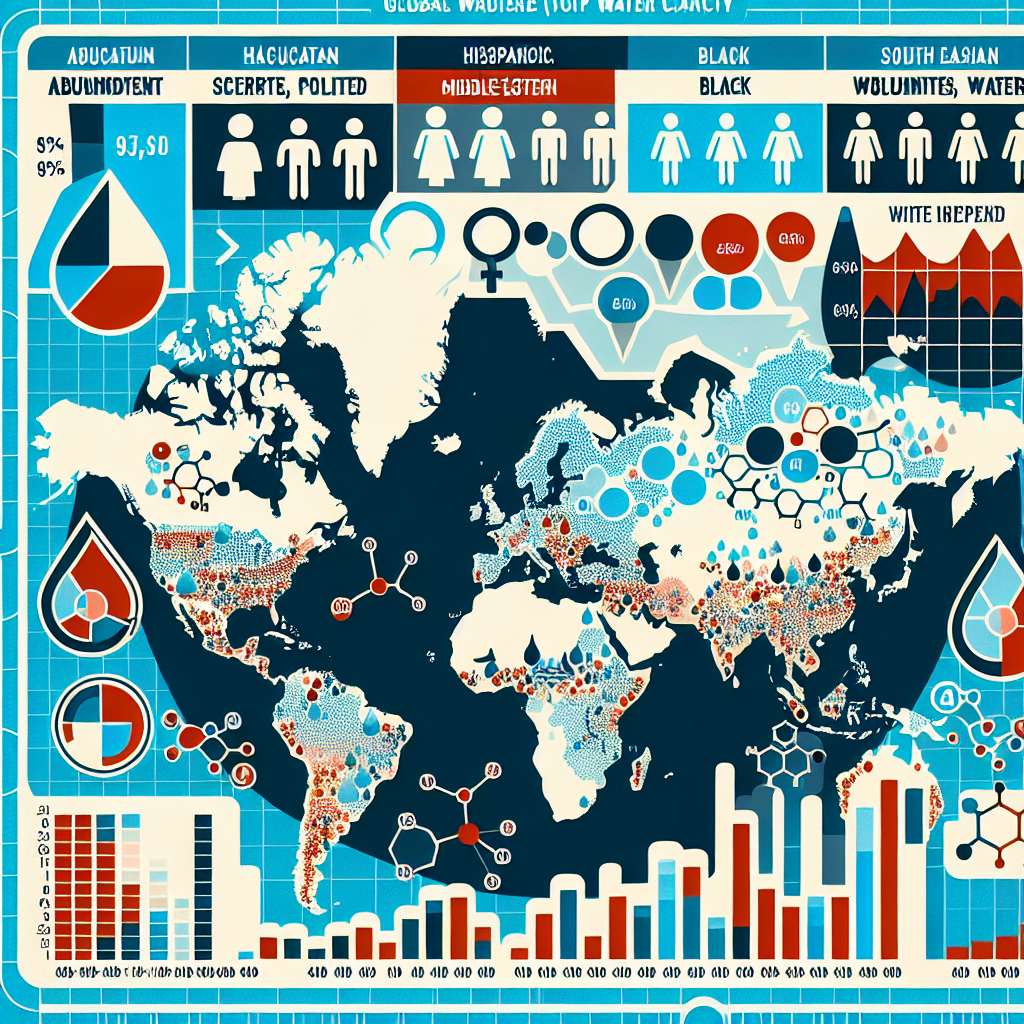
Global water issues have a profound impact on communities worldwide, touching on everything from health to socio-economic development. Water is the essence of life, yet its scarcity and contamination have led to severe health disparities. Among the various health conditions influenced by water quality and availability, Amyotrophic Lateral Sclerosis (ALS) has emerged as a focal point of concern. Understanding the links between water issues and ALS disparities is crucial for implementing effective global solutions.
The Scope of Global Water Issues
Water scarcity and contamination transcend geographical boundaries, affecting billions of people daily. With nearly 2 billion individuals lacking access to clean water, the repercussions are far-reaching, influencing health, hygiene, and the overall quality of life. Water pollution, resulting from industrial waste, agricultural runoff, and inadequate infrastructure, further exacerbates the problem.
Health Implications
Water-related diseases are rampant, with millions suffering from preventable conditions like cholera, dysentery, and hepatitis. The health implications extend beyond immediate illnesses as chronic conditions, including ALS, show potential links to prolonged exposure to contaminated water sources.
Economic and Social Impact
The economic ramifications are equally severe. The burden of water-related health issues can cripple economies, particularly in developing countries where resources are scarce. Women and children often bear the brunt, spending hours collecting water, which limits educational and economic opportunities.
Understanding ALS Disparities
ALS disparities refer to the uneven distribution and prevalence of ALS among different populations and regions. While genetic factors contribute to ALS, environmental factors, including water quality, are increasingly recognized as significant contributors.
Environmental Toxins
Studies have indicated that exposure to certain environmental toxins and pollutants may increase ALS risk. Contaminated water sources often harbor heavy metals and pesticides that have been linked to neurological damage.
Socioeconomic Factors
Socioeconomic status also plays a role in ALS disparities. Populations in low-income areas with limited access to clean water are more vulnerable to environmental hazards, increasing the risk and prevalence of ALS.
Examining the Connection: Water Quality and ALS
The connection between water quality and ALS is complex and multifaceted. Research is ongoing to fully understand these links, but several studies highlight potential pathways through which water issues contribute to ALS.
Neurotoxins in Water
Certain bacteria that thrive in polluted water produce neurotoxins, which can lead to neurological conditions in humans. Long-term exposure to these toxins is believed to contribute to neurodegenerative diseases like ALS.
Heavy Metal Contamination
Heavy metals like lead, mercury, and arsenic, commonly found in polluted water sources, have been implicated in neurological damage. Chronic exposure can lead to cell death in the brain, providing a possible link to ALS development.
Reducing ALS Disparities through Water Solutions
Addressing global water issues is critical in reducing ALS disparities. Strategies for improvement involve both immediate interventions and long-term planning.
Enhancing Water Quality
Investing in water purification technologies and infrastructure can drastically reduce the prevalence of waterborne toxins. Treatment plants, filtration systems, and sustainable agricultural practices are vital components of this approach.
Community Education and Involvement
Educating communities about the sources and risks of water contamination empowers them to take proactive measures. Community involvement in developing water management plans ensures that solutions are tailored to local needs.
Policy and Advocacy
Advocating for stringent water quality regulations and enforcement is crucial. Governments and international organizations must collaborate to establish policies that prioritize clean water access as a fundamental human right.
The Role of Research and Innovation
Research and innovation play critical roles in addressing global water issues and ALS disparities. Continued investigation into the environmental factors contributing to ALS can inform better prevention strategies.
Innovative Solutions
Technological advancements, such as water purification inventions and real-time monitoring systems, offer promising solutions. Supporting innovation in these areas can lead to breakthroughs in both water quality management and ALS prevention.
Collaborative Research Efforts
Collaboration between scientists, governments, and non-profits is essential. By pooling resources and expertise, more comprehensive and effective solutions to water-related health disparities can be developed.
Moving Forward: A Call to Action
The intersection of global water issues and ALS disparities demands urgent attention and action. As we strive for equitable access to clean water, we must also address the broader health implications tied to water quality.
Achieving these goals requires a concerted effort across all sectors of society. Governments, organizations, and individuals must work collectively to alleviate the burdens these issues present.
To make a tangible impact, it is important to keep open lines of communication. Don’t hesitate to reach out regarding your ALS and Real Water case by visiting the contact page at “/contact”, exploring more on our blog page at “/blog”, or by calling 702-385-6000. Let’s continue the conversation and drive meaningful change together.