ALS Diet: Unlocking the Potential to Slow Progression
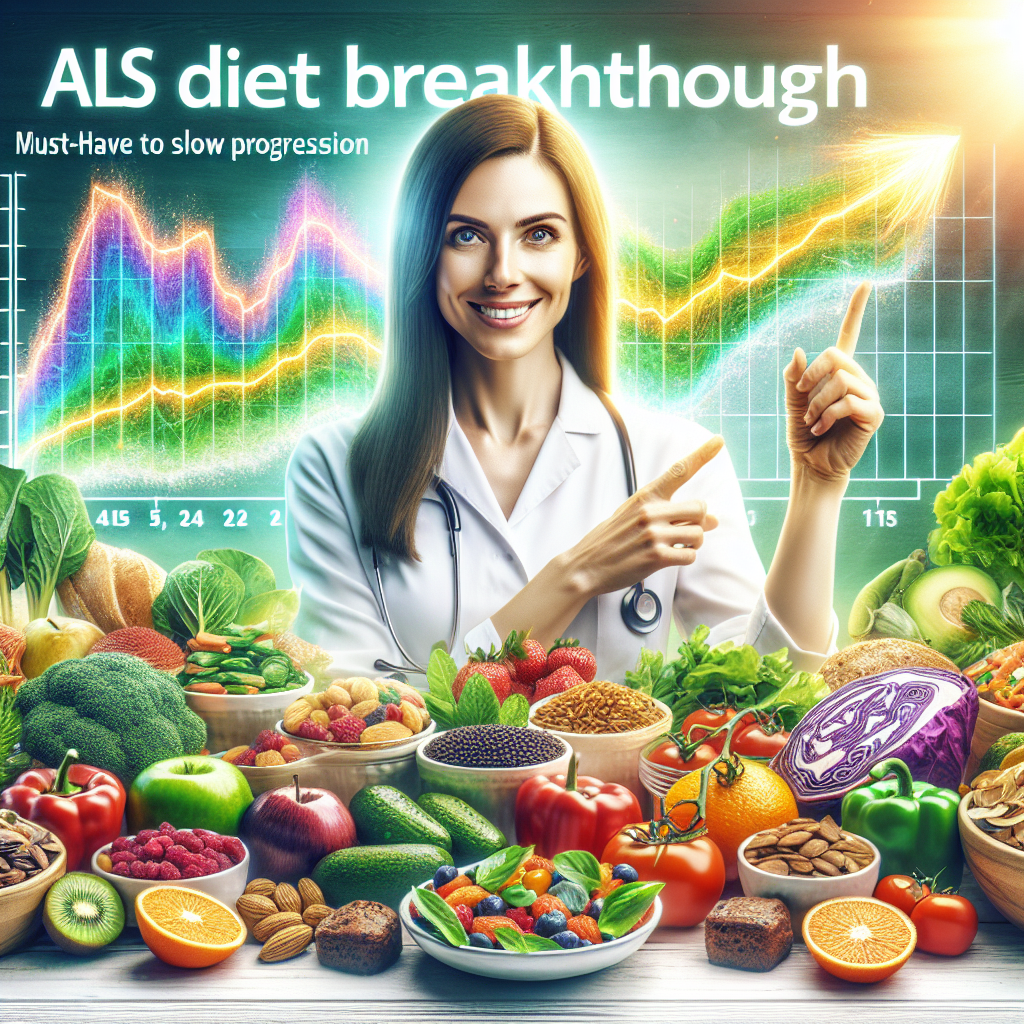
Advancements in understanding amyotrophic lateral sclerosis (ALS) have led to promising insights, one of which is the role of diet in managing the disease. While there is no cure for ALS, exploring dietary strategies offers hope for slowing its progression. This article delves into essential tips and considerations for crafting an ALS-friendly diet that may influence the course of this challenging condition.
Understanding ALS and Its Challenges
ALS is a progressive neurodegenerative disease that affects nerve cells in the brain and spinal cord, resulting in a loss of muscle control. This debilitating disorder can lead to difficulties in speaking, eating, and breathing. Considering the nature of ALS, maintaining adequate nutrition is often a significant challenge, especially as the disease progresses.
The Importance of an ALS Diet
A well-balanced ALS diet can enhance quality of life and may help in slowing the disease’s progression. Proper nutrition ensures that individuals with ALS maintain their strength, manage symptoms better, and support their overall well-being. The connection between nutrition and disease progression is an area of ongoing research, but promising findings underscore the impact of specific dietary choices.
Caloric Needs and Energy Balance
ALS patients often require a higher caloric intake due to increased metabolic demands and the effort needed for basic activities. Weight loss can accelerate weakness and muscle atrophy, complicating the course of the disease. A dietician or nutritionist can help create a meal plan that ensures enough energy intake to meet these heightened needs.
Focusing on Healthy Fats
Incorporating healthy fats into an ALS diet is crucial. Omega-3 fatty acids, found in foods like salmon, flaxseeds, and walnuts, are known for their anti-inflammatory properties and potential neuroprotective effects. These fats also provide a concentrated source of calories, which is beneficial for meeting the increased energy requirements.
Antioxidant-Rich Foods
Oxidative stress plays a role in the progression of ALS, making antioxidants a valuable component of the diet. Foods rich in antioxidants can help neutralize free radicals and may protect nerve cells from damage.
Key Antioxidant Sources
– Berries: Blueberries and strawberries are high in antioxidants like anthocyanins and flavonoids.
– Leafy Greens: Spinach and kale provide vitamins C and E, as well as other protective compounds.
– Nuts and Seeds: Almonds and sunflower seeds offer vitamin E and selenium, known for their antioxidant benefits.
Hydration and Fluid Intake
Proper hydration is essential for everyone, but especially for those with ALS, as it supports metabolic processes and assists in maintaining muscle function. Sufficient fluid intake can also alleviate constipation, a common issue faced by individuals with ALS. It’s important to monitor water intake and adjust as needed, particularly if consuming high-fiber meals.
Convenient Hydration Tips
– Opt for hydrating foods like watermelon and cucumber.
– Include smoothies or broths to increase fluid intake.
– Avoid caffeinated beverages that may contribute to dehydration.
Protein and Muscle Maintenance
Adequate protein intake is vital for muscle maintenance and repair. ALS patients should focus on including high-quality protein sources in their diet to help mitigate muscle loss.
Recommended Protein Sources
– Lean Meats: Chicken, turkey, and lean cuts of beef.
– Fish: Rich in omega-3s and protein, fish like mackerel and sardines are excellent choices.
– Legumes: Beans, lentils, and chickpeas offer plant-based protein alternatives.
Personalizing the ALS Diet
Each person with ALS may experience different symptoms and challenges, making it critical to tailor the diet to individual needs. Consulting with a healthcare professional specializing in nutrition can ensure a personalized approach that considers all aspects of health and disease management.
Consideration of Swallowing Difficulties
For those facing challenges with swallowing (dysphagia), adjusting the texture of foods and incorporating soft, puréed meals can help maintain adequate nutrition while minimizing discomfort.
Supplements and Superfoods
While a balanced diet is the cornerstone of good nutrition, certain supplements and superfoods may provide additional benefits for those with ALS.
Potential Supplements
– Vitamin D: May support muscle health and immune function.
– Coenzyme Q10: Known for its antioxidant properties and energy production support.
Before introducing supplements, consultation with a healthcare provider is crucial to avoid any adverse interactions with medications or pre-existing conditions.
Conclusion
Incorporating a carefully planned diet into the management strategy for ALS can be empowering for patients and caregivers alike. By focusing on nutrient-rich foods, meeting increased energy needs, and addressing specific challenges, there is potential to positively influence the disease’s progression. While diet alone is not a cure, these strategies offer a proactive approach to enhancing the quality of life for those living with ALS.
For those interested in exploring more about ALS management or seeking legal consultation on the Real Water case, please visit our contact page at “/contact”. You can also read further articles on our blog at “/blog”, or reach out to us directly by calling 702-385-6000.