ALS Technology Aids: Your Exclusive Independence Boost
ALS technology aids are transforming the lives of individuals living with Amyotrophic Lateral Sclerosis (ALS) by offering remarkable tools that enhance independence and improve quality of life. As ALS progresses, muscle weakness becomes a major challenge, requiring innovative solutions for daily tasks. Advancements in technology now provide the means to overcome these limitations, allowing individuals to regain autonomy.
Understanding ALS and its Impact
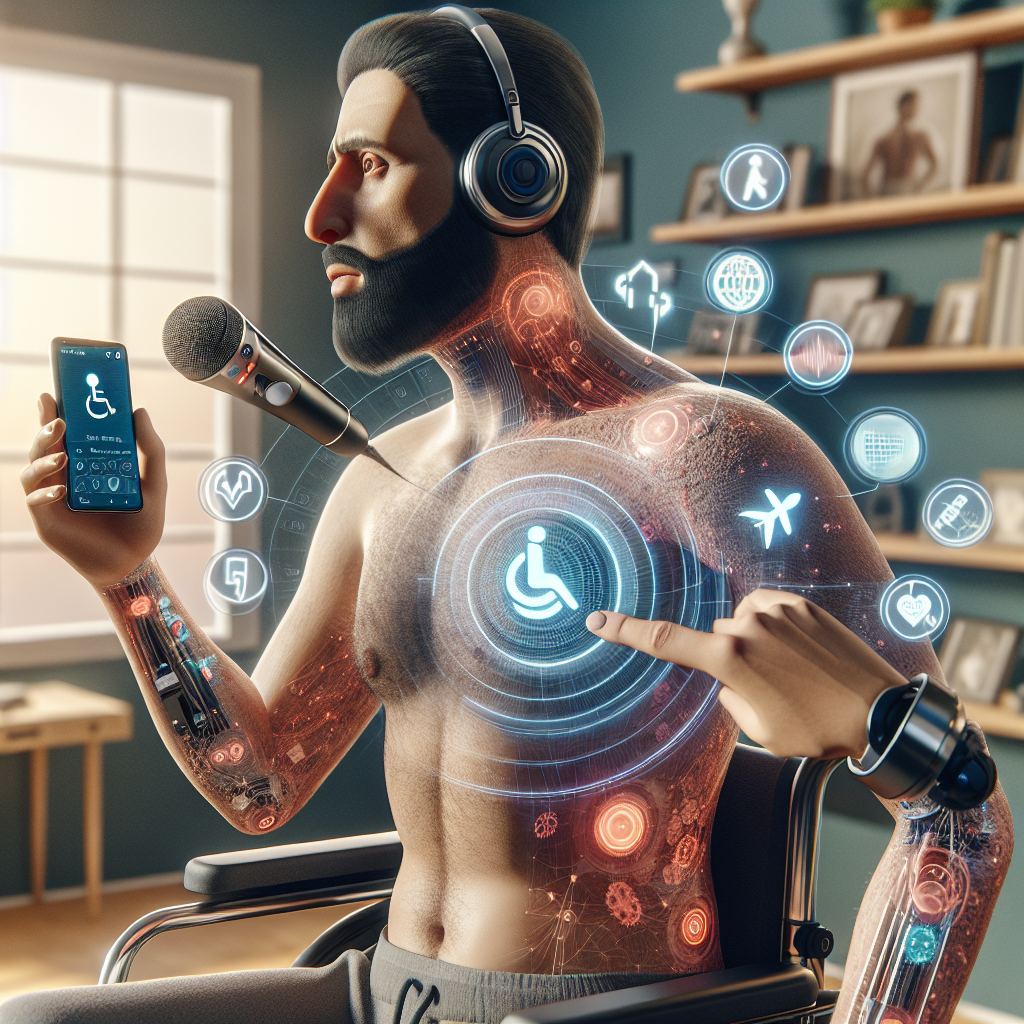
ALS is a progressive neurodegenerative disease affecting nerve cells in the brain and spinal cord. The disease leads to the gradual loss of muscle control, impacting all voluntary movements. While the mind remains sharp, the body becomes less responsive, making everyday activities increasingly difficult.
The emotional and physical toll on patients and their families is significant, emphasizing the need for effective aids that can restore freedom and ease the daily routine. ALS technology aids have become crucial in this regard, empowering users to navigate challenges with dignity and confidence.
How ALS Technology Aids Restore Independence
Technological innovations specifically designed for ALS offer users various methods to interact with their environments. These include:
Communication Devices
The ability to communicate is central to maintaining personal relationships and participating in the community. Speech-generating devices and eye-tracking technology have revolutionized the way individuals with ALS express themselves. By using simple eye movements or minor muscle control, users can form words and sentences, enabling them to maintain their voice even when verbal communication becomes impossible.
Mobility Solutions
Mobility aids are fundamental to enhancing movement and freedom. Electric wheelchairs equipped with head controls or sip-and-puff systems enable users to navigate their surroundings effortlessly. These wheelchairs are often customizable, ensuring comfort and ease of use tailored to individual needs.
Environmental Control Systems
Smart home technology allows individuals to control lights, thermostats, and household appliances with minimal effort. Voice-activated devices simplify numerous tasks, contributing to a sense of independence. The integration of these systems provides seamless interaction, promoting autonomy within the home environment.
The Role of Artificial Intelligence in ALS Innovation
The integration of artificial intelligence (AI) in ALS technology aids represents a significant leap forward. AI-powered devices analyze users’ patterns and preferences, adapting the technology to fit their unique requirements. This adaptability not only improves user experience but also empowers patients with a customized approach to managing their condition.
Predictive Text and Typing Assistance
AI-driven predictive text offers efficient communication through keyboards or other input devices. By understanding frequently used terms and phrases, these systems predict and autocomplete thoughts, significantly reducing the effort required to type complete sentences.
Voice Recognition and Command Systems
AI-enhanced voice recognition systems discern specific vocal cues, enabling users to execute commands even with diminished voice strength. These technologies assist in managing devices throughout the home, promoting independence with minimal exertion.
Emotional and Psychological Benefits
ALS technology aids do more than facilitate physical tasks; they also offer profound emotional and psychological benefits. The ability to communicate, move freely, and manage one’s environment significantly enhances mental well-being. The boost in self-esteem and reduction in feelings of isolation lead to a more positive outlook on life.
Enhanced Social Interaction
Maintaining social connections can prove challenging for individuals with ALS. Technology allows them to maintain active social lives through video calls, social media, and online gaming. These platforms foster communities of support, allowing individuals to share experiences and advice with others facing similar challenges.
Mental Health Support
The use of technology contributes positively to mental health by reducing frustration and anxiety associated with dependency. Engaging with technology often yields a sense of accomplishment, leading to improved mood and mental resilience.
Challenges and Future Prospects
While ALS technology aids significantly enhance independence, challenges remain in terms of accessibility and cost. Innovations must continue to progress toward affordability and widespread availability to benefit a broader audience.
The Path Forward
Investment in research and development, along with collaboration between technology providers and healthcare professionals, is essential for future advancements. Emerging technologies, including brain-computer interfaces, offer promising avenues, potentially allowing users to operate devices using thoughts alone.
With continued progress, the future for ALS technology aids looks promising, holding the potential to deliver even more sophisticated solutions that will further amplify independence and quality of life.
Conclusion
ALS technology aids play an indispensable role in boosting independence for those affected by ALS. Through revolutionary devices and systems, individuals regain control over their lives, fostering autonomy and enhancing overall well-being.
For those seeking more information or needing assistance regarding their ALS and Real Water case, please visit the contact page or call 702-385-6000. To explore more articles, head to the blog page on our site where a wealth of information awaits.
References:
1. ALS Association
2. MDA: Muscular Dystrophy Association
3. Brain & Life Magazine