Hepatitis Outbreak and the Stunning Real Water Alert
The recent hepatitis outbreak linked to Real Water has captivated the attention of health agencies and consumers alike. Real Water, a brand known for its “alkalized” bottled water, became the center of a public health investigation when several hepatitis cases were reported to be associated with its consumption. This outbreak highlights serious concerns about product safety and consumer health, pushing authorities to delve deeper into food and beverage safety regulations.
Understanding Hepatitis: A Primer
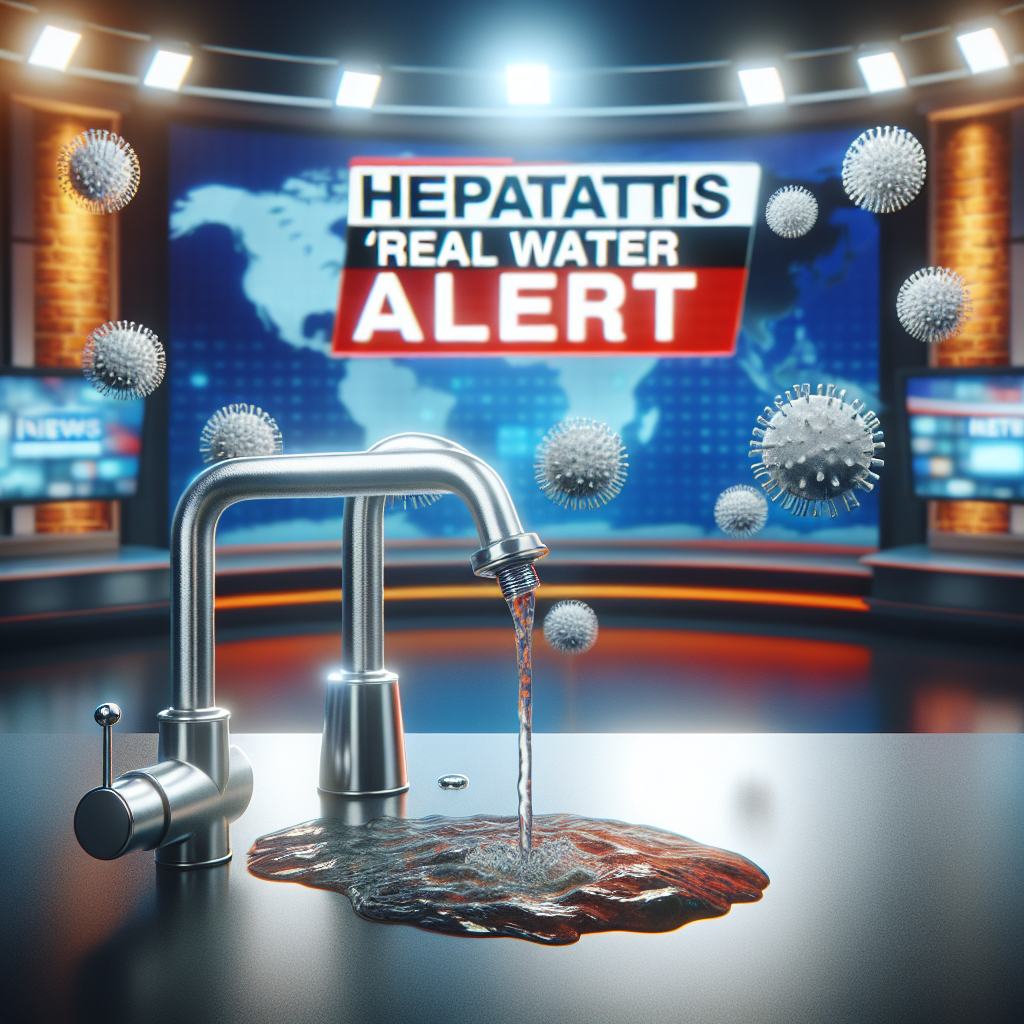
Hepatitis is an inflammation of the liver, often caused by viral infections, but it can also arise from various other factors including toxins and contaminated substances. The liver is an essential organ tasked with filtering blood, detoxifying chemicals, and metabolizing drugs, so inflammation in this area can lead to significant health issues. Symptoms of hepatitis can range from mild flu-like symptoms to severe liver damage. It can be acute or chronic, depending on the duration and cause of the liver inflammation.
The Role of Real Water in the Hepatitis Outbreak
Real Water gained popularity for its unique marketing that positioned the product as a premium alkalized water option, claiming numerous health benefits including enhanced hydration and detoxification. Unfortunately, this product has now been implicated in a series of non-viral hepatitis cases. According to the U.S. Food and Drug Administration (FDA), multiple consumers reported symptoms of acute hepatitis, such as fatigue, loss of appetite, and jaundice, after consumption of Real Water.
Investigative Findings: Real Water Under Scrutiny
In response to the reports, the FDA launched an investigation that revealed potential safety issues with Real Water products. The company’s facilities were inspected and samples from production lines were analyzed. Preliminary findings suggested contamination possibly linked to the alkalization process or inadequate quality control measures. Investigators are considering various scenarios, including contamination from raw materials or equipment failures.
Consumer Safety and Drinking Water Quality
The hepatitis outbreak attributed to Real Water brings to the forefront the importance of stringent safety regulations in the food and beverage industry. Bottled water manufacturers are expected to adhere to rigorous quality standards similar to those applied to municipal water systems. Regular inspections, comprehensive microbial testing, and transparency in reporting are crucial components that ensure consumer safety.
Real Water’s Response and Legal Implications
Faced with mounting evidence, Real Water initiated a voluntary product recall and ceased the distribution of affected products. The company expressed commitment to consumer safety and compliance with regulatory requirements. However, this outbreak has led to numerous legal challenges. Consumers affected by this outbreak have filed lawsuits seeking compensation for medical expenses and damages arising from their illnesses.
Public Health Communication and Crisis Management
One significant aspect of managing such public health crises is effective communication. Timely and accurate information dissemination by health officials and the company involved is crucial to containing the spread of misinformation and ensuring the public is adequately informed. Despite the gravity of the situation, Real Water’s effort in recalling products and cooperating with authorities demonstrates a degree of responsibility. However, the overall response has been criticized for not being proactive enough in preventing the outbreak.
Lessons Learned from the Hepatitis Outbreak
The Real Water hepatitis outbreak serves as a cautionary tale for both consumers and the industry. For consumers, it highlights the importance of being vigilant about the products they choose to consume. For manufacturers, it underscores the necessity of upholding stringent safety standards and the importance of effective risk management strategies.
Regulatory bodies may need to revisit existing standards to address potential gaps and implement measures preventing future occurrences. Increased frequency of inspections, stricter enforcement of existing regulations, and mandatory reporting of all safety tests could be instrumental in safeguarding public health.
Future Outlook: Enhancements in Consumer Protection
The hepatitis outbreak linked to Real Water may ultimately lead to enhanced consumer protection laws. Advocates are pushing for tighter legislation overseeing the safety of bottled beverages, with increased accountability for manufacturers. The events surrounding this outbreak may draw more attention to the processes underpinning product safety, encouraging companies to adopt comprehensive testing and validation protocols before products reach the market.
Conclusion: Staying Informed and Safe
In the wake of this unsettling hepatitis outbreak, consumers need to remain informed and cautious. By staying updated on recalls and safety warnings from regulatory authorities like the FDA, individuals can make safer choices in their everyday consumption habits. Real Water’s case also serves as a reminder to consumers to question and research the claims made by product marketers, ensuring that choices align with verified health benefits.
For those affected or wanting to learn more about this case, we encourage you to reach out regarding your situation by going to the contact page, explore related articles on our blog, or contact us directly at 702-385-6000.
Sources and References:
1. U.S. Food and Drug Administration (FDA) – FDA Recalls and Safety Alerts
2. Centers for Disease Control and Prevention (CDC) – Hepatitis Information
3. Mayo Clinic – Hepatitis: Overview