Hydrazine Dangers: Uncover Toxicity Risks Effortlessly
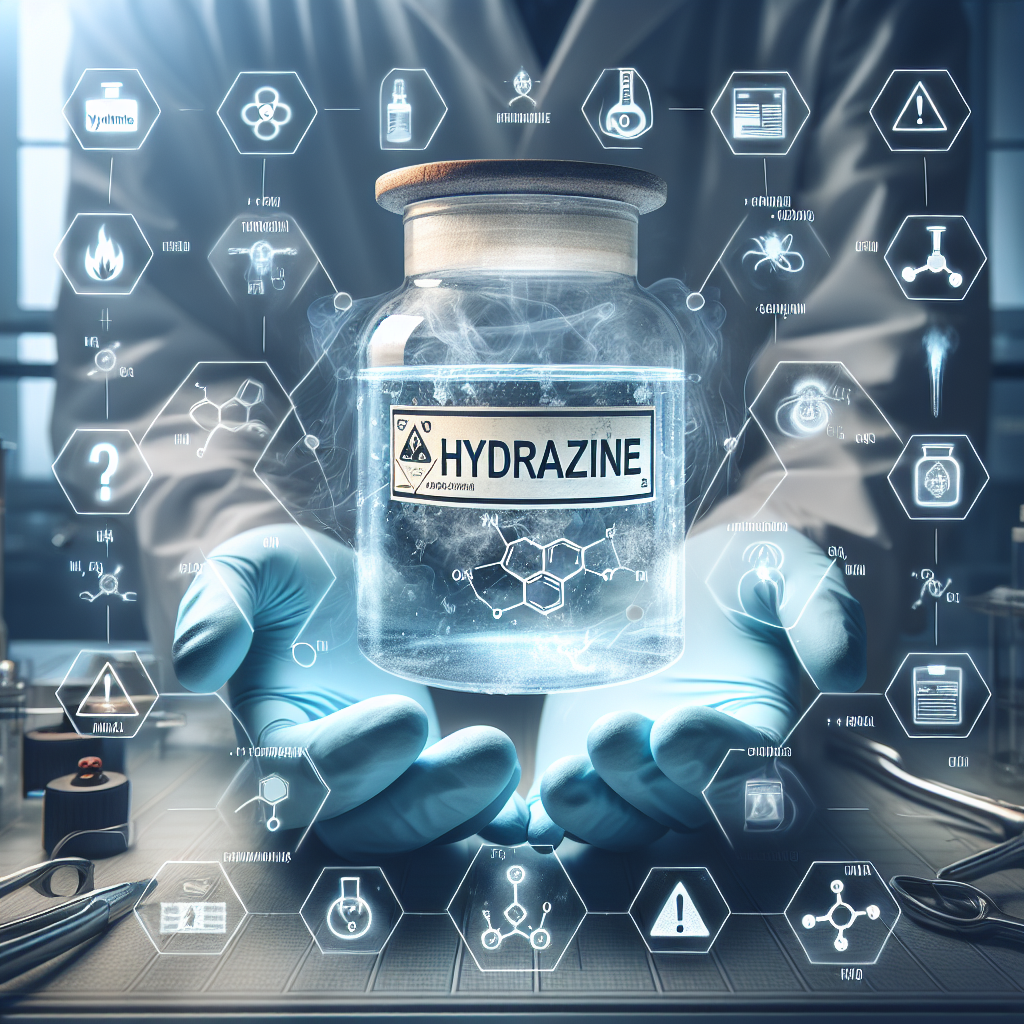
Hydrazine dangers have increasingly become a topic of concern, especially with its widespread applications in various industries. This colorless liquid may not seem threatening at first glance, but its impact on human health and the environment is significant. Those working with or living near areas where hydrazine is used should be aware of its potential risks.
What is Hydrazine?
Hydrazine is a chemical compound widely used as a fuel in rocket propellants, a component in agricultural chemicals, and in water treatment processes. Despite its utility, hydrazine’s volatile nature makes it a subject of scrutiny. Its highly reactive properties mean that improper handling can lead to dangerous consequences, including explosive reactions.
Understanding Hydrazine Dangers
The potential dangers associated with hydrazine stem from its toxicity. When exposed to this chemical, individuals can experience a range of health issues. Short-term exposure to hydrazine may cause irritation to the eyes, nose, and throat, dizziness, headache, and nausea. Long-term exposure, however, presents more severe risks, such as liver and kidney damage, and even an increased risk of cancer.
Health Risks from Hydrazine Exposure
The acute and chronic health effects of hydrazine are well-documented. Short-term exposure often results in respiratory irritation, leading to coughing, wheezing, and shortness of breath. Direct contact with the skin can cause burns or severe irritation. If inhaled in large quantities or over prolonged periods, hydrazine can damage the central nervous system, leading to seizures or coma.
Moreover, hydrazine is a suspected human carcinogen. Studies have shown an elevated risk of developing various forms of cancer for those who experience prolonged exposure, highlighting the necessity for stringent safety protocols when handling this chemical.
Environmental Impact of Hydrazine
Hydrazine doesn’t just pose risks to human health, its environmental impact is equally alarming. When released into the air, water, or soil, it can lead to severe ecological damage. Its persistence in the environment means it has the potential to contaminate water sources, harming aquatic life and affecting the quality of drinking water.
Given its ability to react with other substances in the environment, hydrazine can form pollutants that further exacerbate its negative impacts. Proper disposal and management of waste containing hydrazine are crucial in preventing environmental contamination.
Regulations and Safety Measures
Due to its hazardous nature, there are strict regulations governing the use and disposal of hydrazine. Agencies such as the Environmental Protection Agency (EPA) and the Occupational Safety and Health Administration (OSHA) have set guidelines to ensure safe handling practices.
Employers are responsible for providing appropriate personal protective equipment (PPE) to employees handling hydrazine. This includes gloves, masks, and protective clothing designed to minimize exposure. Regular training sessions on emergency procedures ensure that workers are prepared to deal with accidental spills or exposure incidents.
Reducing Risks: Tips for Safe Hydrazine Use
With the proper safety measures in place, the risks associated with hydrazine can be managed effectively. Here are some key strategies for minimizing exposure:
– Implementing Safety Protocols: Establish and follow strict guidelines for the storage and handling of hydrazine. Ensure that all safety equipment is maintained and easily accessible.
– Regular Monitoring and Training: Continuous monitoring of air quality in areas where hydrazine is used can help detect leaks or exposure early. Comprehensive training sessions for workers can reinforce the importance of adhering to safety procedures.
– Environmental Safeguards: Ensure that hydrazine waste is disposed of in accordance with environmental regulations. Use containment systems to prevent potential leaks or spills from reaching the environment.
Alternatives to Hydrazine
While hydrazine remains indispensable in several applications, research is ongoing to find safer alternatives. Industries are investing in less toxic compounds that could replace hydrazine in specific scenarios, thereby reducing reliance on this hazardous chemical.
Some alternative compounds for certain applications are already proving effective. Continued research and regulatory support will likely expedite the transition to these safer alternatives.
Conclusion
The dangers associated with hydrazine are substantial, but with proper awareness and precautionary measures, its risks can be mitigated. Whether you’re directly handling hydrazine or living near facilities utilizing it, understanding the potential health and environmental impacts is crucial.
For those dealing with related issues, we encourage you to reach out regarding your ALS and Real Water case by visiting our contact page on the site. Additionally, explore more articles on our blog page, and call us at 702-385-6000 for further assistance.
—
Sources:
– U.S. Environmental Protection Agency. “Hydrazine.” EPA, www.epa.gov.
– Occupational Safety and Health Administration. “Hydrazine.” OSHA, www.osha.gov.
– National Institute for Occupational Safety and Health (NIOSH). “Hydrazine.” CDC, www.cdc.gov/niosh.
(Note: The references listed are examples. Verify the URLs and sources before using them in actual content.)