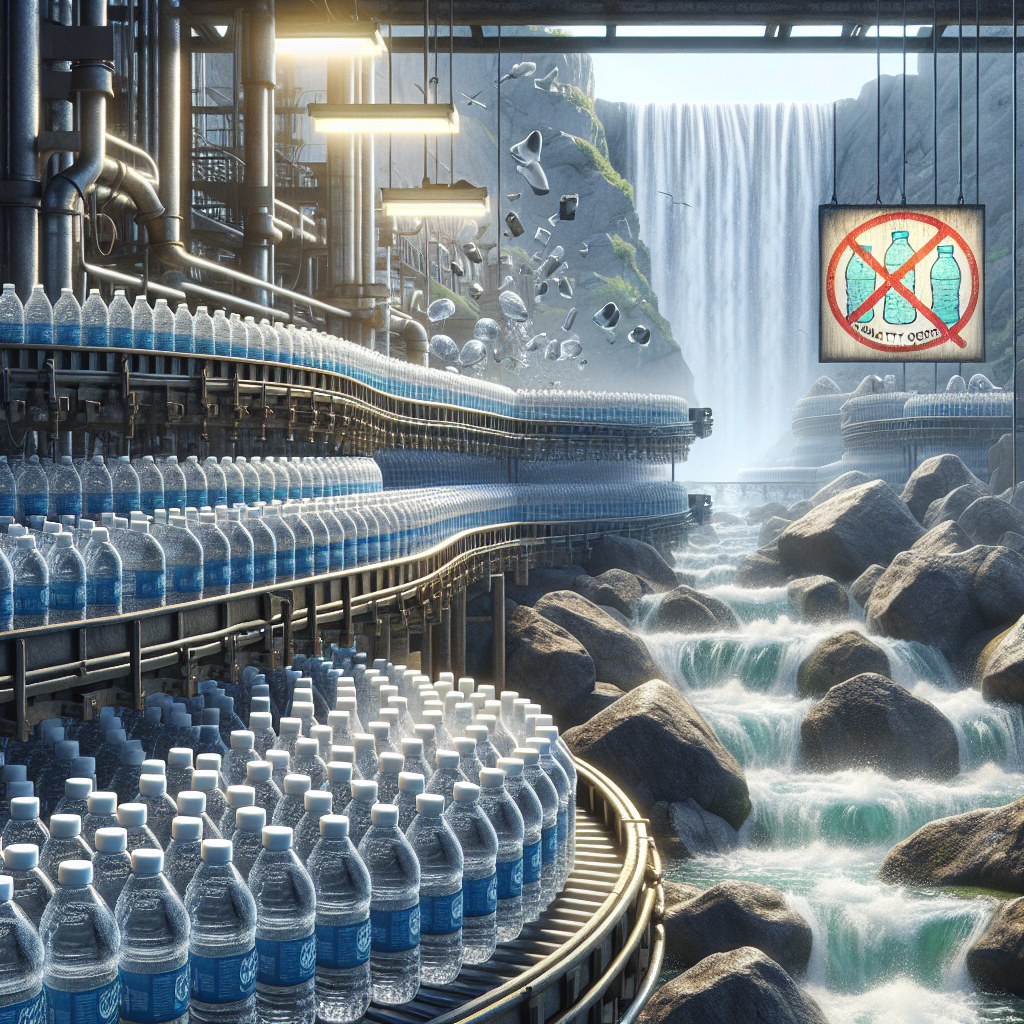
Bottled Water Regulations: Uncovering the Shocking Gaps that Led to Real Water’s Downfall
Bottled water regulations often promise safety and quality. However, the unsettling reality reveals shocking lapses, exemplified by the downfall of Real Water. As we delve deeper, we’ll uncover how these regulatory gaps endanger public health and trust.
Understanding Bottled Water Regulations
Bottled water is governed by standards designed to ensure safety and quality. Primarily managed by the Food and Drug Administration (FDA) in the United States, these regulations dictate labeling, manufacturing processes, and water quality. However, the lack of stringent oversight can create significant issues.
The regulations require compliance with health-based standards similar to the Environmental Protection Agency’s regulations for tap water. However, due to limited resources, the FDA often struggles to enforce these standards consistently. Without thorough testing and inspection, potential hazards remain undetected.
The Alarming Gaps in Bottled Water Regulations
The discrepancies within bottled water regulations become evident when we examine areas like source approval, label accuracy, and contamination testing. Unlike tap water, which is frequently tested, bottled water only requires testing less often, allowing contaminants to settle unnoticed for extended periods.
Moreover, the FDA does not mandate that companies disclose water sources, a disparity that can leave consumers in the dark about the origins of their water. The lack of consistent lab testing for bottled water heightens the risk of pathogens or contaminants slipping through unregulated channels. This exact scenario played out with Real Water, leading to tragic consequences.
Real Water’s Downfall: A Case Study
Real Water faced a significant scandal due to liver failure among consumers linked to its products. The controversy revealed how inadequacies in bottled water regulations could lead to severe health outcomes. Despite being a popular brand, Real Water failed to uphold safety standards concerning water treatment and source integrity.
Reports indicated that unhealthy levels of certain toxic elements were present in the water. The company’s claims of providing “alkalized” and “healthier” options were misleading and unsubstantiated. The fallout demonstrated the pitfalls of lax regulatory environments and the importance of thorough verification.
Addressing the Source Approval Gap
One critical weakness in bottled water regulations is the approval of water sources. The unregulated sourcing process allows companies to utilize water from dubious origins, increasing contamination risk. Unlike municipal water supplies that require rigorous testing for public safety, bottled water sources might not undergo strict scrutiny.
The scandal involving Real Water underscores the need for tighter control over water sourcing. Companies should be mandated to provide detailed reports that confirm a source’s safety and purity. Proactively tightening source approval could significantly reduce the chances of contamination.
Labeling and Consumer Awareness
Another area that exposes the bottleneck in bottling regulations is the labeling of bottled water. Consumers trust labels for accurate information about what they’re drinking. Unfortunately, the shortage of clear guidelines leads to misleading claims. Real Water contrasted this trust, showcasing the effects of false advertising.
Empowering consumers through improved labeling standards can enhance transparency. Accurate source information, detailed mineral content, and treatment processes should be visible on all bottled water products. This initiative will help consumers make informed decisions about their purchases.
Stricter Contamination Testing Protocols
A major shortcoming in prevailing bottled water regulations is the inconsistency in contamination testing. Unlike tap water subjected to regular evaluation, bottled water is not obligated to frequent testing, creating potential health risks.
Real Water’s debacle could have been mitigated with stronger contamination protocols. Companies would benefit from mandated routine testing to ensure consumer safety and maintain public trust. This strategy is essential to prevent future health hazards associated with lax inspection practices.
Public Health and Industry Trust
The Real Water crisis accentuates the pressing need to safeguard public health and restore confidence in bottled water. Consumers demand transparency, safety, and integrity from brands they trust for hydration. Bridging the regulatory gaps that permit such lapses is critical.
Greater accountability, rigorous testing, transparent labeling, and reliable sourcing are not just regulatory improvements; they are industry imperatives. With these enhancements, we can prevent future scandals and maintain trust in bottled water.
Conclusion: A Call for Regulatory Reform
The situation surrounding Real Water serves as a pivotal lesson on the vulnerabilities within bottled water regulations. Addressing these discrepancies can protect consumers and ensure the reliability of bottled products. Thorough reforms are essential to avoiding potential health crises in the future.
For those concerned about the implications of bottled water regulations related to Real Water, please reach out through the contact page, explore other insightful articles on the blog page, or call 702-385-6000 for further assistance.
References:
1. Food and Drug Administration. “Bottled Water Everywhere: Keeping it Safe.”
FDA Bottled Water
2. Centers for Disease Control and Prevention. “Liver Failure Linked to Alkaline Water: What Went Wrong?”
CDC Liver Failure Alert
3. Environmental Protection Agency. “Ground Water and Drinking Water: Regulations.”
EPA Water Regulations