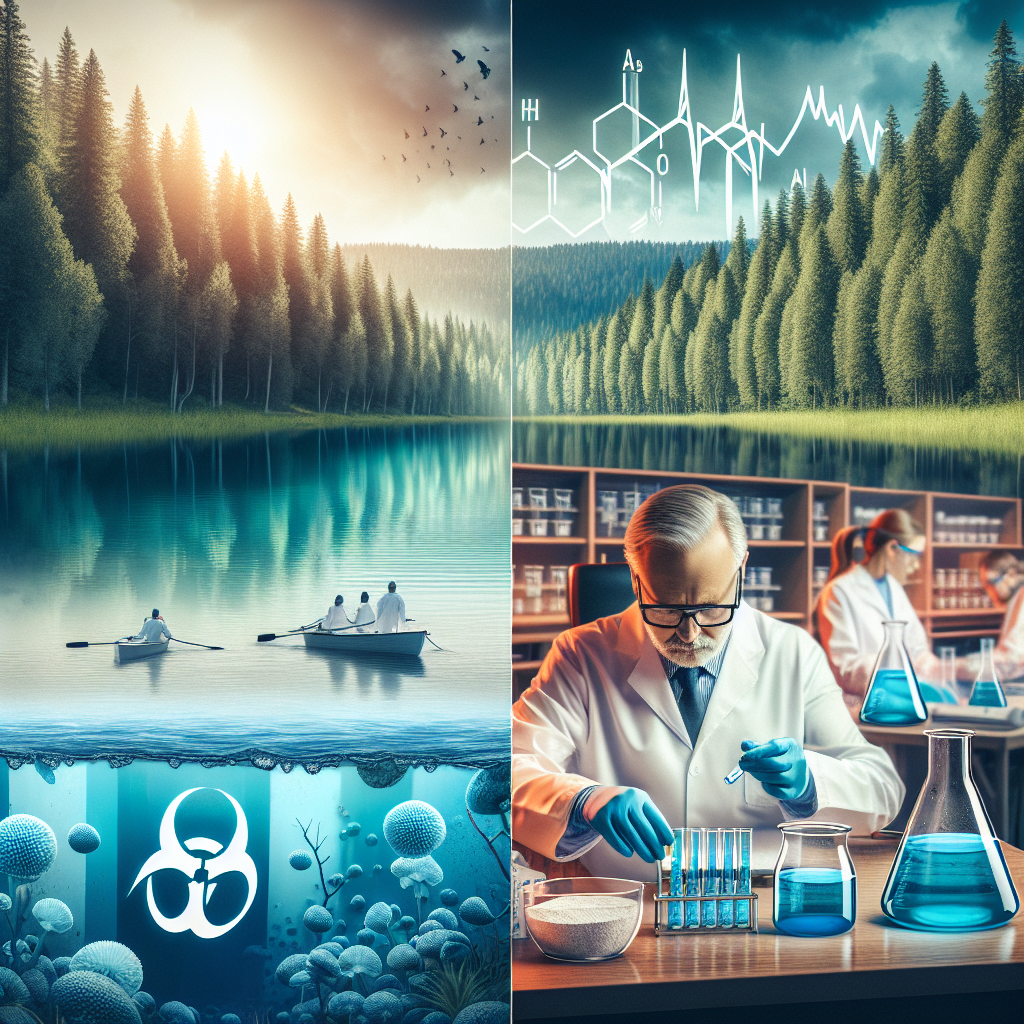
ALS Risk: Understanding the Impact of Raw Treated Water
Raw treated water is fast becoming a hot topic, especially as concerns rise about its connection to various health issues. One of the most debated links is between this type of water and the risk of developing ALS, or amyotrophic lateral sclerosis. Understanding this connection involves diving into the details of both raw treated water and the neurological disorder itself.
What is Raw Treated Water?
Raw treated water refers to water that undergoes minimal purification from its natural state. Unlike fully processed potable water, which involves extensive filtration and chemical treatment, raw treated water often retains many of its original impurities and microbial contents. Advocates claim that it contains beneficial minerals and elements lost in over-treated water, but the potential hazards are what draw concern.
In recent years, the trend of drinking minimally processed water has gained momentum among those seeking more “natural” lifestyle choices. However, it raises significant questions regarding its safety, especially concerning diseases such as ALS.
Connection Between Raw Treated Water and ALS Risk
Amyotrophic lateral sclerosis, commonly known as ALS or Lou Gehrig’s disease, is a progressive neurological disorder that affects nerve cells in the brain and spinal cord. The disease causes a gradual deterioration of motor neurons, leading to muscle weakness, loss of motor function, and eventually, paralysis.
There is ongoing research into the various environmental and genetic factors that might influence the development of ALS. Investigations have widened to consider whether raw treated water could contribute to this risk, given recent cases where clusters of the disease correlated with consumption of such water.
Examining the Evidence
The discourse around waterborne contaminants and their health impacts is not new, but connections to ALS in particular are gaining attention. Studies have found potential links between exposure to toxins that can be present in less rigorously treated water and neurological damage. For example, certain cyanobacteria found in water sources are known to produce harmful substances like Beta-Methylamino-L-alanine (BMAA), which has been associated with neurodegenerative diseases.
According to research published in Environmental Health Perspectives, there is evidence suggesting that BMAA exposure might increase the likelihood of developing ALS. This amino acid has been found in higher concentrations in areas where ALS is more prevalent, indicating the need for further studies to establish causation definitively.
The Debate Over Raw Treated Water Usage
Proponents of raw treated water argue that it offers a more natural hydration option, potentially richer in minerals and devoid of chemicals used in conventional water processing. However, the concern lies in the balance between beneficial minerals and harmful pathogens or toxins.
The natural state of raw treated water makes it susceptible to carrying bacteria, viruses, and other pollutants from its source. Unlike regulated water supplies, which undergo rigorous safety checks, raw treated water varies widely in quality and safety from one source to another.
Public Health Perspective on ALS Risk
Authorities like the Centers for Disease Control and Prevention (CDC) emphasize the importance of ensuring water safety, highlighting potential dangers of consuming inadequately treated water. While the direct link between raw treated water and ALS requires more definitive studies, the presence of other health risks is well-documented and concerning.
Personal and Community Action Steps
While more research is needed, individuals and communities can take proactive measures to protect themselves. Ensuring access to safe drinking water through reliable filtration systems is one effective strategy. Additionally, raising awareness about the potential risks associated with raw treated water can empower individuals to make informed decisions.
Educational initiatives can also play a role, guiding people on recognizing symptoms of neurological disorders early, as early intervention remains critical in managing diseases like ALS. Engagement with local health departments for better water testing and compliance with safety standards is another pillar in safeguarding community health.
Conclusion: Making Informed Choices
Navigating the complexities around raw treated water and ALS risk demands careful consideration. While the appeal of natural alternatives is understandable, the priority must always be health and safety. Encouraging comprehensive research will be key in understanding the full implications.
For those concerned about ALS or seeking more information on this subject, it’s crucial to reach out to experts who can provide guidance based on the latest findings and recommendations. If you or someone you know is affected or suspect potential exposure risks, contacting professionals for advice and undertaking appropriate medical consultation is advisable.
For more personalized guidance on issues relating to ALS and risks connected with raw treated water, we encourage you to visit our contact page, explore our detailed blog entries, or call us at 702-385-6000. Your health and well-being are paramount, and taking the right steps can make a significant difference.