Bottled Water Safety: A Critical Guide to Avoiding Harmful ALS Contaminants
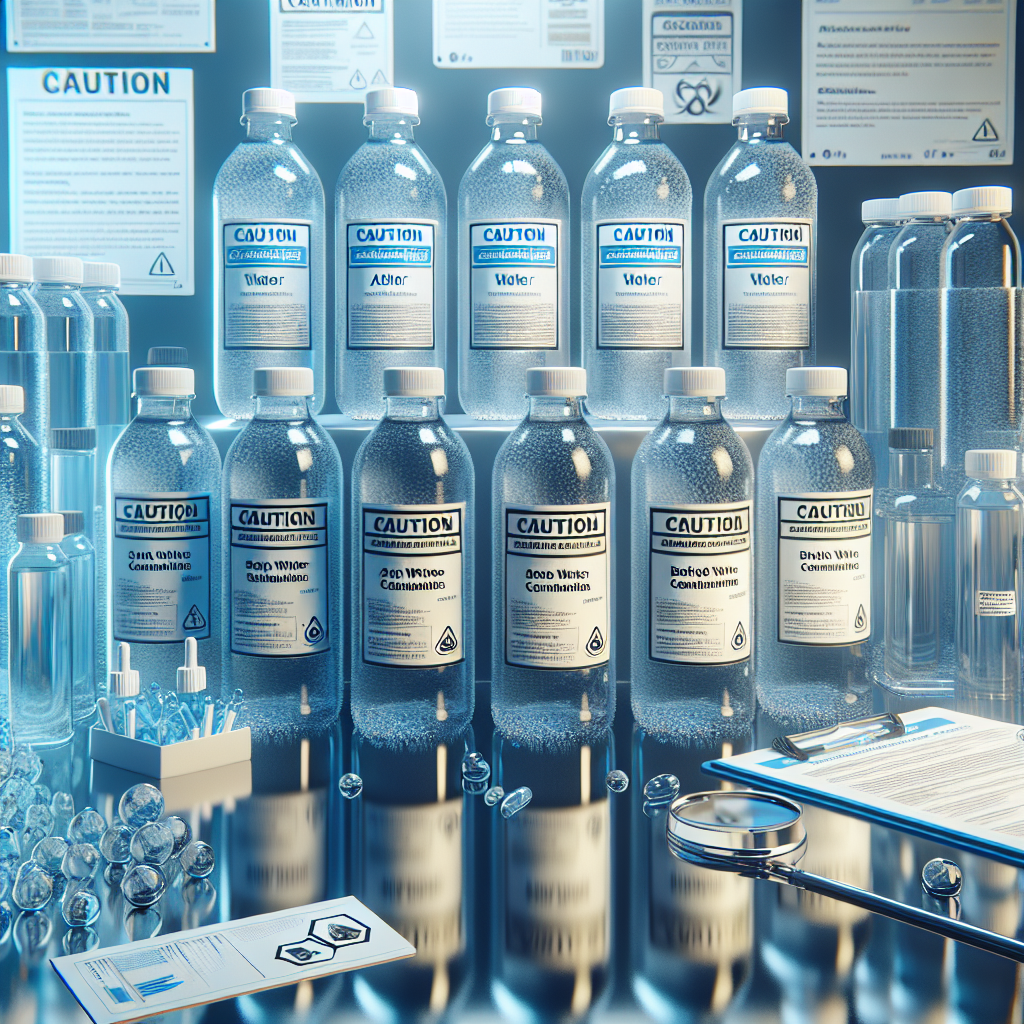
Bottled water safety has become a significant concern for many individuals as awareness of harmful contaminants, such as those potentially linked to ALS (Amyotrophic Lateral Sclerosis), continues to grow. Ensuring the water we consume is free from dangerous substances is more important than ever. As consumers, understanding how to protect ourselves from these risks can make a considerable difference in our health.
Understanding ALS Contaminants in Bottled Water
Bottled water safety hinges on being aware of possible ALS contaminants. ALS is a neurodegenerative disease impacting nerve cells in the brain and spinal cord. While its precise cause remains largely unknown, research suggests environmental factors may play a role. Contaminants sometimes present in water, such as heavy metals and other toxins, have been a subject of study regarding their potential connection to ALS.
These substances can enter water through various means, including industrial pollution, agricultural runoff, and natural deposits in the earth. Consumption of water containing even trace amounts of these contaminants over time might elevate health risks.
The Prevalence of Contaminants in Bottled Water
Many consumers assume bottled water is safer than tap water, but studies have shown this isn’t always the case. According to the Environmental Working Group (EWG), bottled water can contain contaminants like arsenic, lead, and mercury, all of which raise significant health concerns. The key issue lies in the regulation and monitoring of bottled water quality.
While tap water is subject to strict regulations by the Environmental Protection Agency (EPA) in the U.S., bottled water is regulated by a different set of standards managed by the Food and Drug Administration (FDA). These standards are often less rigorous, allowing room for inconsistencies in safety and quality. This lack of stringent oversight emphasizes the need for consumers to be vigilant in their choices.
Identifying Safe Bottled Water Brands
Bottled water safety involves choosing brands that prioritize transparency and rigorous testing. Research is crucial for making informed decisions. Look for brands that openly share information about water sources, filtration processes, and testing results. Often, those conducting regular third-party tests and publishing the findings are considered more reliable.
Some brands obtain their water from protected natural springs, which decreases the likelihood of contamination from industrial pollutants or agricultural runoff. Additionally, opting for brands with certifications from recognized health and safety organizations can enhance assurance regarding safety.
Steps to Ensure Bottled Water Safety
For individuals concerned about contaminants, there are practical steps to enhance bottled water safety. Here are some useful strategies:
1. Check Labels and Certifications: Always read labels and verify certifications from third-party organizations like NSF International or Underwriters Laboratories, which conduct independent testing on bottled water products.
2. Research Brands: Investigate brands online to view transparency in their water sourcing and testing practices. Some brands provide reports on their websites that illustrate the absence of harmful contaminants.
3. Consider Filtration: At home, using a water filtration system can reduce reliance on bottled water. Many filters on the market can effectively remove various contaminants, offering an extra layer of safety.
4. Stay Informed: Keep up-to-date with the latest research and reports concerning bottled water and contaminants. Awareness is vital for making informed decisions about consumption.
The Role of Consumers and Regulators
Consumers play an essential role in driving change within the bottled water industry. By demanding higher standards and voicing concerns, consumers encourage companies to prioritize health and safety. Additionally, regulators need to implement stricter guidelines and enhance the consistency of quality checks across the industry.
Recent legislative efforts aim to strengthen the standards governing bottled water, providing consumers with safer choices. Advocacy for these efforts is crucial in ensuring comprehensive protections against potential contaminants linked to diseases such as ALS.
Conclusion
Understanding bottled water safety and the risks associated with ALS contaminants is crucial for every consumer. By being aware and proactive, one can make informed decisions that lessen exposure to harmful substances. Remaining vigilant and asking questions about water sources and safety standards can significantly impact well-being.
For those concerned about ALS and water safety, it’s important to further explore reliable sources, ask questions, and stay updated. Visit our contact page for further inquiries about your ALS and Real Water case, read more articles on our blog page, or call us at 702-385-6000 for support and information.
References
1. Environmental Working Group – Bottled Water Report
2. National Institutes of Health – ALS Environmental Factors
3. FDA – Bottled Water Regulations