Unveiling the Truth About Real Water Acute Liver Failure: Shocking Findings Revealed
Real Water acute liver failure is a concerning health issue that has recently made headlines, capturing the attention of consumers and health professionals alike. This unexpected crisis revolves around a popular brand of alkaline water that was marketed as a “healthy” alternative. Instead, this product led to serious health complications, causing acute liver failure in some consumers. To understand the depth of this issue, it’s essential to explore the events, the impact on public health, and what comes next.
The Rise and Fall of Real Water
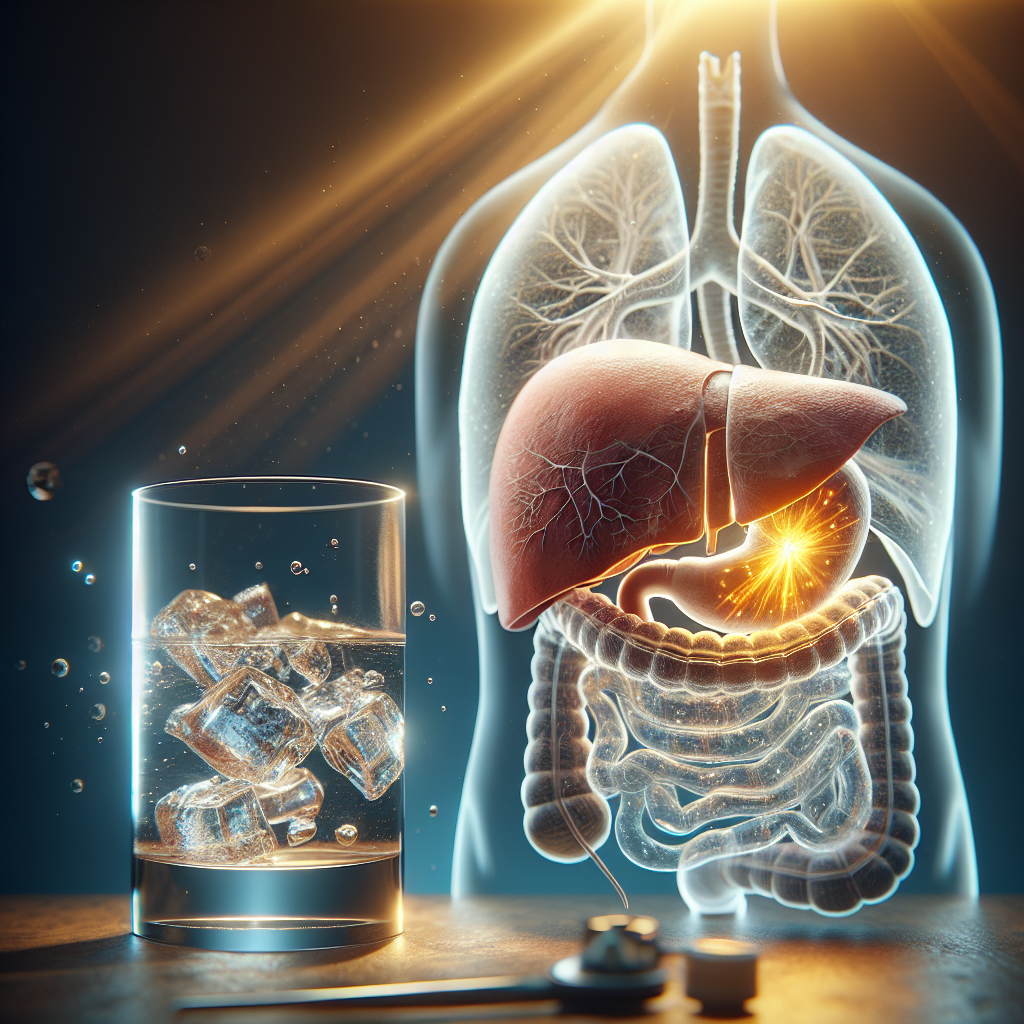
Real Water initially gained popularity due to claims of providing superior hydration and promoting better health through its unique alkalinity. Marketed as a solution for detoxification, its allure attracted many health-conscious individuals. However, the rapid ascent of this brand met an equally swift downfall when cases of liver damage surfaced.
Reports emerged from various states, but Nevada became the focal point of investigations. The Centers for Disease Control and Prevention (CDC), along with the U.S. Food and Drug Administration (FDA), began to examine this alarming trend closely.
Real Water Acute Liver Failure: Understanding the Connection
Acute liver failure is a severe, life-threatening condition characterized by the rapid loss of liver function. Symptoms may include jaundice, fatigue, gastrointestinal bleeding, and more. The link between Real Water and acute liver failure stirred significant concern among consumers. Investigators discovered that the contamination causing these health issues was likely linked to the production process or ingredient sourcing.
According to the CDC and FDA, individuals affected reported symptoms shortly after consuming Real Water products. This connection prompted an immediate response, leading to the recall of the product and halting its distribution.
Impact on Public Health and Safety
The Real Water crisis underscores broader issues about food safety and consumer protection. With five cases of liver failure linked to this product, including children and adults, the situation illuminates potential gaps in regulatory oversight and the need for stringent quality control measures in the beverage industry.
The ramifications of this outbreak extend beyond those directly impacted. The anxiety and uncertainty caused by potentially harmful products reaching the marketplace have increased public distrust in health-related marketing claims. Consumers now demand transparency and accountability from manufacturers to ensure similar incidents do not recur.
Investigative Findings: What Went Wrong?
One of the most critical aspects of this situation is understanding what specifically went wrong during the production of Real Water. The investigation revealed inadequate safety protocols and possible contamination during the manufacturing process. Contaminants that can lead to health issues are often introduced through impurities or errors during bottling and mixing.
As the investigation unfolded, regulators focused on the company’s failure to adhere to essential testing protocols, raising questions about practices followed by similar brands. The results prompted deeper scrutiny into the entire industry and forced companies to reassess their quality assurance measures.
Alkaline Water: Health Benefits or Risks?
Real Water’s debacle prompts a broader discussion about alkaline water. Proponents of alkaline water advocate for its ability to neutralize body acidity, improve metabolism, and boost energy. Critics argue its benefits are overstated and not supported by substantial scientific evidence. The Real Water case serves as a reminder that consumers should remain skeptical of health claims that lack robust scientific backing.
Lessons Learned: Moving Forward After Real Water Acute Liver Failure
In the wake of this distressing episode, it’s crucial for regulatory bodies and manufacturers to adopt comprehensive measures that ensure public safety. Here are some takeaways:
1. Strict Compliance with Safety Standards: Regulatory agencies must enforce stringent safety standards to prevent future incidents. Regular audits and inspections can help maintain these standards across the industry.
2. Enhanced Consumer Awareness: Increasing consumer education about product safety can empower individuals to make informed choices. This includes understanding product labels and being aware of potential health risks associated with different products.
3. Improved Transparency and Communication: Manufacturers should commit to transparent communication regarding their processes. This includes publicly sharing test results and steps taken to prevent contamination.
4. Encouragement of Scientific Innovation: Encouraging research and development in the food and beverage industry can lead to innovative solutions and safety improvements. Investment in technology that detects contaminants rapidly could significantly mitigate risks.
Conclusion
Real Water acute liver failure represents a critical juncture for food safety and consumer protection. The findings from this case have prompted a reevaluation of industry practices and highlighted the need for rigorous safety measures. By addressing these concerns, we can pave the way for a safer consumer environment.
If you have concerns about this issue or require more information, visit our contact page, explore additional articles on our blog, or call us at 702-385-6000. Remember, your health and safety are our priority.