ALS Technology Aids: Essential Tools for Greater Independence
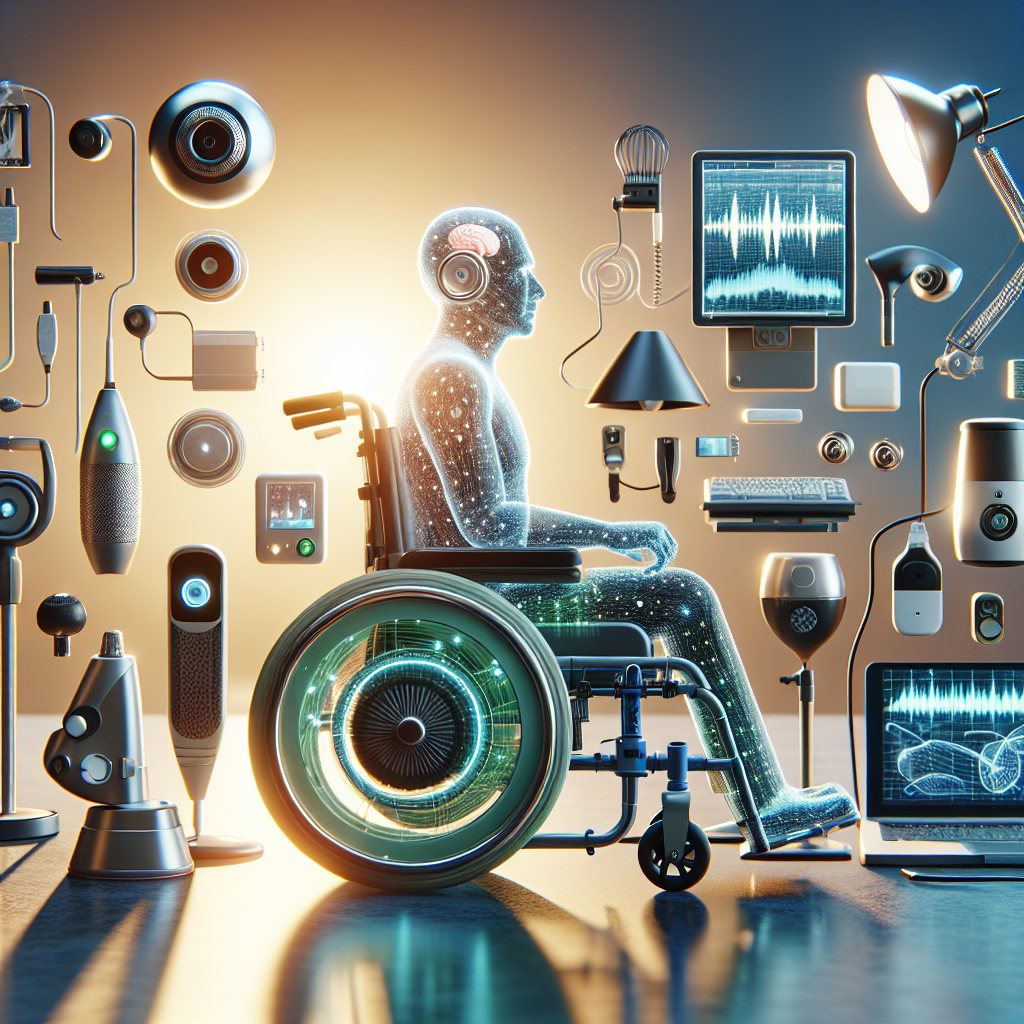
Living with Amyotrophic Lateral Sclerosis (ALS) presents unique challenges that can influence one’s ability to lead an independent lifestyle. ALS technology aids play a vital role in bridging the gap between limitation and freedom. These technology advancements are crafted to enhance the quality of life, giving individuals greater agency over their daily activities.
Understanding ALS and Its Challenges
ALS is a progressive neurodegenerative disease that affects nerve cells in the brain and spinal cord. As it progresses, individuals experience muscle weakness, loss of motor skills, and difficulty in speech, swallowing, and breathing. Such challenges significantly impede independence, but with the help of specialized technology, navigating daily life becomes less daunting.
How ALS Technology Aids Foster Independence
Adaptations and technological innovations are crucial for those living with ALS. Here are some essential aids that empower users:
1. Communication Devices
– Augmentative and Alternative Communication (AAC) Devices: These include speech-generating devices which allow users to communicate via text-to-speech functions. Popular manufacturers like Tobii Dynavox offer eye-tracking technology, enabling communication with minimal physical effort.
– Voice Banking Software: Individuals can record their voices for future use, preserving personal vocal characteristics for those who may lose the ability to speak.
2. Mobility Solutions
– Power Wheelchairs: Equipped with functionalities like sip-and-puff or joystick controls, these are tailored to the user’s specific needs, facilitating mobility both indoors and outdoors.
– Smart Home Integration: Wheelchairs integrated with smart technology can control home devices like lights and thermostats, increasing autonomy within the living space.
3. Home Adaptations
– Accessible Bathroom and Kitchen Designs: Modified spaces with adjustable fixtures, grab bars, and lowered countertops ease daily activities.
– Environmental Control Units (ECUs): Allow users to control various devices and appliances using simple interfaces, enhancing independence in managing home environments.
Advanced ALS Technology Aids
As technology evolves, so does its potential to improve lives:
1. Brain-Computer Interface (BCI)
BCI technology enables individuals to control devices and communicate using brain signals. Though still developing, this revolutionary aid shows immense promise for those with severe physical limitations.
2. Exoskeletons
Offering support and mobility, exoskeletons assist with standing and walking, potentially improving overall strength and function, thus enhancing independence.
Choosing the Right ALS Technology Aids
Selecting suitable aids involves a personalized approach, considering the specific needs, progression level, and lifestyle of the individual. Collaborating with healthcare professionals ensures the most appropriate and effective solutions are chosen. Consultation and trials of devices can help assess their compatibility and comfort before making commitments.
Financial Considerations and Support
The cost of ALS technology aids can be significant, but various avenues are available to support these investments:
– Insurance Coverage: Many insurance plans offer partial or full coverage for essential aids upon meeting specific criteria.
– Non-profit Organizations: Grants and donations through organizations such as the ALS Association can alleviate financial burdens.
– Government Assistance Programs: Explore programs like Medicare and Medicaid for potential coverage options.
Living Independently with ALS Technology Aids
These aids not only facilitate daily living but also significantly improve mental well-being and social engagement. The positive impact of technology on autonomy allows individuals to continue enjoying hobbies, communicating with loved ones, and participating in social activities. Encouragement to adopt these tools can lead to a significant boost in confidence and morale.
Conclusion
ALS technology aids have transformed the landscape of independence for those living with this challenging condition. From communication devices to advanced BCIs, the innovations continue to evolve, providing more customized and effective solutions.
For those navigating the complexities of ALS, understanding and accessing these aids is crucial. If you or a loved one is seeking assistance, reach out about your ALS and Real Water case through our contact page. To explore more related content, visit our blog page. For immediate assistance, call us at 702-385-6000.
References
– Tobii Dynavox
– ALS Association
– Brain-Computer Interface
– Medicare