ALS Technology Aids: A Stunning Independence Boost
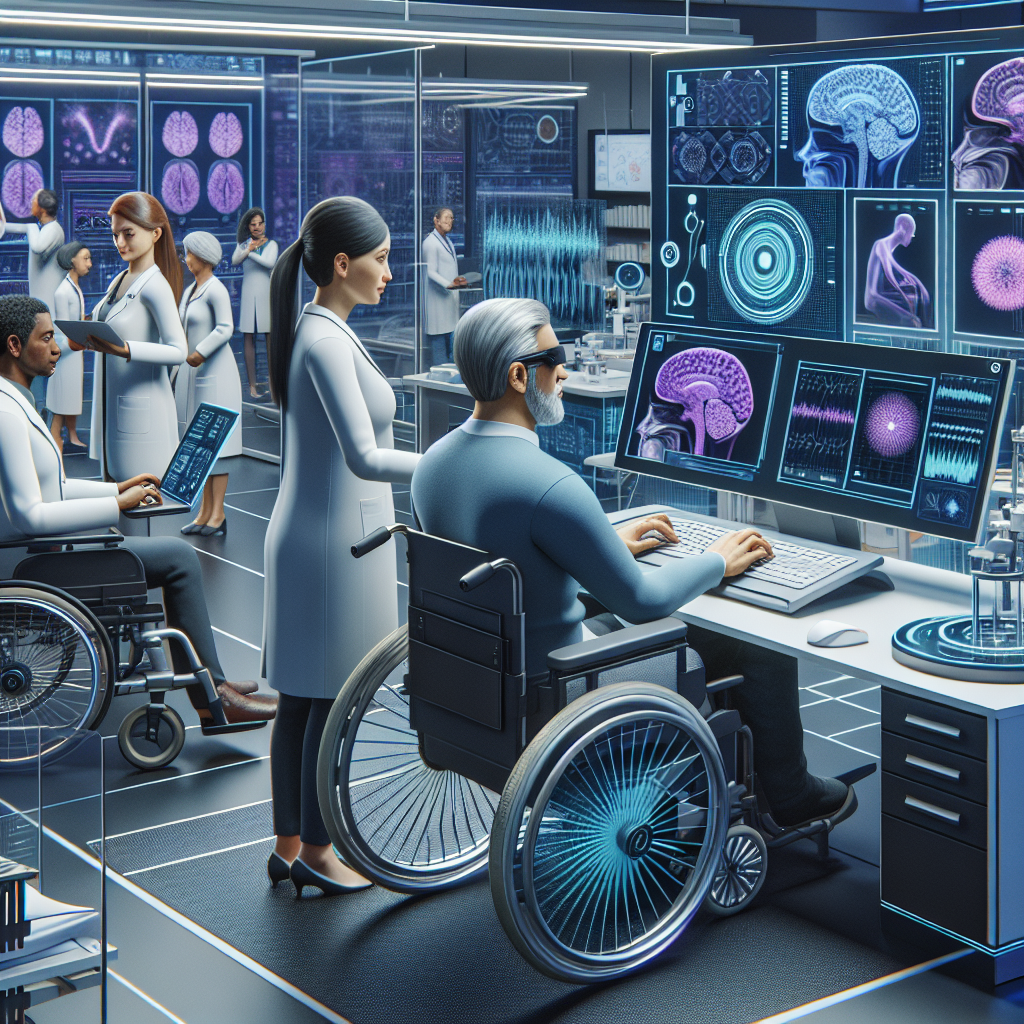
ALS technology aids have transformed the lives of individuals living with Amyotrophic Lateral Sclerosis (ALS), a progressive neurodegenerative disease. As the disease advances, it takes a significant toll on motor functions, leading to challenges that threaten quality of life and independence. However, technological advancements have been pivotal in redefining how people with ALS manage their daily lives, offering them enhanced autonomy and improved quality of life.
Understanding ALS and Its Challenges
ALS, also known as Lou Gehrig’s disease, is known for its brutal impact on voluntary muscle movements. The condition leads to muscle weakness and atrophy due to the degeneration of motor neurons. As ALS progresses, simple tasks such as speaking, walking, and eating become increasingly difficult, posing profound challenges to independence.
But thanks to modern innovations, ALS technology aids have emerged as a vital resource. These aids are designed to assist with communication, mobility, and everyday tasks, empowering individuals to navigate their world with increased ease and confidence.
The Role of Communication Devices
Communication is a fundamental human need, and for individuals with ALS, retaining the ability to communicate can significantly affect their emotional well-being and independence. Voice amplification devices and advanced speech-generating devices (SGDs) are pivotal in this realm. SGDs allow users to convert text or symbols into spoken words, bypassing traditional speech mechanisms affected by ALS.
Eye-tracking technology can empower those with severe speech limitations. By tracking the users’ gaze, these systems enable communication through eye movements, providing a profound sense of connection and independence.
Mobility Solutions: Enhancing Movement
While mobility may diminish with the progression of ALS, technology has stepped in to provide feasible solutions. Electric wheelchairs equipped with advanced user interfaces and joystick controls offer a degree of movement and autonomy that manual alternatives cannot. Some wheelchairs incorporate eye-tracking or headgear controls, allowing users to operate them without hand movements.
Exoskeleton technology, though still in its nascent stages for ALS applications, promises a future where assisted walking could become a reality. These wearable robotic devices support and enhance limb movement, potentially providing mobility-impaired individuals with newfound freedom.
Home Automation and Control
Modern home automation systems provide additional comfort and control for those with ALS. Smart home devices allow for the operation of lighting, thermostats, and entertainment systems through voice commands or mobile applications. This level of control contributes significantly to an individual’s autonomy within their living space.
Also, remote monitoring systems can alert caregivers and medical professionals about any emergencies, ensuring rapid response when required, thereby offering peace of mind to both users and their families.
Assistive Software: Bridging Barriers
Assistive software applications have broken down barriers to accessibility for individuals with ALS. These programs can be installed on personal devices, transforming ordinary tablets and computers into vital hubs of productivity and communication. Advanced word prediction software, voice-to-text applications, and custom keyboard layouts cater specifically to individual needs, offering a personalized interaction experience.
ALS Technology Aids: Building a Community of Support
The development and implementation of ALS technology aids are often community-driven. Various nonprofits, research institutions, and tech companies are investing in the study and advancement of these aids, ensuring they meet the needs of users. Collaboration among these stakeholders is essential for the continued innovation and accessibility of new solutions.
Psychological Impacts: Nurturing Independence
Beyond physical utility, these aids play a crucial role in nurturing psychological well-being. By providing the means to maintain personal connections and engage in activities independently, they help uphold the dignity and mental health of individuals living with ALS. Independence is intertwined with identity, and preserving it can lead to improved self-esteem and a better overall outlook on life.
The Future of ALS Technology Aids
The future of these aids looks promising, with continuous advancements in AI, machine learning, and robotics paving the way for even more sophisticated solutions. As technology evolves, so too will the methods available to assist individuals with ALS, offering hope for increased independence and reduced caregiving burdens.
Research is ongoing, focusing on enhancing existing solutions and pioneering new ones. Integrating virtual reality into therapy, refining voice recognition technologies, and enhancing sensory-feedback devices are all areas ripe for exploration.
Conclusion: A Collaborative Effort
ALS technology aids have become lifelines for many, enhancing autonomy and improving the quality of life for those affected by the disease. The collective efforts of researchers, developers, and the ALS community promise a future where independence is not a luxury, but a given.
For those seeking more detailed information or interested in exploring personalized ALS solutions, reaching out to experts is highly encouraged. Visit the contact page at “/contact” for direct communication, explore more insightful articles in the “/blog”, or call us at “702-385-6000” to take the next steps in keeping independence within reach.