Real Water Timeline: Must-Know Safety Lessons
The Real Water timeline offers crucial insights into the significant events surrounding this bottled water brand and their shocking implications for consumer safety. Known as an alkaline water product supposedly offering higher pH levels, Real Water found its reputation in jeopardy after being linked to several health issues. This timeline provides an intricate look at the events as they unfolded, offering invaluable lessons on product safety and consumer vigilance.
The Rise of Real Water
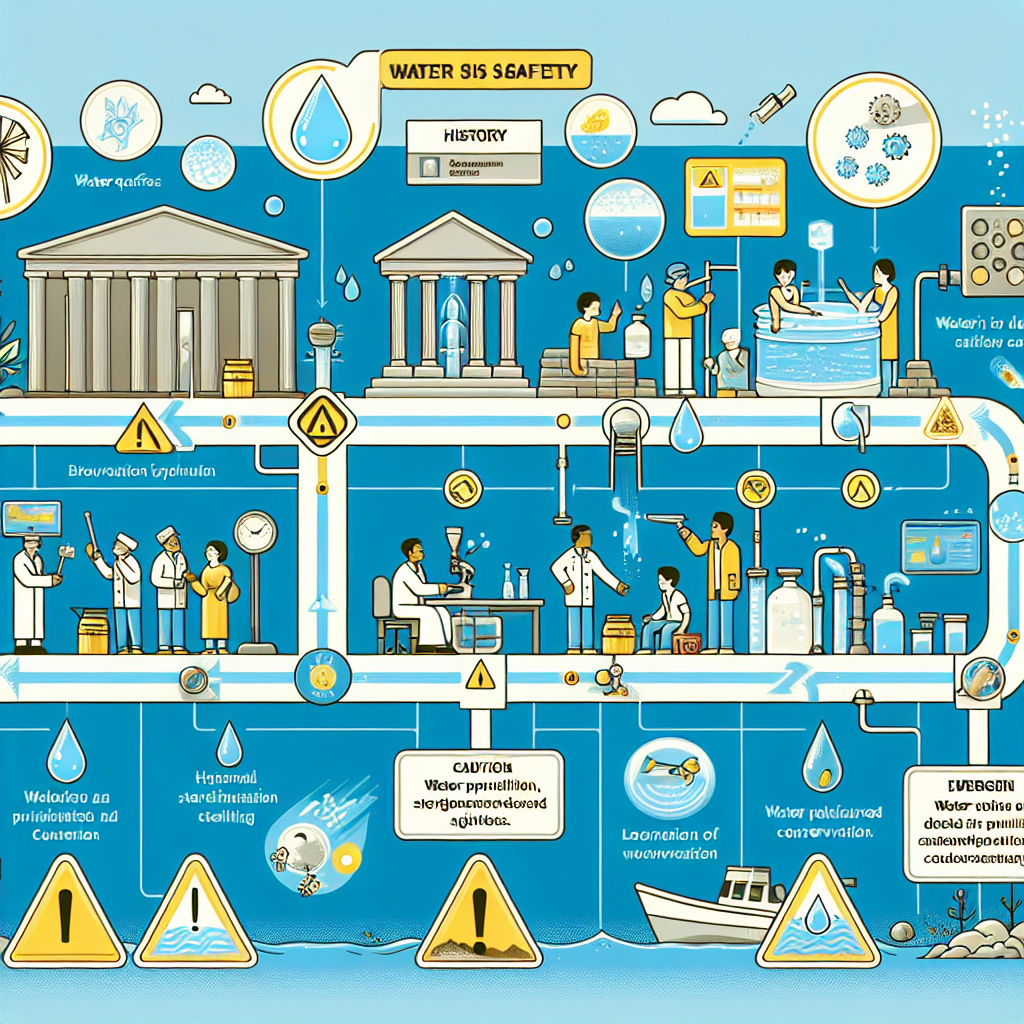
Founded in the early 2000s, Real Water aimed to differentiate itself in the crowded bottled water market by promoting the health benefits of its unique alkalized formula. The product promised to hydrate more efficiently due to its claimed negative ionization, appealing to health-conscious consumers looking for an edge in their dietary habits.
1. 2003: Introduction and Market Expansion
Real Water hit the shelves with an emphasis on innovation. The marketing focused on the supposed benefits of ionized and alkalized water, attracting a niche but growing market of wellness enthusiasts.
2. 2015: Peak Popularity
By this time, Real Water had become a household name in the wellness community. The brand enjoyed a surge in sales, benefitting from endorsements by celebrities and fitness influencers, which boosted its credibility.
Initial Concerns and Investigations
Despite its initial success, the Real Water timeline took a disturbing turn as health complications connected to the product began to surface. These reports were critical in highlighting the importance of stringent safety and quality checks for consumables.
3. 2020: First Reports of Illness
Health concerns began to emerge with cases of acute liver failure suspected to be linked to the consumption of Real Water. These incidents initiated investigations regarding the safety of the company’s production processes.
4. March 2021: Formal Investigation Begins
The FDA launched a formal investigation into the Real Water brand, and retailers were advised to remove the product from their stores. This move underscored the critical role of regulatory bodies in safeguarding public health.
Legal Actions and Public Reactions
The unfolding of events in the Real Water timeline shows the swift legal and public response to food safety threats. It provided a real-world illustration of how consumers can impact corporate accountability.
5. March 2021: Class Action Lawsuits Filed
As the investigation continued, several class-action lawsuits were filed against Real Water. Affected families demanded accountability for their suffering, pushing the legal system to address corporate responsibility.
6. March 2021: Product Recall Announced
In response to mounting pressure, Real Water issued a nationwide voluntary recall of their products. This step was a crucial moment in the timeline, emphasizing the need for immediate action when public health is at risk.
The Lessons Learned: Key Takeaways from the Real Water Timeline
The alarming health repercussions and subsequent events depicted in the Real Water timeline provide critical lessons for both consumers and companies about safety protocols and the importance of transparency.
Stricter Safety Regulations
The Real Water incident stresses the necessity of strong regulatory frameworks. Companies should adhere to rigorous testing and quality certifications to prevent similar future occurrences.
– Importance of Compliance
The incident highlighted lapses in compliance with FDA standards. Businesses should maintain high compliance levels to prioritize consumer health above profits.
– Innovation vs. Safety
While innovation is essential, it should never override the fundamental safety standards. Companies need to balance pioneering products with ensuring they pose no risk to their customers.
Consumer Awareness
Consumers have a vital role in monitoring and demanding product safety, as evidenced throughout the Real Water timeline.
– Vigilance and Skepticism
Shoppers should practice vigilance, especially with new health products, by thoroughly researching and scrutinizing the claims made by brands.
– Reporting Concerns
Reporting adverse reactions to appropriate agencies can lead to quicker investigations and prevent further harm. Consumers are urged to voice their experiences, as early complaints helped shatter the facade of safety painted by Real Water.
Corporate Responsibility
Corporations must acknowledge their duty to ensure customer safety, learning from the Real Water case to prevent similar issues from arising.
– Transparent Operations
Being transparent about product sourcing, manufacturing processes, and safety testing can foster consumer trust.
– Prompt Rectifications
Companies should respond proactively when alerted to potential health risks, taking swift actions rather than deflecting blame.
Moving Forward: A Path to Enhanced Consumer Safety
Analyzing the Real Water timeline reveals the profound implications a single product can have on public well-being. It serves as a cautionary tale that advocates for better consumer protection laws, greater corporate accountability, and heightened public awareness. As we continue to navigate new product inventions and the promise of alternative health solutions, these lessons remain essential.
Readers are encouraged to remain proactive regarding their health and product choices. If you have concerns related to the ALS and Real Water case or seek additional information, please visit our contact page at “/contact”. For more engaging content, discover our blog at “/blog”. For direct inquiries, feel free to call us at “702-385-6000”.