Blue-Green Algae: The Shocking ALS Danger Unveiled
Blue-Green Algae: An Underestimated Threat
Blue-green algae, scientifically known as cyanobacteria, are often regarded with a nonchalant wave of the hand, dismissed as mere pond scum or irritants in water bodies. However, these seemingly innocuous organisms have been thrust into the spotlight due to their potential link to a perilous health concern—amyotrophic lateral sclerosis (ALS). This connection between blue-green algae and ALS danger has spurred a surge of scientific inquiry and public interest, revealing a story of mystery, alarm, and newfound understanding.
What Are Blue-Green Algae?
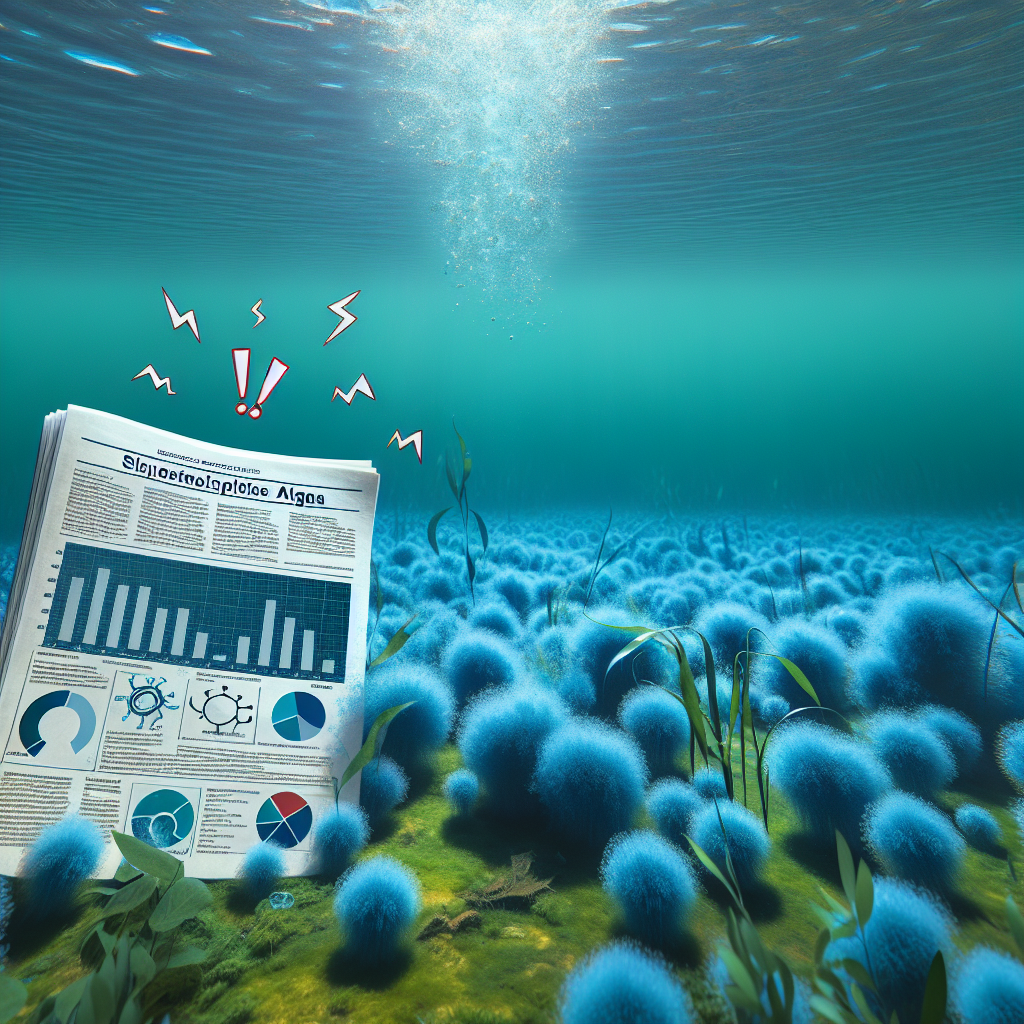
Commonly mistaken for algae, blue-green algae are actually bacteria that have characteristics similar to those of plants. Found in both fresh and saltwater environments, these microorganisms thrive in nutrient-rich bodies of water, blooming with effervescent colors ranging from blue-green to brown. Although they are naturally occurring, human activities such as agricultural runoff and urban pollution have exacerbated their proliferation, creating toxic blooms that pose serious environmental and health risks.
The ALS Connection: Where It All Began
ALS, also known as Lou Gehrig’s disease, is a devastating neurodegenerative condition characterized by the progressive loss of muscle function. The search for ALS’s cause has been as elusive as the disease itself, leading researchers to explore various environmental and genetic factors. The potential link between blue-green algae and ALS danger was first hinted at by studies examining an unusually high incidence of the disease in Guam during the mid-20th century. Subsequent research pointed to BMAA (beta-methylamino-L-alanine), a neurotoxic compound produced by certain cyanobacteria, as a potential culprit.
Deciphering the Mechanism: How BMAA Affects the Nervous System
BMAA’s discovery set off alarm bells in the scientific community. This compound can accumulate in the food chain, ultimately making its way into human diets through seafood or contaminated water sources. Once ingested, BMAA is suspected of interfering with amino acid pathways, tricking proteins into incorporating it instead of safer alternatives like serine. Over time, this can lead to protein misfolding and the eventual death of motor neurons—hallmarks of ALS pathology.
The Evidence So Far
Research into BMAA and its link to ALS danger is still ongoing, but several key studies support a cautionary approach. Animal models have demonstrated clear neurotoxic effects of BMAA exposure, and human studies have identified higher levels of this compound in the brains of ALS patients compared to non-afflicted individuals. While these findings are compelling, they remain part of a complex puzzle with pieces yet to be appropriately fitted together.
Broader Impacts: Environmental and Health Concerns
The presence of blue-green algae isn’t just a potential danger due to BMAA. These blooms are notorious for producing a suite of other toxins, posing a threat to aquatic life, pets, and humans. They can cause skin irritations, gastrointestinal distress, and in severe cases, lead to liver damage or respiratory issues. Therefore, the ALS connection is just one of many reasons why blue-green algae warrant close monitoring and control.
Managing the Threat: Local to Global Responses
Awareness of the potential risks posed by blue-green algae has led to a multi-pronged approach to managing these blooms. Local authorities often monitor water bodies, issuing advisories and guidance on safe water usage. Globally, scientists are focusing on advanced detection techniques, developing innovative technologies to identify and mitigate these blooms before they reach harmful levels.
Drinking Water Safety
For municipal water supplies, treatment solutions include advanced filtration and UV light disinfection, ensuring any toxic residues or spores are effectively removed. Educating the public on recognizing and avoiding contaminated water bodies is equally crucial, reducing the likelihood of accidental exposure.
Lifestyle Considerations: Protecting Yourself and Loved Ones
Considering the potential ALS danger presented by blue-green algae, individuals can take proactive steps to safeguard themselves:
1. Stay Informed: Keep abreast of local advisories about water safety, especially during warm months when blooms are more likely.
2. Be Cautious with Water Recreation: Avoid swimming or partaking in water sports in areas known to be affected by algae blooms.
3. Water Consumption: Ensure that your drinking water is from a clean source and consider using home filtration systems for added protection.
4. Community Involvement: Engage in community efforts to monitor and report suspicious algae activity, contributing to broader public safety measures.
The Road Ahead: Research and Advocacy
While the current understanding of the relationship between blue-green algae and ALS danger is incomplete, the pathways for further research are clearly charted. It is essential that the scientific community continues to explore and refine our understanding of BMAA, its presence in the environment, and its effect on human health. Advocacy for safer water management practices and increased funding for ALS research are vital to addressing this potential environmental trigger.
Conclusion
The revelation of a potential link between blue-green algae and ALS danger underscores the importance of recognizing environmental impacts on health. As the research progresses, informed choices, proactive measures, and collaborative efforts will be indispensable in mitigating these risks.
For those concerned about ALS and the possible effects of blue-green algae, staying informed and connected is crucial. Please reach out regarding your ALS and Real Water case by visiting our contact page at “/contact”, explore more articles on our blog at “/blog”, or call us at 702-385-6000 for direct assistance and support.