Phenylephrine Lawsuit: Unveiling the Ineffective Decongestant Fraud
The phenylephrine lawsuit has garnered attention due to allegations surrounding its effectiveness as a decongestant. This widespread controversy has sparked debates within the pharmaceutical industry and among consumers. As people rely on medications to alleviate symptoms, the revelation surrounding phenylephrine’s ineffectiveness has led to significant concerns and legal implications.
Understanding Phenylephrine
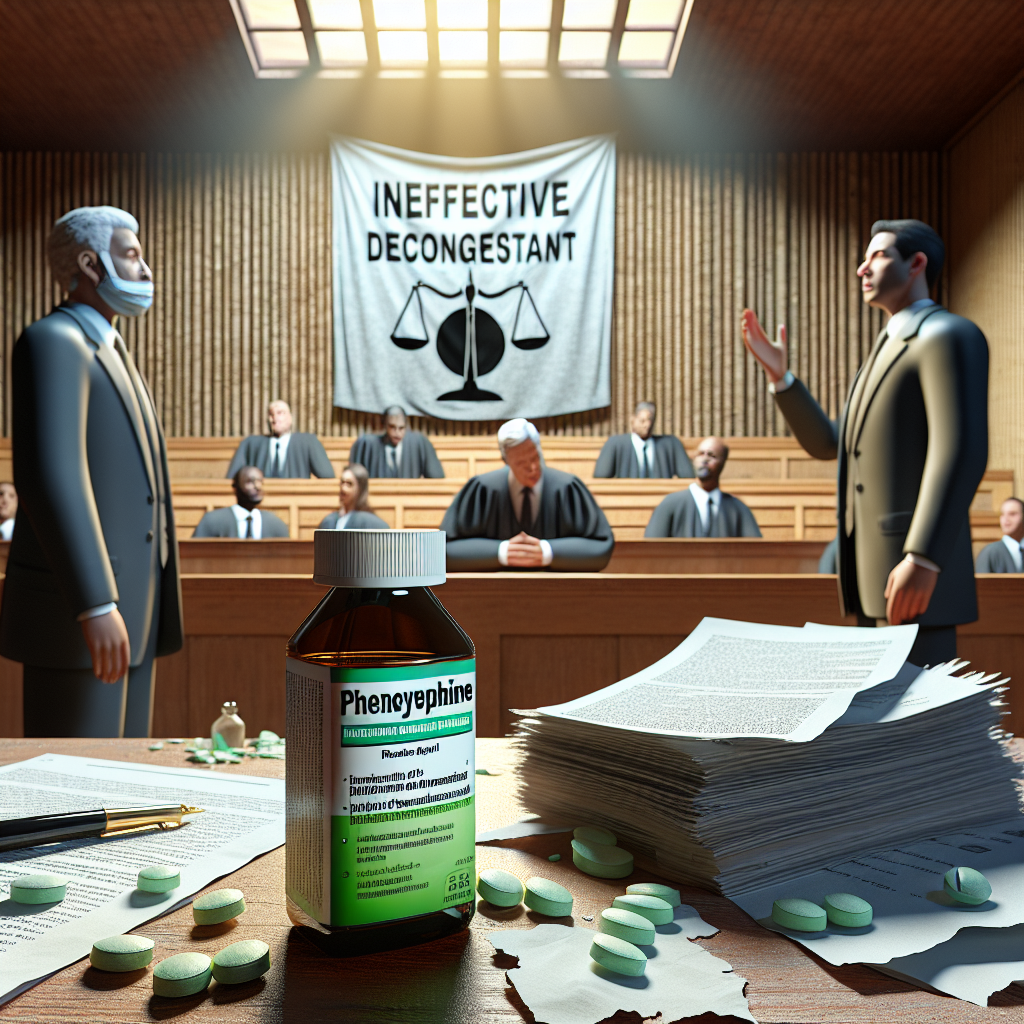
Phenylephrine is a common ingredient in many over-the-counter (OTC) decongestants. Marketed as a remedy for nasal congestion, it is found in popular medications you may recognize on the pharmacy shelf. The active component is intended to constrict blood vessels in the nasal passages, providing relief from congestion.
The Rise of Phenylephrine
Phenylephrine rose to prominence as an alternative to pseudoephedrine, which became subject to regulation due to its misuse in the production of illegal drugs. The transition to phenylephrine seemed the perfect solution at the time, offering a seemingly safer and accessible option for consumers.
Allegations of Ineffectiveness
The core issue at the heart of the phenylephrine lawsuit is its alleged ineffectiveness in providing the decongestant relief consumers expect. Several studies have suggested phenylephrine does not significantly alleviate nasal congestion when taken in recommended doses. This startling revelation has led to a wave of legal actions and consumer dissatisfaction.
Phenylephrine Lawsuit: What You Need to Know
The Legal Landscape
The phenylephrine lawsuit involves multiple claims accusing manufacturers of false advertising and misleading consumers regarding the efficacy of their products. These legal battles aim to hold companies accountable for potential consumer fraud, seeking fair compensation and stricter regulatory oversight.
Stakeholders Involved
– Consumers: Many individuals who relied on phenylephrine-based products feel deceived, having spent money on treatments that may not work as promised.
– Manufacturers: Pharmaceutical companies face legal scrutiny and risk reputational damage as evidence mounts against their claims.
– Regulatory Agencies: Bodies like the FDA are under pressure to reevaluate the approval and regulation of phenylephrine as a safe and effective remedy.
The Science Behind Ineffective Decongestant Claims
Research Findings
Several studies have questioned phenylephrine’s efficacy. In 2007, the FDA was petitioned to reconsider its stance on phenylephrine given emerging data suggesting its limited effectiveness. A 2015 study published in the Journal of Allergy and Clinical Immunology demonstrated minimal difference between phenylephrine and a placebo for congestion relief.
Consumer Impact
The impact on consumers is significant, affecting not only their health but also leading to financial losses. Trust in pharmaceutical brands is being questioned, driving demand for alternatives and transparency in the products they choose.
Phenylephrine’s Market Presence and Consumer Perception
Public Perception
Consumer trust is essential in the healthcare industry. With growing media coverage and legal disputes, public skepticism towards phenylephrine has increased. Many are now turning to alternative treatments or seeking professional medical advice to ensure effective solutions for their symptoms.
Alternatives to Phenylephrine
– Saline Nasal Sprays: These offer a natural option without the side effects associated with medications.
– Humidifiers: Keeping air moist can reduce congestion and improve breathing.
– Nasal Strips: Mechanical methods can also aid in opening nasal passages.
Potential Outcomes of the Phenylephrine Lawsuit
Regulatory Changes
A favorable outcome for plaintiffs could lead to stringent regulations and labeling requirements, ensuring consumers are informed about a product’s effectiveness before purchase.
Financial Repercussions
Companies may face significant financial liabilities, including refunds, compensation claims, and penalties. This could lead to a reevaluation of product lines and future research investments.
Industry Transparency
A lasting impact may be greater transparency across the pharmaceutical sector. Companies could be driven to conduct more rigorous testing and provide clear, honest product information to regain consumer trust.
Conclusion
The phenylephrine lawsuit casts a spotlight on the broader conversation about medication efficacy and consumer rights. The ongoing debate encourages individuals to be more discerning and informed about their health choices. As the legal proceedings unfold, it remains crucial to stay updated on developments and make informed healthcare decisions.
For those affected by similar cases or needing advice, we encourage you to reach out about your ALS and Real Water case. Discover comprehensive insights and updates by exploring more related content. For immediate assistance, call 702-385-6000.
References
– FDA Drug Safety Communication: Clarification not needed.
– Research on Allergy and Clinical Immunology.
– Consumer Updates on Over-the-Counter Medications.