ALS Progression Stages: Must-Have Advanced Breathing Support
ALS progression is a challenging journey for those diagnosed with Amyotrophic Lateral Sclerosis. This neurodegenerative disease affects motor neurons, leading to muscle weakness and loss of control over voluntary muscles. Breathing, a fundamental process often taken for granted, becomes increasingly difficult as the disease advances. Understanding the stages of ALS and the breathing support necessary at each phase is crucial for patients and caregivers alike.
Understanding ALS Progression
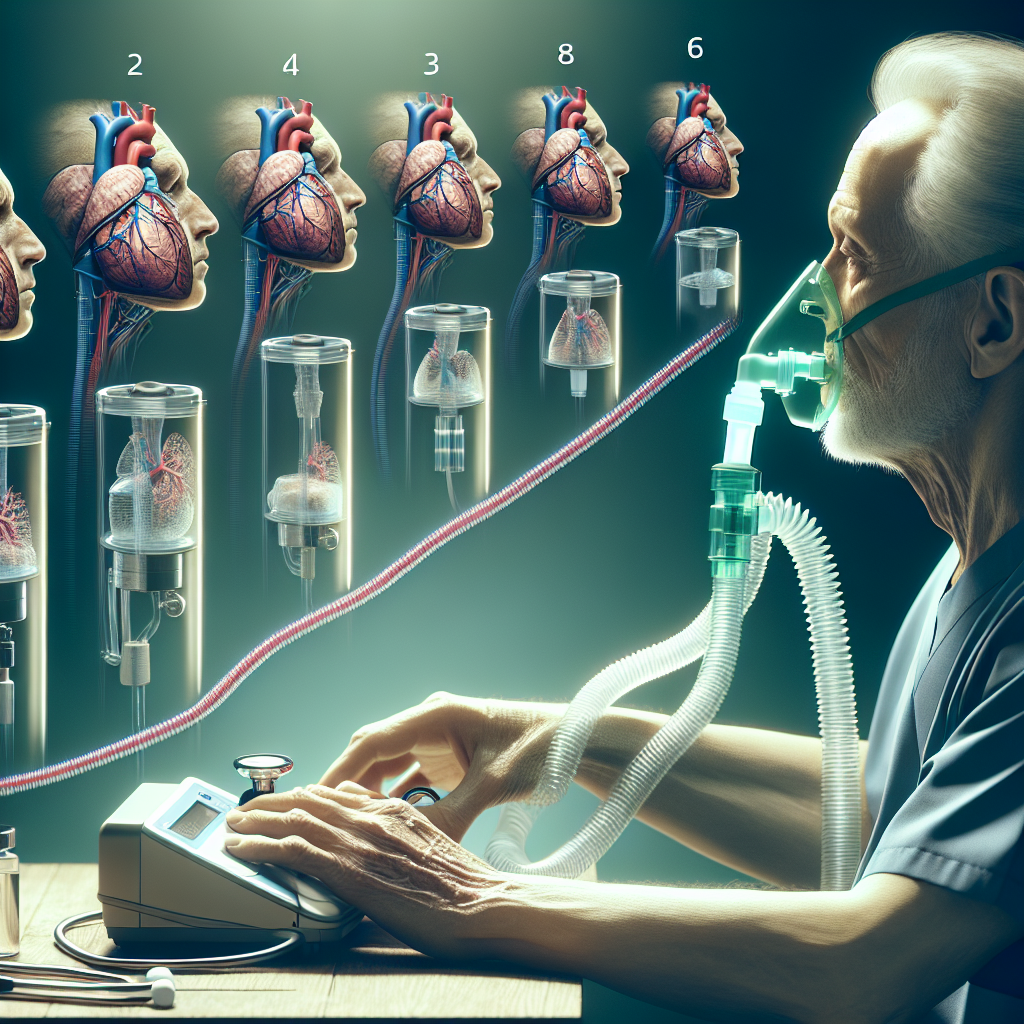
Before diving into the necessity of advanced breathing support, it’s essential to comprehend the progression stages of ALS. The disease typically progresses through identifiable stages, each characterized by specific symptoms and challenges. Recognizing these stages can aid in timely intervention and better management of the disease.
Early Stages of ALS
– Muscle Weakness: Initially, patients experience muscle weakness, particularly in the limbs.
– Fasciculations: Involuntary muscle twitches may appear.
– Fine Motor Skill Challenges: Difficulty with tasks needing precise hand movements, such as buttoning shirts or writing, becomes noticeable.
Middle Stages of ALS Progression
As ALS advances, symptoms become more pronounced:
– Severe Weakness: Muscle weakness spreads to other areas, often affecting speech and swallowing.
– Spasticity: Rigid or stiff muscles can lead to tightness and cramps.
– Diminished Respiratory Function: Breathing may become laborious as respiratory muscles weaken.
Late Stages of ALS Progression
– Loss of Voluntary Muscle Control: Most voluntary muscles lose their function.
– Respiratory Failure: This stage often necessitates advanced breathing support.
– Total Loss of Mobility: Patients may become completely dependent on caregivers.
Importance of Breathing Support in ALS Progression Stages
Breathing support is vital in the management of ALS, particularly as the disease progresses from early to late stages. Recognizing when to introduce these aids can significantly impact the quality of life for those affected.
Early Intervention and Monitoring
– Regular Assessments: Frequent respiratory check-ups help monitor lung function.
– Non-invasive Ventilation (NIV): During early signs of respiratory decline, devices like CPAP or BiPAP can provide support.
Advanced Breathing Support in Middle Stages
Introducing more robust breathing techniques during the middle stages is often necessary. These tools not only support respiration but also help conserve energy.
– Mechanical Ventilation: Transitioning to more invasive methods like tracheostomy may become essential as natural breathing becomes increasingly difficult.
– Cough Assistance Devices: As coughing ability diminishes, these devices help clear airways.
Late Stages: Critical Need for Comprehensive Support
In the late stages, breathing support becomes crucial for survival:
– Ventilators: They play an essential role in maintaining respiratory function.
– Oxygen Therapy: Though not a standalone treatment, supplemental oxygen can offer relief alongside ventilation.
Adapting Lifestyle and Environment
Supporting those with ALS extends beyond medical interventions to include lifestyle adjustments. These changes aid in improving patient comfort and safety.
Home Modifications
– Accessibility Improvements: Installing ramps, stair lifts, or elevators can facilitate movement.
– Bedroom and Bathroom Adjustments: Consider adjustable beds and accessible bathrooms to enhance independence.
Nutritional Support
Nutrition plays an essential role in energy preservation:
– High-Calorie Diets: Ensure adequate caloric intake to prevent malnutrition.
– Easy to Swallow Foods: Focus on pureed or soft foods to accommodate swallowing difficulties.
Emotional and Mental Support
ALS brings not only physical challenges but also emotional strains. Providing mental and emotional support is key for patients and their families.
Counseling and Support Groups
– Professional Counseling: Seek therapy to address emotional and mental wellbeing.
– Community Support Groups: Joining groups with others facing similar challenges can provide encouragement and understanding.
Caregiver Support
– Training and Resources: Equip caregivers with the knowledge and tools to provide the best care possible.
– Respite Care Options: Consider temporary care services to give caregivers necessary breaks.
Conclusion
The journey through ALS progression stages is complex and emotionally intensive. However, understanding and implementing advanced breathing support can make a significant difference in managing the disease. Early diagnosis, timely intervention, and comprehensive care are foundational to improving quality of life for those living with ALS.
Take action now: Reach out about your ALS and Real Water case, Explore more related content, or Call (702) 385-6000 for immediate assistance.
References
– ALS Association
– Mayo Clinic: ALS Overview
– American Lung Association: Breathing Techniques
– Johns Hopkins Medicine: ALS Care