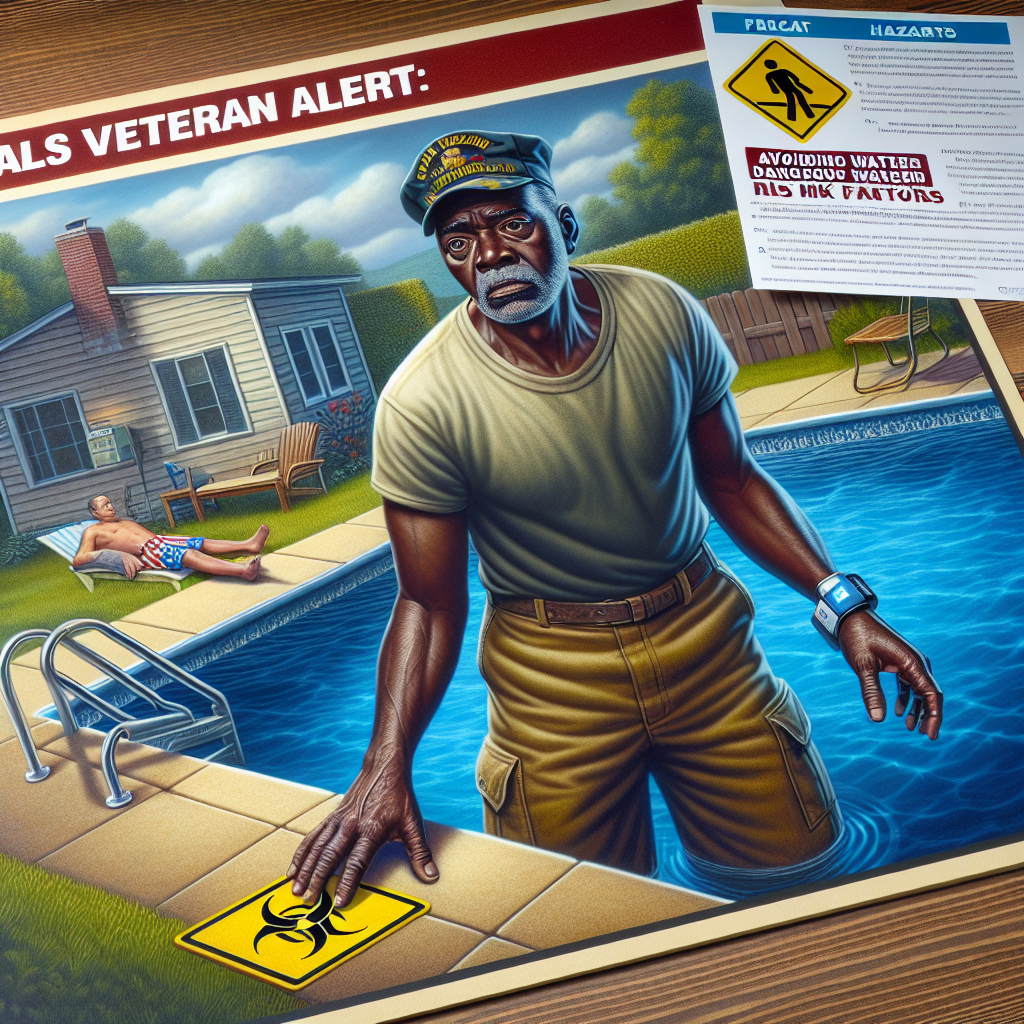
ALS Veterans Alert: Understanding and Avoiding Dangerous Water Risk Factors
ALS Veterans at Risk: What You Need to Know
Amyotrophic lateral sclerosis (ALS), often known as Lou Gehrig’s disease, is a progressive neurodegenerative disorder affecting nerve cells in the brain and spinal cord. Veterans show a higher incidence of ALS compared to the general population, making awareness of potential risk factors vital. One unexpected risk factor involves contaminated water sources, which have garnered attention for their potential link to this debilitating disease.
Understanding ALS in Veterans
ALS is characterized by the gradual degeneration of motor neurons, leading to muscle weakening, paralysis, and eventually death. While the exact cause of ALS remains uncertain, research indicates that military veterans are nearly twice as likely to develop ALS compared to civilians. The reasons behind this heightened risk are not entirely clear, but theories include environmental exposures, physical exertion, or stress during service.
The Link Between ALS and Water Consumption
One of the intriguing areas of research pertains to water consumption and its potential impact on ALS. Studies have suggested that veterans exposed to certain hazardous materials during military service might face increased risk if their water supply is contaminated. Harmful substances such as heavy metals, industrial solvents, and various toxins may leach into water supplies, creating a cocktail of potential hazards.
Risk Factors Associated with Contaminated Water
Heavy Metals: Metals like lead, mercury, and arsenic can be harmful when ingested over time. These contaminants can infiltrate water systems through industrial waste or aging infrastructure. Veterans assigned to specific military bases or deployed in regions with inadequate water purification systems might encounter such risks.
Industrial Chemicals: Solvents and chemicals used for cleaning and maintenance in military facilities may seep into water supplies. Long-term exposure to such pollutants has been linked to neurological issues, including symptoms associated with ALS.
Microbial Contamination: Poorly maintained water systems can become breeding grounds for harmful bacteria and parasites. Exposure to these microorganisms can lead to infections that compromise overall health, potentially exacerbating conditions like ALS.
Avoiding Dangerous Water Risk Factors
Choosing Safe Water Sources
Ensuring access to clean, safe water is paramount for veterans, particularly those concerned about ALS risk. Filtered or bottled water, certified as free from harmful contaminants, can be a safer alternative to tap water in areas with known contamination issues. Regular testing of private wells or local water sources can also help detect and mitigate risks.
Understanding Exposure History
Veterans worried about potential exposure during their service should investigate their personal and environmental history. Learning about the specific bases or regions they were stationed in, and any known past contamination events, might offer valuable insights into their exposure levels.
Getting Informed and Taking Action
Educational Resources for Veterans
Knowledge is a powerful tool. Accessing educational materials on ALS and its associated risk factors can empower veterans and their families to make informed health care choices. Veteran-focused health organizations often provide useful resources and support systems tailored to this unique community.
Collaborating with Health Care Providers
Regular consultations with health care professionals can help monitor symptoms and manage health proactively. Veterans should discuss any concerns related to ALS or suspected environmental exposures during these appointments, enabling a more comprehensive health overview and management plan.
Connecting with Fellow Veterans
Sharing experiences and resources with fellow veterans can be both enlightening and comforting. Support groups and community organizations play a crucial role by offering emotional support, updates on new research, and practical advice on managing health risks.
Contributing to Research and Advocacy
Participating in Research Studies
Veterans can contribute to the understanding of ALS by participating in research studies. These studies often explore the complex interplay between genetics, environment, and ALS, potentially unveiling new prevention and treatment strategies. Active participation can accelerate advancements in this field, benefiting future generations of veterans.
Advocating for Safer Environments
Veterans can also contribute by advocating for policies that promote safer and healthier environments. By raising awareness and pressing for improvements in water safety standards and infrastructure, they can help reduce risk factors associated with water contamination.
Conclusion: Taking Proactive Steps
The intertwined relationship between ALS risk factors and veterans’ unique experiences calls for informed and proactive measures. By understanding the potential dangers associated with contaminated water and other environmental exposures, veterans can better protect their health. Pursuing safer water sources, staying informed, and engaging with supportive communities are crucial steps.
For personalized assistance related to ALS and potentially affected water sources, veterans are encouraged to contact professionals via the links at “/contact”. Additional insights can be found on the blog page at “/blog”, or by calling 702-385-6000 for direct support.