ALS Workplace: Building a Supportive Environment
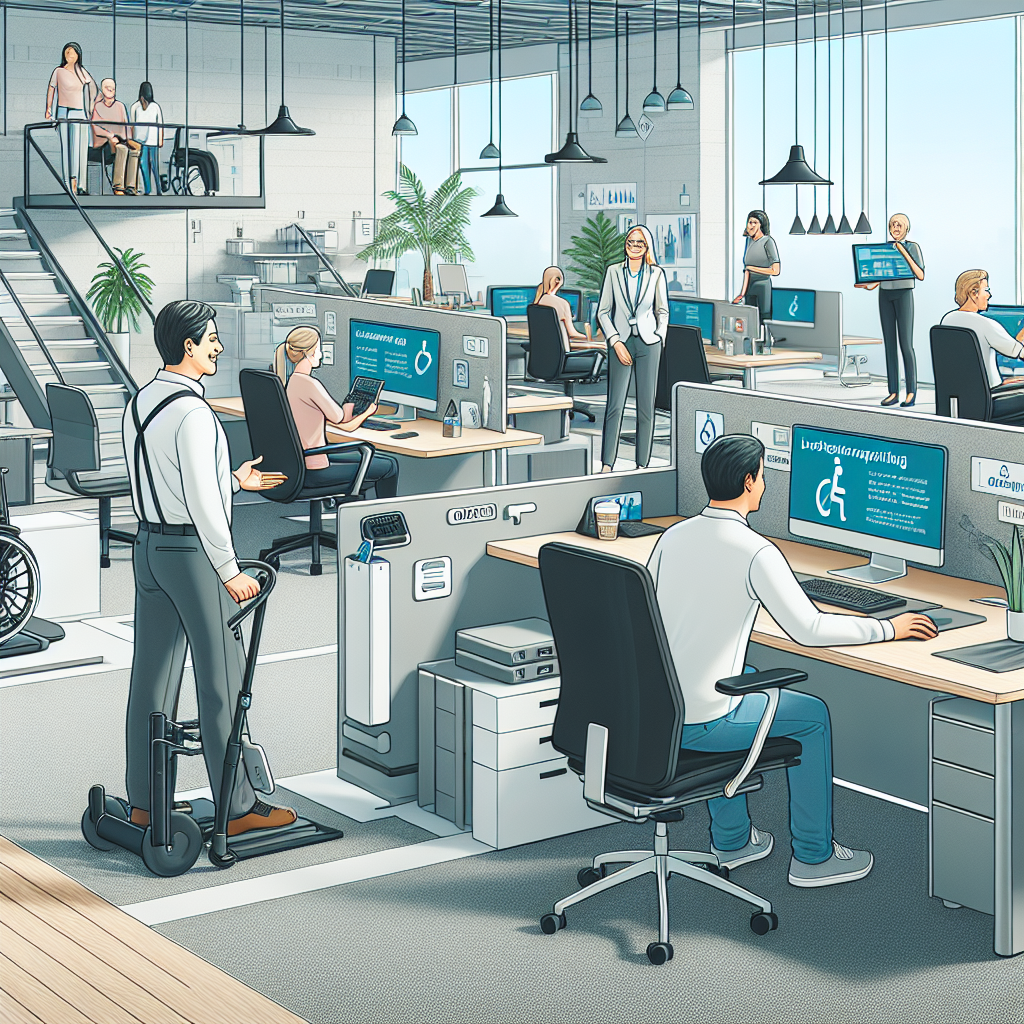
Creating an inclusive ALS workplace is crucial for ensuring that individuals with amyotrophic lateral sclerosis (ALS) are able to thrive and contribute meaningfully to their professional environments. ALS is a progressive neurodegenerative disease that affects the nerve cells in the brain and spinal cord, leading to muscle weakness and atrophy. As the disease progresses, it can significantly impact a person’s mobility and communication, making thoughtful workplace accommodations essential.
Understanding ALS and Its Impact on the Workplace
ALS often requires employers to rethink standard office settings to cater to unique needs. The disease’s progression varies greatly among individuals, with some experiencing rapid degeneration while others progress more slowly. This variability makes it necessary for employers and colleagues to understand the personal nature of the disease and create individualized plans for each affected employee.
Creating a Physical Set-Up
When it comes to physical accommodations, the workspace must be adaptable to ensure comfort and accessibility. For employees dealing with mobility challenges, ensuring that their desk is at an appropriate height for wheelchair access and that there are no physical barriers can make a big difference. Installing ramps, automatic doors, and adjustable furniture is also recommended.
Technological Aids for Communication
For many individuals with ALS, communication becomes challenging over time. This is where technology can play a vital role. Speech-generating devices and software that allow eye-tracking to control a computer can be crucial. Equipping the ALS workplace with such aids not only empowers the employee but also fosters a more inclusive atmosphere.
Flexible Work Schedules and Remote Working
Employee wellness is significantly enhanced by offering flexible work schedules. Individuals with ALS may face fatigue more readily than others, making traditional 9-to-5 hours difficult. Offering options for remote work can alleviate some of this burden. By focusing on output rather than strict adherence to traditional schedules, employers can promote a more inclusive and supportive workplace.
Legal Framework for ALS Workplace Accommodations
Understanding ADA Guidelines
The Americans with Disabilities Act (ADA) mandates that employers provide reasonable accommodations to qualified individuals with disabilities. In the context of ALS, this means that workplaces must be proactive in identifying barriers and implementing solutions. Having a well-informed HR department or legal advisor can ensure that accommodations align with legal requirements while serving the employee’s unique needs.
Examples of Reasonable Accommodations
Reasonable accommodations might include modifying work tools or equipment, adjusting work tasks, or providing additional training to help employees adapt. Regularly reviewing and updating these accommodations ensures that they continue to meet the evolving needs of the employee.
The Importance of Awareness and Training
Raising Awareness Among Colleagues
Building an ALS workplace isn’t just about physical changes—it’s about fostering a culture of acceptance and understanding. Conducting workshops and training sessions on ALS can help demystify the disease and promote empathy among coworkers. Understanding the varying impact of ALS can encourage colleagues to offer support and create a more cohesive team dynamic.
Importance of Empathy Training
Empathy training is a powerful tool that can create a more respectful work atmosphere. When employees understand the potential challenges their coworkers face, they are more likely to offer assistance and adapt interpersonal interactions to be more supportive.
Psychological and Emotional Support
Offering Emotional Support Outlets
Managing a progressive disease while maintaining professional responsibilities can be emotionally taxing. Offering access to counseling services or support groups within the workplace can provide vital emotional support to employees with ALS. Having a safe space to express concerns and receive encouragement is invaluable.
Role of Management in Providing Support
Management plays a crucial role in setting the tone for an inclusive ALS workplace. By leading with compassion and understanding, leaders can foster an environment where all employees feel valued and supported. Regular check-ins with the affected employee can ensure they feel heard and their needs are adequately addressed.
Continuous Feedback and Improvement
Creating a truly inclusive ALS workplace requires ongoing evaluation and adaptation. Regularly soliciting feedback from the affected employee and their coworkers can provide insight into what is working and what needs adjustment. It’s crucial to remain flexible and willing to adapt strategies as needs evolve.
Final Thoughts
Creating an ALS workplace environment that truly supports its employees involves a multi-faceted approach that combines physical adaptations, technological aids, flexible work arrangements, and a nurturing culture. The key is not only meeting legal obligations but actively fostering an atmosphere of understanding and support.
If you or someone you know requires assistance or legal consultation regarding ALS and workplace accommodations, don’t hesitate to reach out. Visit our contact page, explore more resources via our blog, or give us a call at 702-385-6000 to start the conversation about fostering a more inclusive and thoughtful work environment.