Blue-Green Algae: Understanding the Effortless ALS Danger Protection
Blue-green algae, known scientifically as cyanobacteria, have been making headlines due to their potential health risks. These microorganisms, found in water bodies worldwide, can produce toxins linked to a variety of health issues, including neurodegenerative diseases like Amyotrophic Lateral Sclerosis (ALS). Understanding the connection between blue-green algae and ALS is crucial as communities strive to protect themselves from potential dangers.
What Are Blue-Green Algae?
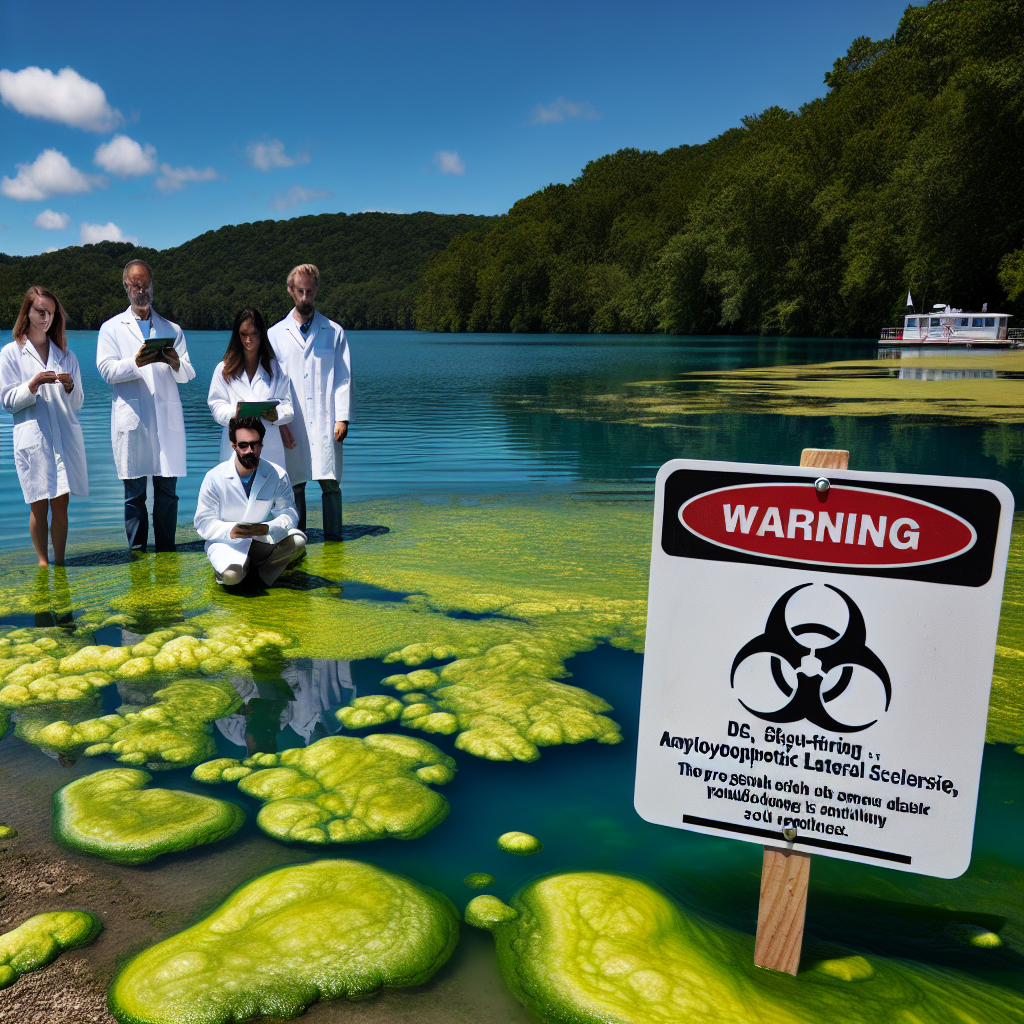
Blue-green algae are microscopic organisms that thrive in both fresh and saltwater. They are essential to the ecosystem, serving as a primary producer and forming the base of the aquatic food chain. However, under certain conditions, these algae can multiply rapidly, leading to harmful algal blooms (HABs).
The Dangers of Harmful Algal Blooms
When blue-green algae populations explode, they can produce toxins harmful to humans and animals. These blooms often appear as green scums on water surfaces and can release toxins into the water and air, posing significant health risks.
Potential Health Impacts
Exposure to blue-green algae toxins can cause a range of health issues. Short-term effects may include skin rashes, respiratory distress, and gastrointestinal issues. Long-term exposure has been linked to more severe conditions, including liver damage and neurological disorders.
Exploring the Connection Between Blue-Green Algae and ALS Danger
The link between blue-green algae and ALS danger has attracted significant attention from researchers. ALS is a devastating neurodegenerative disease that affects nerve cells in the brain and spinal cord, leading to muscle weakness and paralysis.
The Role of BMAA
Beta-Methylamino-L-alanine (BMAA) is a toxin produced by blue-green algae and is believed to be a potential factor in ALS development. BMAA can accumulate over time in brain tissues, potentially triggering the onset of neurodegenerative conditions in susceptible individuals.
Studies Linking BMAA to ALS
Research studies have shown a correlation between high BMAA levels and increased ALS incidence in certain regions. A study conducted in Guam, where residents consumed flying foxes that fed on cycad seeds containing BMAA, demonstrated a high prevalence of ALS. This finding has sparked further investigations into the role of BMAA exposure in ALS cases worldwide.
Evolving Protection Strategies Against Blue-Green Algae Risks
Given the potential health risks posed by blue-green algae, communities and governments are taking proactive steps to safeguard public health.
Monitoring Water Bodies
Regular monitoring of water bodies for blue-green algae is crucial. Advanced technologies, such as satellite imaging and autonomous sensing devices, are employed to predict and detect harmful algal blooms, enabling timely interventions.
Public Awareness Campaigns
Raising public awareness about the dangers of blue-green algae is a key component of protection strategies. Educational campaigns focus on teaching communities how to identify and avoid contact with algal blooms.
Water Treatment Innovations
Innovations in water treatment aim to remove blue-green algae toxins. Techniques such as activated carbon filtration and ozonation are proving effective in eliminating these harmful substances from drinking water supplies.
Personal Measures to Minimize Exposure
Individual efforts play a vital role in reducing exposure to blue-green algae and the associated ALS danger.
Safe Recreational Practices
Avoid swimming or engaging in water sports in areas with visible algal blooms. Boating activities should be conducted with caution, especially in waters known for frequent algal outbreaks.
Ensuring Safe Drinking Water
Ensure water from private wells is tested regularly, especially if located near water bodies prone to algal blooms. Using certified water filters equipped to remove blue-green algae toxins can provide additional protection.
Staying Informed
Stay informed about local water quality conditions. Many health departments provide updates on harmful algal blooms and issue advisories to help protect residents.
Conclusion: Seeking Further Advice and Staying Proactive
In light of the potential link between blue-green algae and ALS danger, it is essential to adopt preventive measures. Through regular monitoring, public awareness programs, and innovative water treatment solutions, communities can create layers of protection against these environmental threats.
For those concerned about potential exposure or seeking further information, visiting the contact page is recommended. You can also explore more articles on the blog page. If immediate assistance is needed, please call 702-385-6000 for further guidance and support.
References
1. Centers for Disease Control and Prevention: Harmful Algal Blooms
2. National Institutes of Health: Neurodegenerative Disorders and Environmental Factors
3. World Health Organization: Algal Toxins and Drinking Water
4. Guam Neurodegenerative Disease Study: BMAA in ALS and Parkinsonism-Dementia
5. Environmental Protection Agency: Harmful Algal Blooms Guide