Blue-Green Algae: Understanding the ALS Danger Alert
Blue-green algae, often mistaken for plants, are actually bacteria. Known as cyanobacteria, these microorganisms thrive in water bodies, posing significant health threats to humans and animals. One particularly grave concern is their link to neurodegenerative diseases such as amyotrophic lateral sclerosis (ALS). This article delves into the complexities of blue-green algae, exploring their connection to ALS, preventive measures, and necessary safety protocols.
What Are Blue-Green Algae?
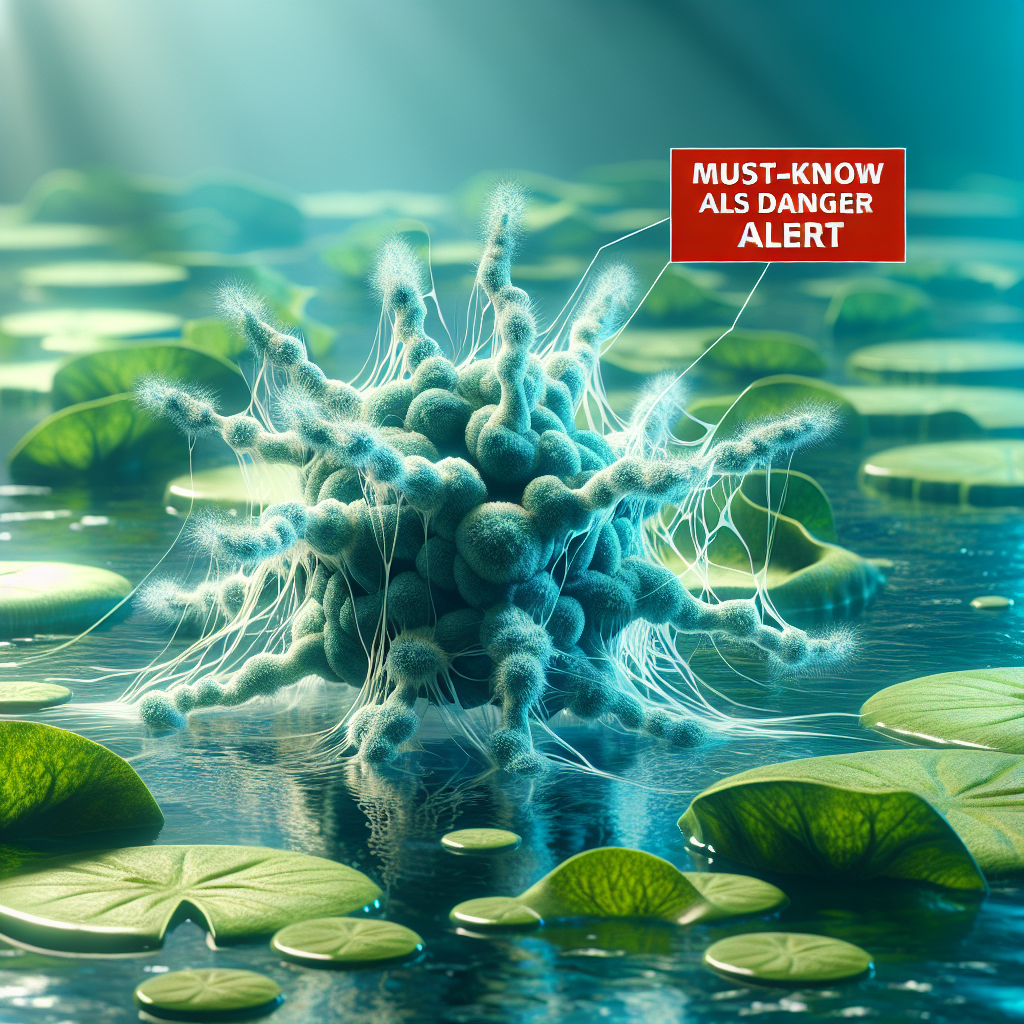
Blue-green algae are photosynthetic bacteria found in both freshwater and marine environments. They can create blooms that color the water in shades of green, blue, or red. These blooms flourish in nutrient-rich conditions, primarily due to agricultural runoff, wastewater discharge, and climate change.
Blue-Green Algae: The Hidden Toxins
Despite their ecological role, these blooms can produce potent toxins, posing significant risks to human and animal health. Cyanotoxins impact liver function, skin, and the nervous system. They are microscopic yet capable of causing severe health consequences.
Health Impacts of Cyanotoxins
– Liver Damage: Cyanotoxins like microcystins are notorious for causing liver damage, even at low exposure levels. They can lead to severe illnesses over time.
– Neurological Effects: Certain cyanotoxins are neurotoxic, posing risks of nervous system disorders.
– Allergic Reactions: Skin contact with contaminated water often results in rashes and irritation, reflecting the immediate effects of these toxins.
ALS Danger: The Connection to Blue-Green Algae
Researchers have investigated the correlation between blue-green algae and ALS, shedding light on the potential dangers. ALS, a progressive neurodegenerative disease, affects nerve cells in the brain and spinal cord, leading to muscle weakness and eventually, paralysis.
Scientific Investigations
A study conducted by the Dartmouth researchers identified an amino acid called BMAA (beta-N-methylamino-L-alanine), produced by cyanobacteria, that is linked to ALS. BMAA accumulates in the food chain and can result in neurodegeneration when consumed.
Evidences Across the Globe
Observations from Guam and other regions showed high ALS occurrences in populations consuming BMAA-contaminated foods. This discovery underscores the necessity for awareness and preventive approaches.
Preventive Measures and Safety Protocols
Preventing exposure to cyanobacteria should be a public health priority, particularly for communities near affected water bodies. Here are essential steps to consider:
Monitoring and Managing Water Quality
– Regular Testing: Authorities should frequently test water bodies, especially those used for recreational or drinking purposes, to ensure safety standards.
– Public Warnings: Government agencies need to issue alerts when cyanobacteria blooms occur, advising against water contact and consumption.
Personal Safety Recommendations
– Avoiding Contaminated Waters: Individuals should steer clear of water bodies with visible algae blooms.
– Consuming Safe Seafood: Limit the intake of seafood from potentially affected areas, as these could be contaminated.
– Home Filtration Systems: Install filters capable of removing cyanotoxins to enhance tap water safety.
Blue-Green Algae Blooms and Environmental Impact
The environmental ramifications extend beyond health concerns. These blooms disrupt aquatic ecosystems by depleting oxygen, causing fish kills, and impacting biodiversity.
Ecological Balance and Restoration Efforts
– Reducing Nutrient Pollution: Implementing agricultural practices that minimize runoff can help control blooms.
– Wetland Restoration: Restoring wetlands serves as a natural buffer, filtering pollutants before they reach larger water bodies.
Global Regulations and Future Research
Addressing this issue requires coordinated global efforts, along with ongoing research. Various countries have established regulations to monitor and manage blue-green algae proliferation. Collaboration between scientific communities and governments can drive progress in understanding and mitigating ALS dangers linked to cyanobacteria.
Advancements in Research
Recent advancements in analytical techniques offer deeper insights into BMAA distribution and its biological impact. Continued research aims to unravel causative links more explicitly, potentially leading to breakthroughs in ALS prevention.
Community Engagement and Education
Raising community awareness about the dangers posed by cyanobacteria is crucial. Education programs can teach individuals how to identify and avoid potentially hazardous conditions, empowering them to make informed choices.
Useful Practices for Communities
– Workshops and Seminars: Organize events to disseminate information on safe practices and preventive strategies.
– School Programs: Introduce educational content about environmental health and the significance of protecting water sources.
Conclusion
The threat of blue-green algae extends beyond ecological disruption, reaching into the realm of serious human health risks. The evidence linking cyanobacteria to ALS underscores the importance of awareness, preventive actions, and research. By educating communities, monitoring water quality, and enacting effective regulations, we can mitigate these risks.
For those concerned about the potential health effects related to blue-green algae and ALS, it’s vital to remain informed. If you have questions or need assistance regarding your situation, please visit our contact page. You can also explore more informative articles available on our blog page or reach out directly by calling 702-385-6000.