Blue-Green Algae: The Shocking ALS Danger in Cities
Blue-green algae, scientifically known as cyanobacteria, are microorganisms found in freshwater ecosystems. Despite their natural occurrence, they pose a significant health threat, particularly linked to Amyotrophic Lateral Sclerosis (ALS), a progressive neurodegenerative disease. This article explores the surprising connection between urban blue-green algae blooms and the heightened risk of ALS, offering vital insights into prevention and awareness.
Understanding Blue-Green Algae
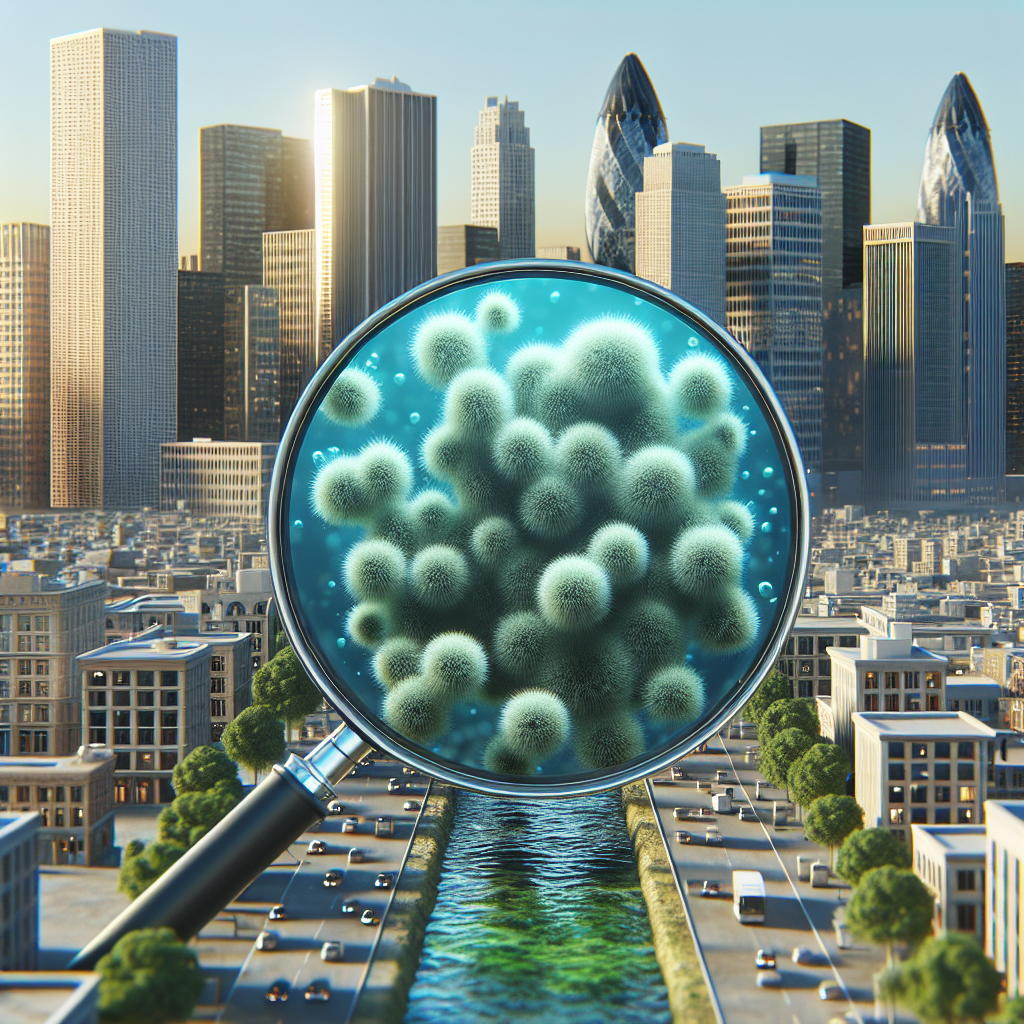
Blue-green algae thrive in warm, nutrient-rich waters, multiplying rapidly under favorable conditions. During such blooms, toxins harmful to humans and wildlife are released. These toxins, including microcystins, anatoxins, and cylindrospermopsins, affect organs and neurological functions, leading to severe health consequences.
Urban Areas and Blue-Green Algae Blooms
Cities provide an ideal environment for blue-green algae proliferation due to the increased presence of pollutants and runoffs from agriculture and urban waste. Factors contributing to the growth include:
– Runoff from fertilizers: High phosphorus and nitrogen levels in bodies of water create fertile ground for algae.
– Wastewater discharge: Ineffective sewage treatment can introduce organic matter that nourishes algae.
– Climate change effects: Rising temperatures and prolonged sunlight enhance bloom conditions.
While algae are a natural component of freshwater systems, their overgrowth within urban settings poses a significant health risk, evident in the alarming connection to ALS.
The Link Between Blue-Green Algae and ALS
What is ALS?
Amyotrophic Lateral Sclerosis (ALS), also known as Lou Gehrig’s disease, is characterized by the degeneration of motor neurons in the brain and spinal cord. This leads to muscle weakness, paralysis, and eventually death. The exact cause remains uncertain, but environmental factors, including exposure to blue-green algae toxins, are under rigorous investigation.
Scientific Evidence of ALS Danger from Blue-Green Algae
Numerous studies have begun to unravel the potential link between these algae and ALS. Central to this research is the discovery of BMAA (beta-N-methylamino-L-alanine), a neurotoxic amino acid produced by cyanobacteria. Key findings include:
– BMAA Accumulation: Studies show this neurotoxin accumulates in aquatic food chains, potentially reaching humans through contaminated water and seafood (Cox et al., 2009).
– Geographic Correlation: Regions with frequent algae blooms report higher rates of ALS, indicating environmental exposure as a risk factor (Caller et al., 2009).
– Multiple Sclerosis and Alzheimer’s Research: Some researchers propose a broader link between neurodegenerative diseases and cyanobacteria, emphasizing the need for caution (Murch et al., 2004).
Preventing Blue-Green Algae Exposure
Steps for Cities and Individuals
Mitigating the ALS danger associated with blue-green algae requires concerted efforts from governments, communities, and individuals:
Urban Management Practices
– Improved Water Treatment: Enhance facility standards to effectively remove algae toxins during the treatment process.
– Regulating Fertilizer Use: Implement stringent rules on fertilizer application near water bodies to reduce runoff.
– Constructed Wetlands: Utilize natural filtration systems to prevent nutrient-rich runoffs from entering water bodies.
Individual Precautions
– Stay Informed: Check local advisories for public water warnings, especially during peak summer months.
– Use Safe Sources: Avoid drinking or swimming in water with visible algae accumulation.
– Dietary Consideration: Limit consumption of seafood from affected areas.
Raising Awareness and Investing in Research
Public health education is crucial for increasing awareness of algae-related risks. Moreover, ongoing investment in scientific research is essential for understanding and counteracting the ALS danger linked to these organisms.
What the Future Holds
As urbanization and climate change continue to exacerbate blue-green algae proliferation, understanding its health ramifications becomes increasingly vital. Proactive pollution management, coupled with global cooperation in research efforts, can help mitigate the risks and protect public health.
Conclusion
Blue-green algae represent a shocking ALS danger in cities, highlighting an urgent need for increased awareness and action. Understanding the correlation between these blooms and neurodegenerative conditions is central to safeguarding communities. For those concerned about potential exposure to algae and its associated risks, taking preventive steps and staying informed are essential steps forward.
For further information, reach out about your ALS and Real Water case through our contact page. Explore more related content on our blog page. Need immediate assistance? Call us at 702-385-6000.
References
– Cox, P. A., Banack, S. A., & Murch, S. J. (2009). Biomagnification of cyanobacterial neurotoxins and neurodegenerative disease among the Chamorro people of Guam. Proceedings of the National Academy of Sciences.
– Caller, T. A., et al. (2009). A Cluster of Amyotrophic Lateral Sclerosis in New Hampshire: A Possible Role for Toxic Cyanobacteria Blooms in Freshwater Lakes. Amyotrophic Lateral Sclerosis.
– Murch, S. J., et al. (2004). Occurrence of β-Methylamino-L-alanine (BMAA) in ALS/PDC Patients from Guam. Acta Neurologica Scandinavica.