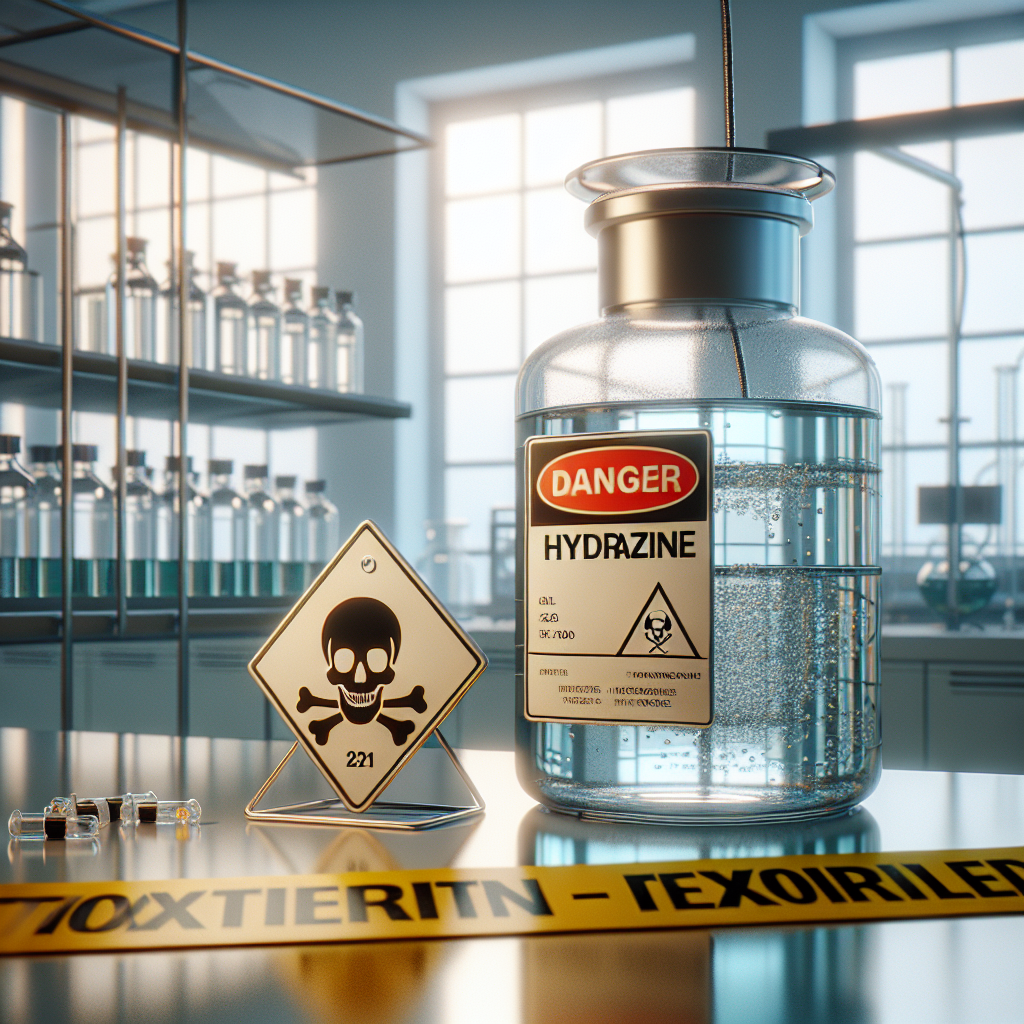
Hydrazine Dangers: Understanding the Toxicity Threats
Hydrazine dangers present a significant challenge to public health and safety, given this chemical’s widespread use in industrial applications. The compound, composed of nitrogen and hydrogen, is not just a critical component in rocket fuels and industrial processes; it also poses serious risks to human health and the environment. This article delves into the hazards associated with hydrazine, exploring its toxicity, impacts, and the need for caution.
What is Hydrazine?
Hydrazine is a colorless, flammable liquid with an ammonia-like odor. Though useful in numerous sectors, it is classified as a hazardous substance, primarily due to its explosive and toxic properties. Industries utilize hydrazine for the production of pharmaceuticals, agricultural chemicals, and as a propellant in rocket engines. Despite its utility, hydrazine’s toxic nature demands strict handling and safety protocols.
The Toxicity of Hydrazine
Understanding the toxicity of hydrazine requires examining how it affects living organisms. Hydrazine can impact health through inhalation, ingestion, or skin absorption. Once inside the body, it interacts with cells and tissues, causing a range of harmful effects.
Acute Toxicity
The immediate effects of exposure to hydrazine include irritation of the eyes, nose, and throat. Skin contact can lead to rashes, burns, and even severe dermatitis. Inhalation of vapors can result in respiratory distress, pulmonary edema, and, in severe cases, damage to the liver and kidneys. The acute effects highlight the critical need for protective gear and proper ventilation in environments where hydrazine is present.
Chronic Toxicity
Long-term exposure to hydrazine is particularly concerning. Research has linked prolonged contact with this chemical to an increased risk of cancer. Occupational studies have noted instances of lung, nasal, and liver cancers among workers routinely handling hydrazine. The International Agency for Research on Cancer (IARC) classifies hydrazine as a probable human carcinogen based on sufficient evidence from animal studies and limited evidence from human studies.
Environmental Impact
Hydrazine dangers are not limited to human health. The chemical poses significant risks to the environment as well. Once released, hydrazine can persist in the air, water, and soil, affecting aquatic and terrestrial ecosystems. It is highly toxic to aquatic life, jeopardizing fish and other organisms by disrupting biological processes essential for survival.
Regulatory Measures and Safety Protocols
Given hydrazine’s considerable dangers, numerous regulatory measures have been instituted to mitigate risks. Agencies like the Environmental Protection Agency (EPA) and the Occupational Safety and Health Administration (OSHA) have established guidelines and exposure limits to protect workers and the public.
Workplace Safety
Industries that work with hydrazine must adhere to strict safety protocols. Personal protective equipment (PPE) such as gloves, masks, and eye protection is essential. Ensuring proper ventilation and using appropriate storage containers minimize the risk of accidental exposure.
Emergency Response and Disposal
In the event of a spill or leak, immediate action is required to contain and neutralize the substance. Emergency response teams trained in handling hazardous materials must be consulted. Moreover, hydrazine waste must be disposed of following specific hazardous waste regulations to prevent environmental contamination.
Public Awareness and Education
To effectively address hydrazine dangers, public awareness and education are crucial. Informative campaigns can help industries, communities, and individuals understand the risks associated with this compound. Training programs for workers and first responders are vital to ensure that proper procedures are followed during handling and in the event of an emergency.
Alternatives to Hydrazine
The search for safer alternatives to hydrazine is ongoing. Some industries have begun exploring less hazardous substances for their processes. Innovations in green chemistry offer potential solutions, promoting the development of chemicals that fulfill industrial needs without compromising safety and environmental health.
Conclusion
Hydrazine remains an indispensable yet hazardous substance. Understanding its toxicity is essential for minimizing risks associated with its use. Industries must continue to uphold stringent safety standards, while ongoing research and education help in reducing potential hazards. Ultimately, balancing the benefits and dangers of hydrazine relies on informed decision-making and responsible practices.
For more information, resources like EPA’s Hydrazine Safety Guide and OSHA’s Chemical Safety Standards provide valuable insights.
If you have concerns about hydrazine exposure or related issues, we invite you to reach out regarding your ALS and Real Water case by visiting our contact page, exploring more articles on our blog page, or by calling 702-385-6000.