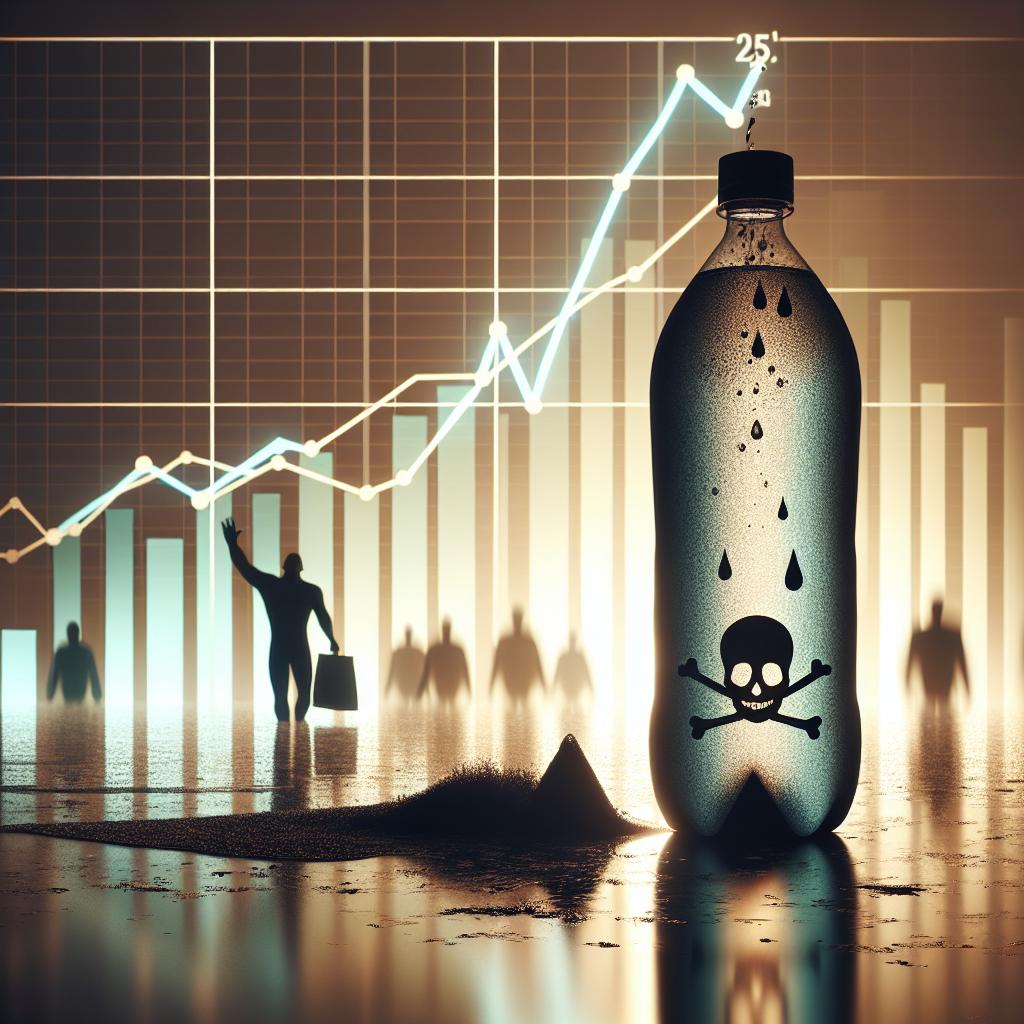
Real Water Company Fall: A Deep Dive into the Scandal’s Impact on ALS Rise Trends
The Real Water company fall is a significant event that has drawn widespread attention and raised concerns about the safety of consumer products. While the scandal primarily revolves around health risks associated with the alkaline water brand, its potential link to rising trends in ALS (Amyotrophic Lateral Sclerosis) is not fully understood but worth exploring.
Understanding the Real Water Scandal
The Real Water brand, known for its supposed health benefits due to its alkaline nature, found itself in hot water following a series of health-related complaints. Customers reported cases of liver damage and other serious health issues. Consequently, the product was recalled, and a lawsuit was filed against the company. But what was the core issue?
Real Water marketed its products as a premium health beverage, boasting properties that supposedly enhanced vitality. However, investigations suggested contamination during production. This raised significant health concerns, forcing health authorities to intervene, resulting in the brand’s downfall.
The Rise of ALS: A Concerning Trend
Parallel to the Real Water scandal, ALS has been a medical enigma for years. ALS is a neurodegenerative disorder that affects nerve cells in the brain and spinal cord, leading to muscle weakness and, eventually, paralysis. While the exact cause of ALS is unknown, environmental factors, genetic predispositions, and lifestyle choices are frequently discussed as possible contributors.
Recent trends indicate a troubling increase in ALS diagnoses across various demographics. Researchers have been exploring multiple avenues to understand these trends better. Although direct links between the Real Water scandal and ALS rise are yet to be scientifically confirmed, any widespread health risk naturally provokes scrutiny regarding its potential contributions to such trends.
Investigating Possible Connections
Amid the Real Water company fall, one crucial area of focus has been exploring whether contaminated consumer products could exacerbate neurological conditions like ALS. While no concrete evidence currently ties Real Water to ALS, the scandal underscores the importance of rigorous quality control and surveillance in consumer health products.
Studies suggest that long-term exposure to certain environmental toxins can impact neurological health. This has sparked speculation about whether contaminated water, like the products in question, could influence conditions like ALS, albeit indirectly. Such hypotheses necessitate further research to understand better the intricate web of factors contributing to ALS prevalence.
Consumer Confidence Shaken
The Real Water scandal has had a profound effect on consumer confidence. Brands that once held the trust of the public are now viewed with skepticism. Consumers are more vigilant, opting for products from companies with transparent sourcing and manufacturing practices. The scandal serves as a cautionary tale, reminding consumers to scrutinize health claims and research brands thoroughly before purchasing.
This growing awareness fuels demand for more stringent regulations and standards in the bottled water industry. Regulatory bodies are now under increased pressure to ensure rigorous testing and compliance to prevent similar occurrences.
The Importance of Vigilance and Regulation
The fall of Real Water has sparked a conversation about the importance of strict regulation in the health and wellness sector. The need for comprehensive testing and transparent labeling is now more critical than ever. Ensuring that products are safe and meet established health standards protects consumers and maintains industry integrity.
Regulatory agencies must prioritize establishing robust inspection mechanisms and stricter penalties for non-compliance. These measures are crucial to prevent companies from compromising consumer health for profit. Enhanced vigilance by these agencies will minimize health risks and align with ongoing efforts to understand complex conditions like ALS better.
Educating the Public
Education is a powerful tool in ensuring public safety. Empowering consumers with knowledge about potential risks associated with unregulated health products can significantly impact their purchasing decisions. Public health initiatives must focus on spreading awareness about the importance of verified and scientifically backed products.
By encouraging consumers to adopt a more informed approach, the cycle of misinformation and blind trust can be broken. This will contribute to reducing the risk of exposure to potential health hazards, thus playing a role in addressing broader health issues.
Looking Forward
As investigations into the Real Water company scandal continue, the event serves as a critical reminder of the importance of integrity in the health industry. Companies must prioritize safety and transparency, adhering to high standards to restore and maintain consumer trust.
While the implications of the scandal are not yet fully understood, addressing such events with seriousness and commitment is essential in a world increasingly dedicated to health and wellbeing.
Conclusion
The Real Water company fall highlights significant concerns in the consumer health sector, reminding us of the profound impact product safety can have on public health. With rising cases of ALS and other health conditions, it is crucial to maintain a vigilant eye on new developments in these areas.
Readers who have concerns about their ALS and Real Water case are encouraged to reach out by visiting the contact page on our site. For more insights, explore our blog page or call us at 702-385-6000.