Real Water Recall: The Startling 2021 Discovery
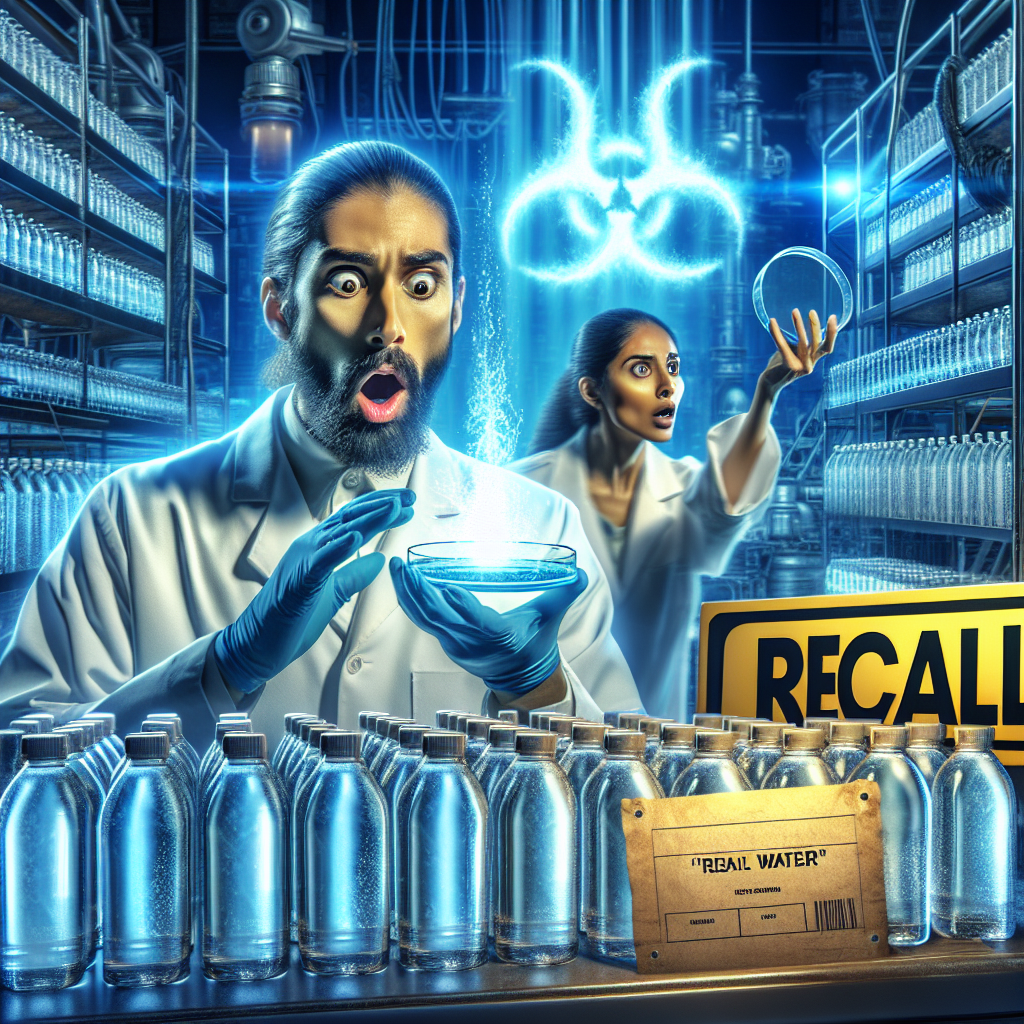
In early 2021, the Real Water recall sent shockwaves through both the health industry and the homes of countless consumers. This seemingly harmless product, labeled as premium bottled water offering health benefits through “E2 technology,” quickly became the center of a major health scare that led to a nationwide recall and intense scrutiny from regulatory agencies. The saga serves as a stark reminder of the responsibilities companies have to their consumers and the potential consequences of negligence.
The Emergence of Real Water
Real Water entered the market with a unique selling proposition — its “alkalized” water was claimed to offer superior hydration and health benefits, ostensibly making it a cut above regular bottled water. The company touted its special process that added stable negative ions, promising improved detoxification and increased energy levels for those who consumed it. These claims attracted a considerable consumer base looking for healthier beverage options.
Red Flags and Health Concerns
However, in 2021, reports began to surface linking Real Water to alarming health concerns. Several consumers reported suffering from acute liver failure, a rare and potentially life-threatening condition. Affected individuals and their families dealt with severe health implications that were initially mysterious and unexplained. As these cases accumulated, a troubling pattern emerged that could no longer be ignored.
Real Water Recall: A National Reaction
With mounting evidence of adverse effects, the Real Water recall was initiated in March 2021, marking a critical turning point. The company pulled its product from store shelves and online distribution channels. The recall highlighted the urgent need for consumers to cease consumption and dispose of any remaining Real Water products to avoid potential health risks.
Investigations and Findings
The U.S. Food and Drug Administration (FDA) swiftly began an investigation into Real Water. Their goal was to identify the connection between the consumption of this bottled water and the outbreak of liver-related illnesses. It was soon discovered that the alkalization process and handling practices might have contributed to the contamination, leading to the tragic side effects experienced by consumers.
The findings were a wake-up call for both the industry and regulatory bodies, prompting calls for stricter enforcement of safety standards and transparency in marketing practices.
Consumer Safety in the Spotlight
The Real Water recall in 2021 ignited a broader discourse on consumer safety and the importance of government oversight in the food and beverage industry. Consumers began questioning the authenticity and safety of products labeled with health-boosting claims. This increased consumer awareness prompted individuals to become more diligent in their investigations into the credibility of health-related products.
Lessons for the Future
There are significant lessons to be gleaned from the Real Water recall. First and foremost, the importance of rigorous testing and quality assurance in food and beverage production cannot be overstated. Companies offering consumable products must adhere to the highest possible standards to ensure their offerings do not pose health risks to consumers.
Additionally, transparency in marketing claims is essential. Companies should hold themselves accountable for the assertions they make about their products, ensuring they are substantiated by scientific evidence. Consumers deserve honesty and clarity about what they are purchasing and ingesting.
The Role of Regulatory Bodies
In the wake of the recall, the role of regulatory bodies like the FDA became even more crucial. Their ability to step in, investigate, and enforce regulations ensures that public health remains a top priority. Moving forward, these agencies must continue to adapt and respond to emerging products and technologies that enter the market, maintaining vigilance to protect consumers.
Real Water’s Response and Attempts at Redemption
Real Water’s initial response to the crisis involved cooperating with authorities, issuing recalls, and addressing public outcry. The company made efforts to regain consumer trust by implementing changes to its processes and promising better safety measures. However, the damage to its reputation was significant, underscoring the long-term impacts that such incidents can have on brand credibility.
Moving Beyond the Crisis
As the Real Water recall fades into history, its legacy persists in the heightened awareness and caution exercised by consumers today. It acts as a cautionary tale for companies in similar industries, emphasizing the potentially devastating consequences of failing to meet safety and ethical standards.
For consumers, the episode is a reminder to stay informed and skeptical of products that seem too good to be true, encouraging them to demand transparency and evidence for bold health claims.
Conclusion
The Real Water recall in 2021 was a significant event that highlighted critical issues within the consumer goods landscape. It called attention to the need for rigorous oversight, factual marketing, and unwavering commitment to consumer safety. As we navigate an increasingly complex market filled with products boasting various health benefits, staying informed and cautious remains essential.
If you have concerns about your experience with Real Water, you can reach out through the contact page at “/contact”, explore more related articles on our blog at “/blog”, or call us directly at 702-385-6000 for assistance.