Recalled Water: Essential Consumer Alert Guide
Recalled water incidents have raised significant consumer warnings and concerns over the years. As consumers, it’s crucial to remain vigilant about the products we consume, especially when they are as fundamental as water. This guide aims to provide essential information about recalled water products, the potential risks they pose, and how to stay informed and safe.
Understanding Water Recalls
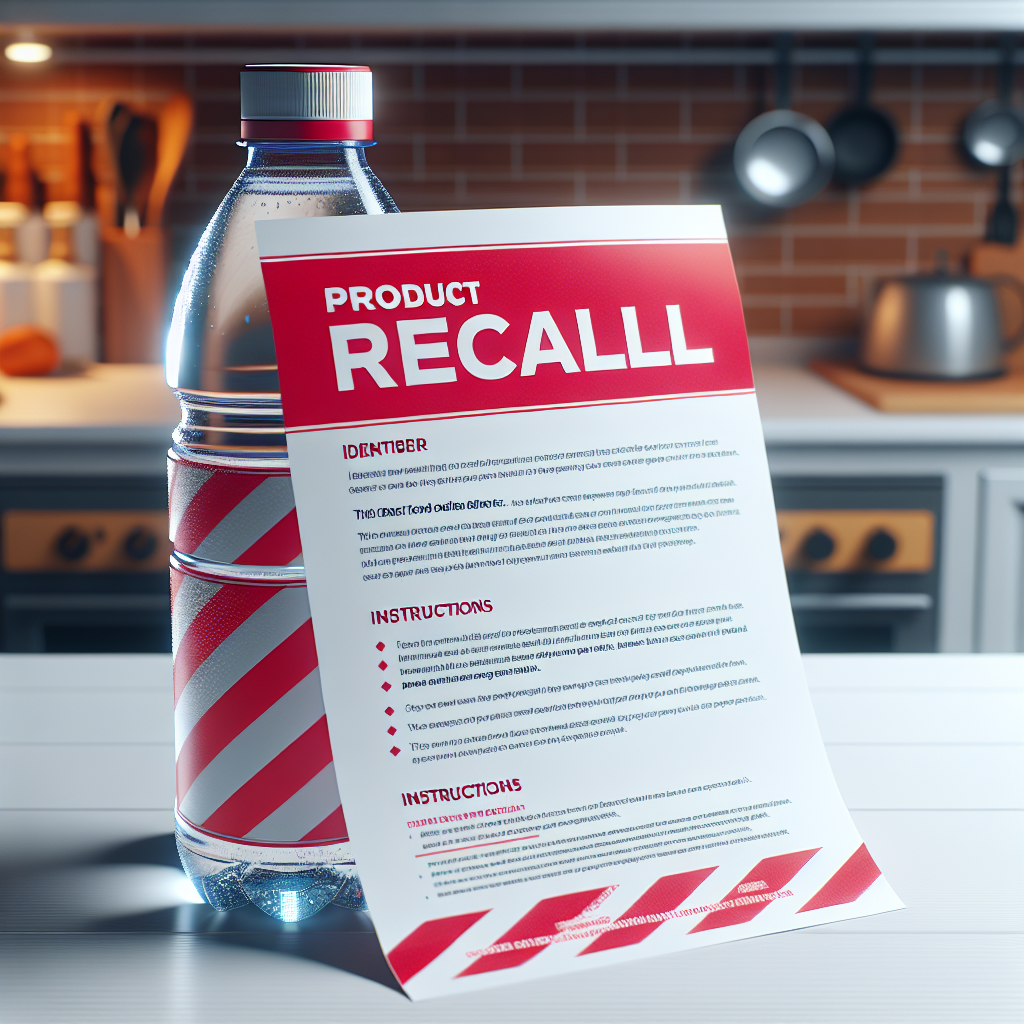
Water recalls occur when a water product is deemed unsafe for consumption due to contamination or other health hazards. These recalls are usually initiated by the manufacturer or government agencies like the FDA or EPA. The primary reasons for recalling water include bacterial contamination, chemical presence, and incorrect labeling or packaging.
Common Causes for Recalled Water
1. Bacterial Contamination: The presence of harmful bacteria such as E. coli can lead to severe health issues, including gastrointestinal distress.
2. Chemical Contaminants: Sometimes, harmful chemicals or heavy metals such as lead or arsenic are found, posing long-term health risks.
3. Packaging Errors: Incorrect labels or compromised packaging can lead to consumption of unsafe water.
4. Manufacturing Defects: Issues in the production process can result in water that is not up to regulatory standards.
Impact of Recalled Water on Health
Consuming recalled water can lead to numerous health issues ranging from mild gastrointestinal disturbances to severe conditions requiring medical intervention. Vulnerable groups such as the elderly, young children, and individuals with weakened immune systems are particularly at risk. Symptoms may include nausea, vomiting, diarrhea, and, in extreme cases, more serious conditions that necessitate immediate medical attention.
Consumer Warnings: Recognizing the Signs
Understanding the signs and symptoms associated with contaminated water is a crucial aspect of consumer warnings. Early recognition can prevent potential health complications. Consumers should be on the lookout for:
– Unusual odor or taste
– Discoloration of water
– Consistent packaging issues
– Public health announcements or recalls
How to Stay Informed
Stay Updated with Alerts: Regularly check government websites, such as the FDA, for updates on water recalls. Many organizations offer subscription services for email alerts regarding product recalls.
Community Bulletins: Local news channels and health departments often relay important recall information. Staying informed through these channels can help individuals respond quickly.
Handling Recalled Water: Steps to Take
When water is recalled, it’s important to know how to handle it safely and responsibly. Here are steps consumers should follow:
1. Stop Consumption Immediately: Do not consume or use the water for cooking or cleaning.
2. Check Packaging: Ensure that the water product matches the specific details of the recalled batch, as outlined in the recall notification.
3. Follow Manufacturer Instructions: Recall announcements typically provide guidance on returning the product for a refund or exchange.
4. Notify Others: Inform family members, friends, and neighbors about the recall to prevent accidental consumption.
Analyzing Past Recalled Water Incidents
Analyzing past incidents can offer insights into common pitfalls and preventative strategies. For example, the Real Water case involved alkaline water linked to a non-viral hepatitis outbreak. This incident highlights the importance of monitoring the sources and quality of alternative water products.
Consumer Warnings: Learning from the Real Water Case
The Real Water recall serves as a critical example of the importance of consumer vigilance. The company faced serious allegations after several individuals fell ill. The case underscores the necessity of thorough background checking of water brands and an awareness of company track records in handling safety and quality controls.
Choosing Safe Water Alternatives
Consumers are encouraged to explore convenient and safe alternatives to mitigate the risks associated with recalled water. Options include:
1. Filtration Systems: Home water filters that are proven to eliminate contaminants can provide peace of mind.
2. Reputable Brands: Purchase from brands with a consistent track record of quality and safety compliance.
3. Regular Testing: Consider private testing of tap and well water, especially in areas with known contamination issues.
Evaluating Filtration Options
When considering filtration systems, look for certifications from relevant authorities such as NSF International. These certifications ensure that the filter meets safety and performance standards.
The Role of Regulatory Bodies
Government agencies play a vital role in protecting consumers by enforcing food and water safety standards. The FDA and the EPA are instrumental in issuing recalls and ensuring compliance. Understanding their guidelines can empower consumers to make informed decisions.
Consumer Warnings: Trusting Regulatory Guidance
Trust in agency recommendations is crucial. These bodies conduct thorough investigations and risk analyses before issuing recalls. Adhering to their guidelines can significantly reduce health risks.
Conclusion: Empowering Consumers
By understanding the nuances of recalled water and responding appropriately to consumer warnings, individuals can safeguard their health and the wellbeing of their loved ones. Staying informed, choosing safe alternatives, and following regulatory guidance are key strategies in mitigating risks associated with recalled water.
For those affected or seeking reassurance, it’s advisable to seek legal advice and support. Our team is here to help. Reach out regarding your ALS and Real Water case by visiting our contact page at “/contact”, explore more informative articles on our blog at “/blog”, or call us directly at 702-385-6000 for immediate assistance.