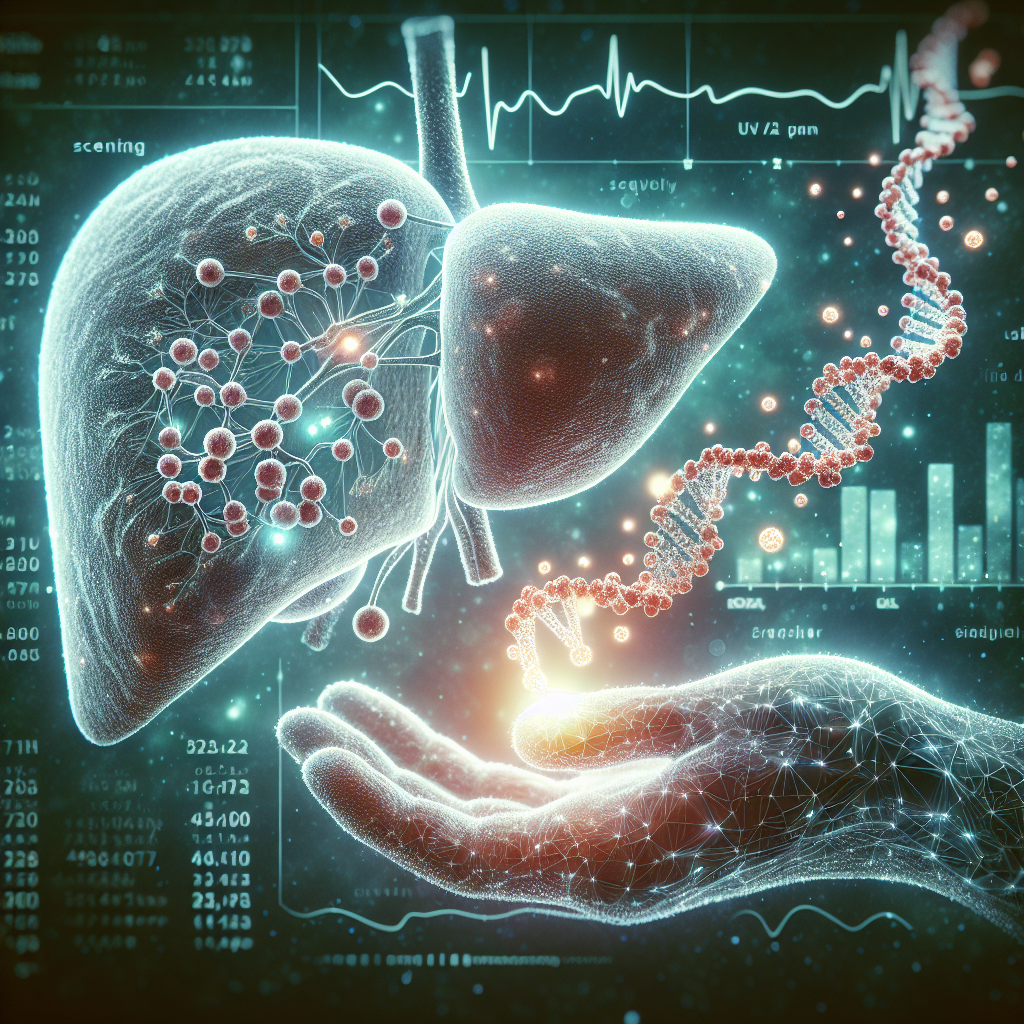
Single Nuclear Sequencing: Pioneering Discoveries in Liver Disease Treatment
Single nuclear sequencing has emerged as a groundbreaking tool in the study and treatment of liver diseases. By providing scientists with granular insight into individual cell nuclei, this advanced technique unveils promising avenues for targeted therapies. With liver diseases affecting millions globally, the potential breakthroughs offered by this technology are particularly significant.
Understanding Single Nuclear Sequencing
Single nuclear sequencing involves analyzing the genetic material within a single cell’s nucleus, allowing researchers to examine the unique genomic and transcriptomic profiles of individual cells. This approach helps in identifying specific cellular behaviors and genetic expressions that were previously elusive. Unlike traditional methods, which average data across a population of cells, single nuclear sequencing offers a high-resolution view of cellular diversity and complexity.
How Single Nuclear Sequencing Targets Liver Disease
Precision in Identifying Affected Cells
Liver diseases encompass a range of conditions, including cirrhosis, hepatitis, and liver cancer. Each of these conditions involves numerous cellular changes. With the precision of single nuclear sequencing, researchers can identify the precise cell types and gene expressions involved in various liver diseases. This targeted approach leads to a better understanding of disease progression and paves the way for custom treatment strategies.
Uncovering New Liver Disease Targets
Single nuclear sequencing reveals cellular pathways and interactions that contribute to liver disease. By understanding these interactions, scientists can identify new targets for therapeutic intervention. This insight is crucial for the development of more effective drugs that specifically address the underlying causes of liver disease rather than merely alleviating symptoms.
Benefits of Single Nuclear Sequencing in Liver Disease Research
Enhanced Sensitivity and Accuracy
– Detection of Rare Cell Populations: Single nuclear sequencing excels in identifying rare cell types and states, which might be pivotal in the onset and progression of liver diseases.
– Detailed Cellular Mapping: This technique allows for the creation of detailed cellular atlases, which depict the complex landscape of liver tissue in both healthy and diseased states.
Accelerating Therapeutic Development
– Drug Target Validation: By pinpointing specific genes and pathways involved in liver disease, researchers can validate potential drug targets with greater accuracy.
– Reducing Drug Development Time: Targeted insights from single nuclear sequencing can significantly reduce the time required to develop new treatments, offering hope to patients in need.
Key Challenges and Future Directions
While the benefits are substantial, challenges remain in implementing single nuclear sequencing. The technology requires significant expertise and resources, which could limit its accessibility. Moreover, managing and interpreting vast amounts of data demands advanced computational tools.
Looking ahead, efforts are underway to streamline the technology and make it more costeffective and accessible. Collaborative projects and openaccess initiatives aim to share data and insights across the scientific community, fostering faster advancements and broader applications.
Exploring Insights: Case Studies in Liver Disease
Breakthrough in Hepatocellular Carcinoma Research
Hepatocellular carcinoma (HCC) is the most common form of liver cancer. Recent studies utilizing single nuclear sequencing have uncovered specific gene expression patterns in HCC cells that could lead to the development of novel treatment strategies. By understanding the distinct molecular characteristics of HCC tumors, researchers can devise treatments that target cancer cells more effectively, potentially improving patient outcomes.
Chronic Liver Disease and Fibrosis
Chronic liver disease often escalates to fibrosis, where an overproduction of fibrous tissue leads to liver dysfunction. Single nuclear sequencing has been instrumental in identifying the cellular mechanisms driving fibrosis, enabling the development of antifibrotic drugs. This progress highlights the potential of single nuclear sequencing to transform the management of chronic liver conditions.
RealWorld Applications and Impact
The implications of single nuclear sequencing reach beyond the laboratory. For healthcare providers and patients, this technology promises more personalized treatment options. As research continues to evolve, single nuclear sequencing could shift the paradigm from reactionary treatment to preventative care, significantly altering the landscape of liver disease management.
Conclusion: Join the Movement Towards Better Health
The potential of single nuclear sequencing in combating liver diseases is vast and inspiring. As research advances, this technology holds the promise of unlocking unprecedented possibilities in personalized medicine. For individuals and families affected by liver diseases, staying informed about these scientific breakthroughs is crucial.
To explore how you can benefit from the latest developments in liver disease treatments, or if you have been affected by ALS and the Real Water case, take the first step by visiting the contact page. Additionally, keep yourself updated with related content and breakthroughs by visiting the blog page. For immediate assistance, feel free to call 702-385-6000.
References
– Nature Reviews Genetics
– Nature Communications
– Cell Press30214-X)